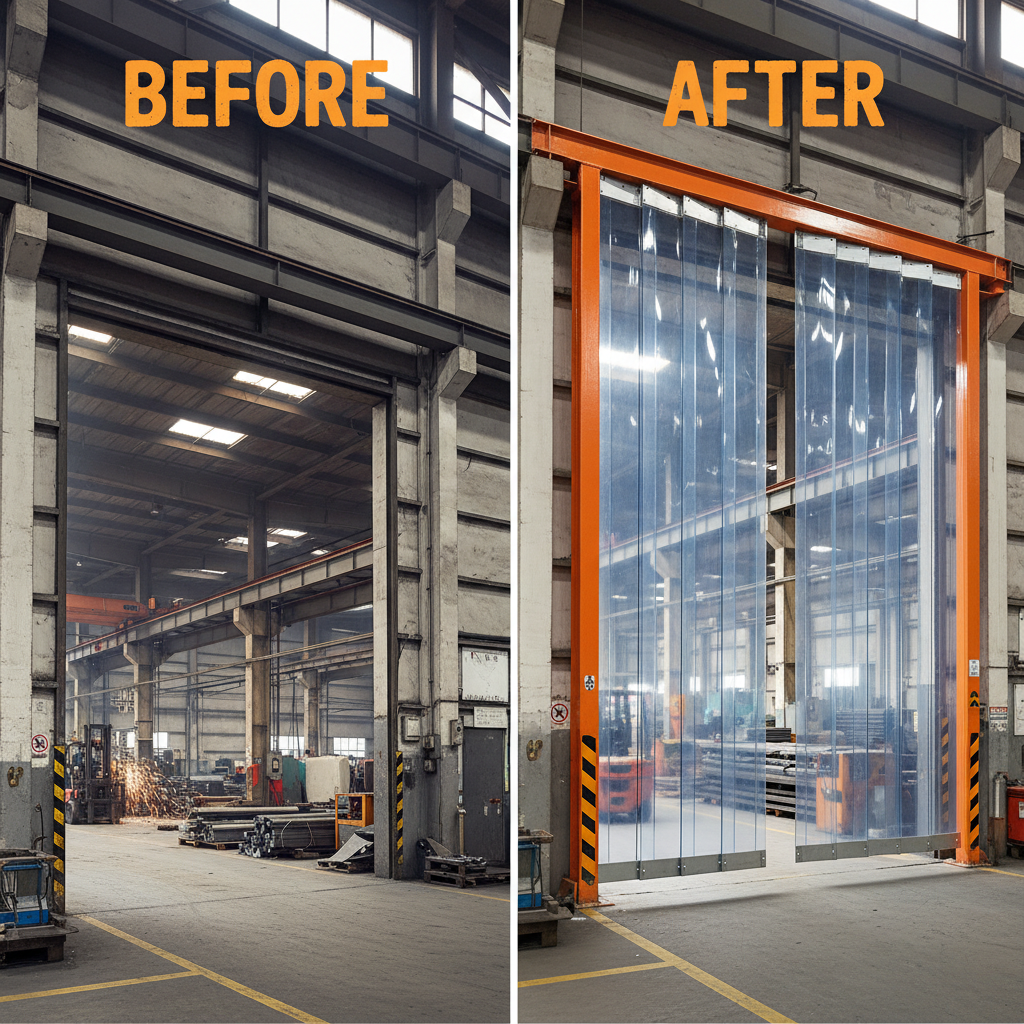

When evaluating the plastic curtains price for industrial applications, procurement managers must look beyond the initial sticker cost. PVC strip curtains serve as critical thermal and pest barriers in environments ranging from cold storage to food processing plants. The total investment is determined by a combination of material chemistry, thickness, and the specific operational demands of the facility, making a detailed cost-benefit analysis essential for long-term efficiency.
In high-traffic B2B environments, the cost of a barrier is inextricably linked to its performance lifespan. Using a low-grade PVC strip in a chemical-heavy or high-temperature zone will lead to rapid degradation, resulting in frequent replacements that far exceed the cost of a premium initial installation. Understanding the relationship between plasticizers—such as DOP and DOTP—and the environmental stressors of a warehouse ensures that the selected product maintains transparency and flexibility without shrinking or cracking.
This guide provides a comprehensive breakdown of the variables that drive pricing in the PVC strip industry. Readers will learn how to identify over-specification and under-specification, how to evaluate supplier manufacturing capabilities, and the technical criteria necessary to secure a solution that optimizes both operational hygiene and energy consumption. By the end of this analysis, you will have a framework for requesting accurate quotes and evaluating the lifecycle value of your installation.
Factors Influencing PVC Strip Barrier Costs
The valuation of industrial PVC barriers is not standardized because each installation is typically a custom engineering project. At the core of the pricing structure is the raw material volume; however, the "grade" of the PVC is the primary multiplier. For instance, ultra-transparent strips used in luxury retail or high-visibility laboratories require higher purity polymers than the standard amber-tinted welding curtains. Furthermore, the additive package—which includes UV stabilizers, flame retardants, or anti-static agents—significantly alters the production cost. A curtain designed for a -30°C freezer requires a specialized low-temperature formula to prevent the strips from becoming brittle and shattering, which naturally commands a premium over standard room-temperature strips. Manufacturing precision also plays a role; high-precision laser cutting reduces waste and ensures a perfect overlap, which is critical for maintaining a thermal seal. When sourcing from an experienced manufacturer like Langfang Wanmao, which utilizes 12 dedicated PVC production lines, the integration of scientific formulas and advanced equipment allows for a balance between material durability and commercial viability.
Industrial Procurement and Selection Guide
Selecting the right PVC strip system requires a transition from "price-shopping" to "value-engineering." To maximize the return on investment, buyers must align the technical specifications of the product with the physical demands of the site. The following seven dimensions represent the most critical variables that impact both the quote and the operational performance of the system.
Material Grade and Plasticizer Impact
The choice between DOP and DOTP plasticizers determines the curtain's flexibility and environmental safety. DOTP is often preferred in food-grade environments due to its lower toxicity and better stability. Higher grade materials resist "fogging" and maintain clarity longer, reducing the need for early replacement. The investment in superior polymer chemistry directly correlates to the strip's resistance to oils and chemicals.
| Material Grade | Key Characteristic | Primary Use Case | Cost Driver |
|---|---|---|---|
| Standard PVC | General Flexibility | Warehouse Dividers | Base Material Cost |
| Low-Temp PVC | Cold Resistance | Cold Storage/Freezers | Specialized Additives |
| Ribbed PVC | High Durability | High-Traffic Loading Docks | Manufacturing Process |
| Anti-Insect PVC | Pest Deterrence | Food Processing | Chemical Pigmentation |
| Welding Grade | Heat/Spark Resistance | Industrial Workshops | Flame Retardants |
| Ultra-Clear PVC | Maximum Visibility | Clean Rooms/Labs | Polymer Purity |
Custom Dimensions and Overlap Ratios
Pricing is heavily influenced by the width and thickness (ranging from 1mm to 5mm) of the strips. A higher overlap ratio (e.g., 50% vs 100%) improves the seal against insects and drafts but increases the material volume per linear meter. Precise measurements are vital; under-ordering leads to gaps that compromise the barrier's purpose, while over-ordering increases unnecessary expenditure.
Specialized Functional Coatings
Beyond basic PVC, certain applications require specialized treatments. Anti-static coatings are essential in electronics manufacturing to prevent ESD (Electrostatic Discharge). Similarly, insect-resistant curtains often use specific yellow-tinted polymers that are less attractive to pests. These functional enhancements add to the unit cost but provide indispensable protection for sensitive inventory.
Hardware and Suspension Systems
The suspension system is the skeleton of the installation. Options range from basic galvanized steel to high-grade stainless steel suspension systems for corrosive environments. The durability of the rail and the ease of strip replacement—such as using a slide-in hook system—affect the initial installation cost and the long-term maintenance budget.
Installation Complexity and Labor
The cost of labor varies depending on the ceiling height and the mounting surface (concrete, steel beams, or aluminum frames). Professional installation ensures that the track is perfectly level, preventing strips from leaning or gaps from forming. For large-scale facilities, the time required for a precise fit-out is a significant component of the project quote.
Maintenance and Replacement Cycles
A low plastic curtains price may be misleading if the replacement cycle is every six months. High-quality strips from a manufacturer with 20 years of experience are designed for stability. Regular cleaning with mild detergents extends the life of the PVC, but inevitable wear in high-traffic areas requires a planned budget for partial strip replacement.
Bulk Order and Lead Time Logistics
Economies of scale apply significantly to PVC production. Bulk orders allow manufacturers to optimize their production lines and reduce setup times. Additionally, the location of the supplier affects shipping costs. Companies with established export networks to Europe, the Middle East, and Southeast Asia can often provide more competitive landed costs through optimized logistics.
FAQ
How do I determine the correct thickness for my PVC strip curtains?
Thickness selection depends on traffic volume and wind pressure. 2mm is the industry standard for most warehouses. For high-traffic loading docks or areas with significant air pressure differentials, 3mm or 5mm is recommended to prevent excessive strip movement and ensure a tight seal. Heavier strips provide better insulation but require more robust suspension hardware.
Why is there such a wide variation in the cost of industrial PVC strips?
Variation is driven by the polymer quality and additives. Cheap alternatives often use inferior plasticizers that leach out over time, causing the curtains to shrink and harden. Premium options use stable compounds (like DOTP) and additives for UV resistance or temperature stability. The difference in cost reflects the lifespan and the specific industrial certifications the material meets.
Can I install these curtains in a food processing facility?
Yes, but you must specify food-grade PVC. These are typically designed to be non-toxic and are often tinted yellow to deter insects. In food environments, hygiene is paramount, so ensuring the material does not contaminate products is critical. We recommend using a suspension system that allows for easy removal and cleaning of the strips.
What is the average lifespan of a professional PVC strip installation?
Lifespan varies from 2 to 10 years depending on the environment. In a controlled warehouse, they can last a decade. In a heavy-duty loading dock with forklift traffic, individual strips may need replacing every 12-24 months. Choosing a modular system allows you to replace only the damaged strips rather than the entire curtain.
How do I evaluate a supplier's manufacturing capability?
Check for the number of production lines and the precision of their cutting equipment. A manufacturer with multiple specialized lines and high-precision laser cutting can ensure consistent thickness and clean edges. Experience in global exports is also a key indicator of quality control standards and an understanding of international industrial requirements.
Will these curtains significantly reduce energy costs?
Yes, they act as a thermal break. By limiting the exchange of air between a climate-controlled interior and the outside environment, they reduce the load on HVAC systems. This is particularly effective in cold storage and refrigerated trucks, where maintaining a consistent temperature is critical for product integrity and energy efficiency.
References and further reading
- Industrial Polymer Standards for Thermal Barriers (2023)
- Guidelines for Pest Control in Food Processing Facilities - Global Hygiene Association
- PVC Plasticizer Comparison: DOP vs DOTP for Industrial Use
Related Articles