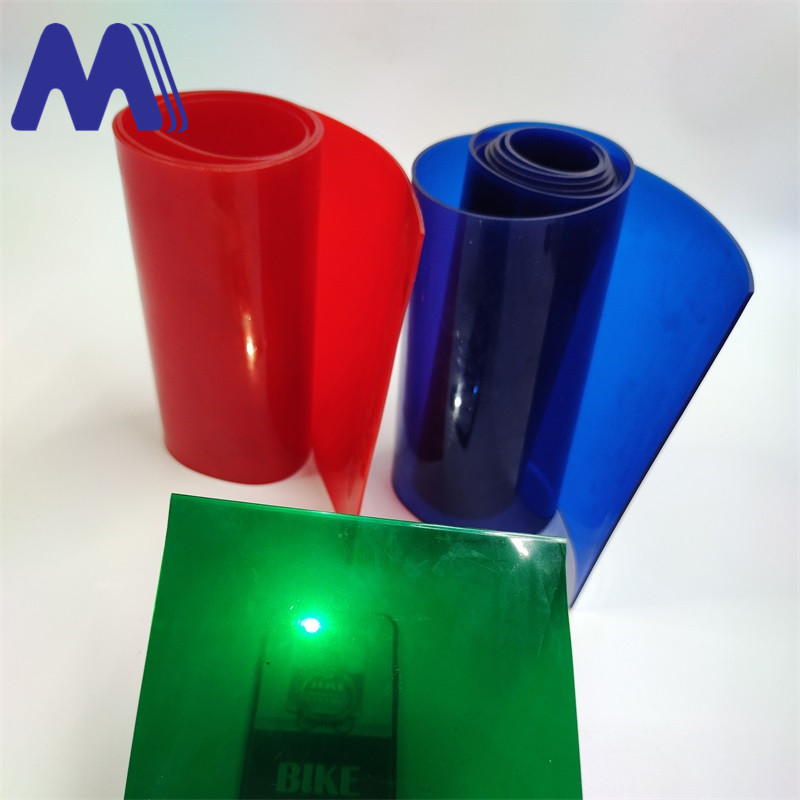
Industrial pvc strip Solutions for New Zealand

High-performance thermal insulation and dust control systems engineered for the unique climatic demands of Oceania's industrial hubs.

Current State of Plastic Barrier Industry in New Zealand

Analyzing the intersection of oceanic climate and industrial efficiency.

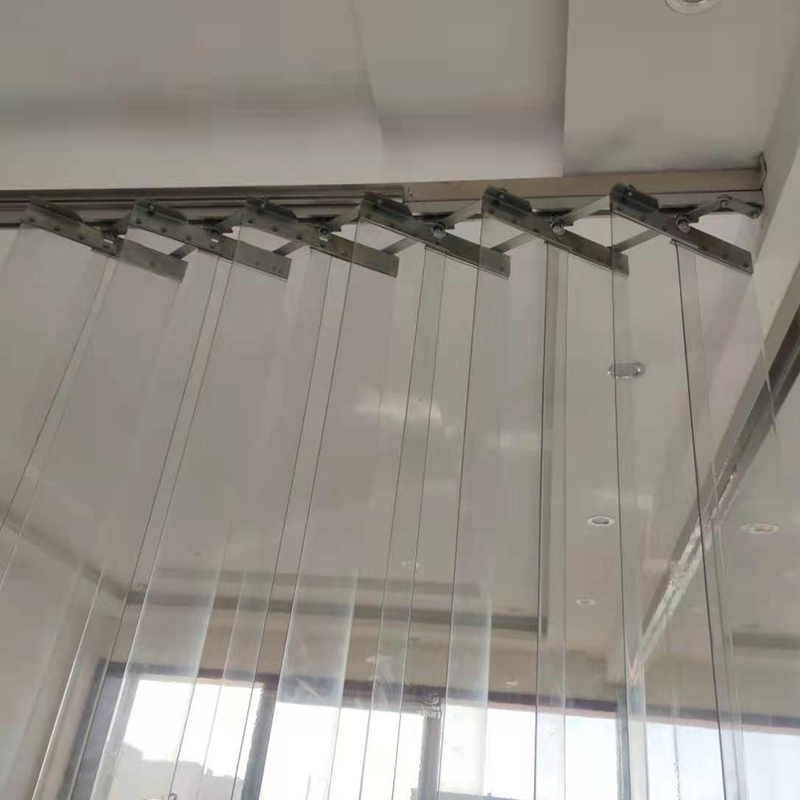
In New Zealand, the demand for plastic strip curtains is driven by the country's robust primary industries, particularly dairy and meat processing. The temperate maritime climate necessitates precise temperature control in warehouses to prevent spoilage and maintain hygiene standards required by international export regulations.

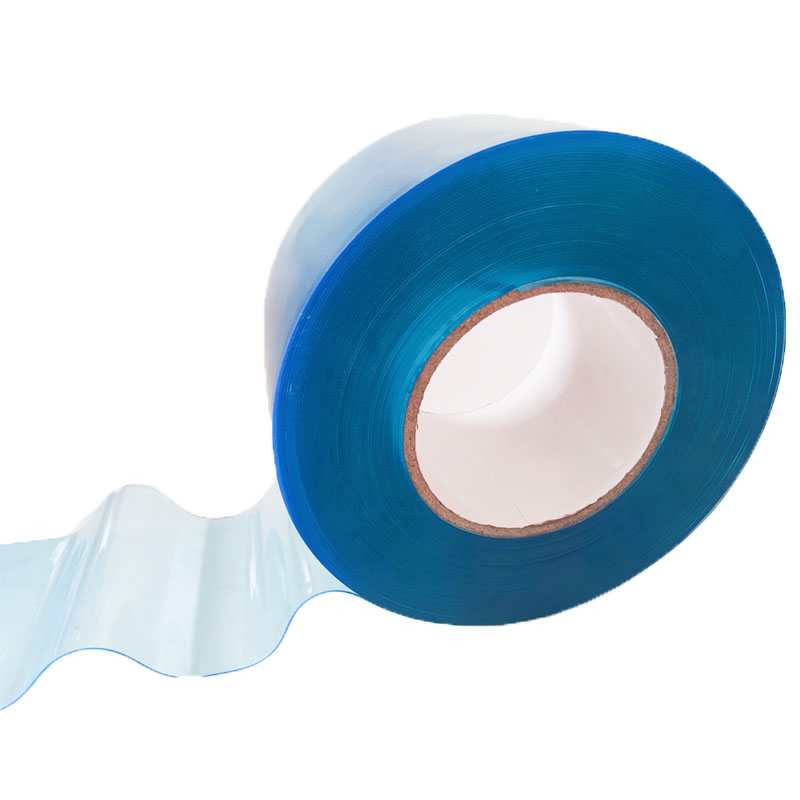
Many local facilities are currently upgrading from outdated installations to modern strip curtains that offer better UV resistance. Given the high UV index in Oceania, standard polymers often degrade; thus, there is a significant shift toward stabilized, heavy-duty materials that withstand the harsh New Zealand sun without yellowing or cracking.

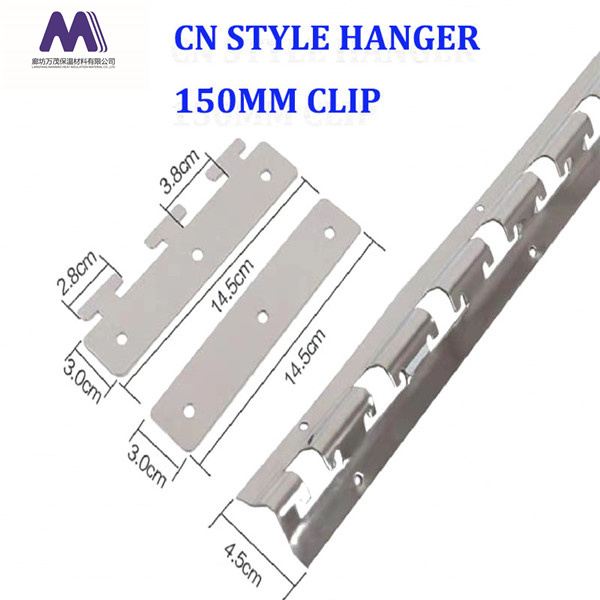
Furthermore, the integration of high-quality strip curtain hardware has become a priority for logistics centers in Auckland and Christchurch. Businesses are moving away from generic fittings to specialized hangers that allow for rapid replacement and higher durability under frequent forklift traffic.
Evolution and Trajectory of PVC Barrier Technology

From basic plastic sheets to engineered thermal barriers.

Market Development History

During the 1990s, the New Zealand market relied on basic, single-grade PVC sheets. These early iterations provided simple dust protection but lacked the thermal properties required for serious refrigeration, often leading to high energy loss in cold storage units.

Between 2005 and 2015, the industry saw the introduction of specialized polar-grade materials. The development of a more robust pvc strip curtain hanger system during this era allowed for more secure installations in high-wind environments, reflecting the need for stability in coastal industrial zones.

From 2016 to the present, the focus has shifted toward sustainability and chemical resistance. Modern iterations now incorporate antimicrobial additives and flame-retardant properties, ensuring compliance with New Zealand's strict health and safety at work (HSWA) legislation.

Future Development Trends

Eco-Friendly Polymer Integration

The transition toward recyclable and bio-based plastics is accelerating, reducing the environmental footprint of industrial installations across Oceania.

Smart Sensor Integration

Future systems will likely integrate with IoT sensors to monitor temperature fluctuations and automatically trigger ventilation or curtain adjustments.

Enhanced Modular Hardware

The evolution of strip curtain hardware will focus on tool-free installation and rapid-swap modularity to minimize facility downtime.

Industry Trends and Future Outlook

Predicting the next era of non-metallic mineral product applications.

Thermal Efficiency Optimization
Increasing focus on reducing heat exchange in New Zealand's energy-intensive cold chains.
UV-Stabilized Polymers
Advanced formulation to combat the high solar radiation levels typical of the Oceania region.
Antimicrobial Coatings
Integration of silver-ion technology to meet strict food safety standards in NZ dairy plants.
Sustainable Lifecycle
Implementing circular economy principles for the disposal and recycling of old PVC strips.

Industry Outlook

Over the next 3-5 years, the search trends in New Zealand indicate a surge in "energy-efficient warehousing" and "green industrial design." This suggests that the demand for premium strip curtains will evolve from simple partitions to active components of a building's energy management system.

As New Zealand continues to tighten its environmental regulations, manufacturers who can provide certified low-VOC and phthalate-free PVC products will dominate the market, moving the industry toward a higher standard of health and ecological safety.

Localized Application Scenarios in New Zealand

Tailored solutions for New Zealand's diverse industrial landscape.

01. Dairy Processing Plants in Waikato

Utilizing antimicrobial-grade strips to maintain sterile environments while allowing seamless movement of personnel and equipment between processing zones.

02. Cold Storage Hubs in Auckland

Implementing heavy-duty thermal barriers to prevent cold air leakage, drastically reducing energy costs for large-scale refrigerated distribution centers.

03. Meat Export Facilities in Canterbury

Using high-visibility, impact-resistant curtains and reinforced strip curtain hardware to manage heavy forklift traffic in high-humidity areas.

04. Horticulture Warehouses in Hawke's Bay

Installing UV-stabilized curtains to protect sensitive produce from dust and pests while maintaining natural airflow during the packing season.

05. Marine Engineering Workshops in Tauranga

Applying chemical-resistant strips that withstand saltwater exposure and industrial solvents used in ship maintenance and repair.

Brand Story

Global Development History of Langfang Wanmao Insulation Materials Co., Ltd.

Foundational Excellence

Established with a vision to solve industrial thermal loss, we began by mastering the chemistry of high-density PVC to create durable barrier solutions.

Technical Innovation

We developed advanced extrusion techniques that allowed for consistent thickness and clarity, solving the common industry pain point of premature strip warping.

Global Expansion

By adapting our products to international climates, we successfully entered the Oceania market, tailoring our PVC formulations to withstand high UV exposure.

Quality Certification

Achieving global quality benchmarks, we ensured that every piece of hardware and every strip meets the most stringent safety and environmental regulations.

Sustainable Future

Today, we lead the way in creating recyclable plastic film products, ensuring industrial efficiency does not come at the cost of the planet.

Common Questions in the New Zealand Market

Expert answers to your industrial PVC installation queries.

How do I choose the right thickness for plastic strip curtains in a warehouse?

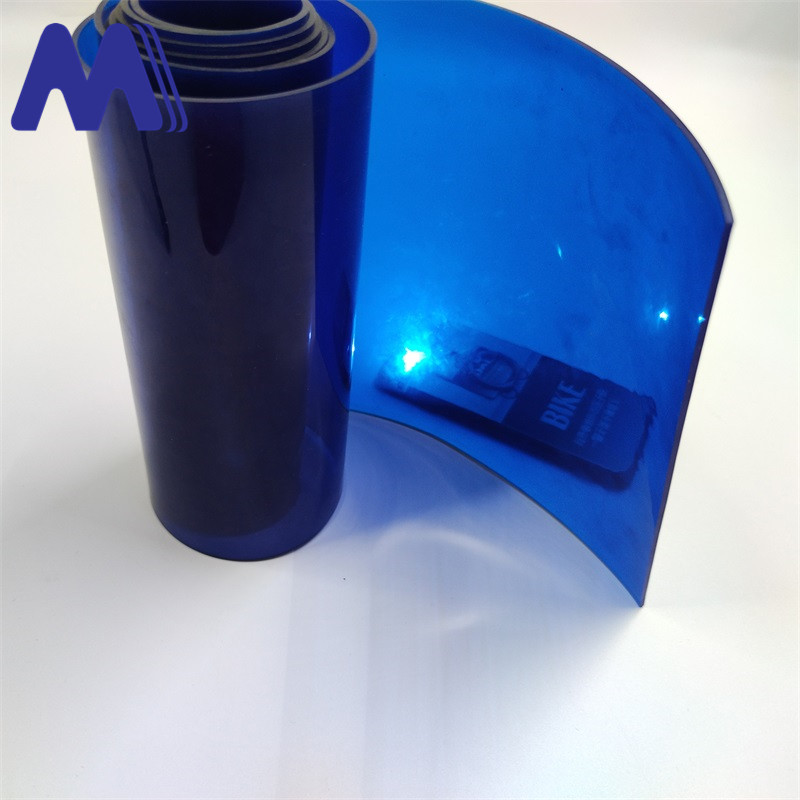
The choice depends on traffic volume. For low-traffic areas, 2mm is sufficient. For heavy forklift use in NZ logistics hubs, we recommend 3mm or 4mm for maximum durability and longevity.

Are your PVC strips resistant to the high UV levels in Oceania?

Yes, our products are formulated with specialized UV stabilizers to prevent the yellowing and brittleness often caused by the intense New Zealand sun.

What is the best pvc strip curtain hanger for high-wind coastal areas?

For coastal regions like Tauranga, we recommend our reinforced stainless steel hangers which offer superior corrosion resistance and a tighter grip to prevent strip displacement during wind gusts.

Can strip curtain hardware be installed on non-standard door frames?

Absolutely. Our modular hardware systems are designed for versatility and can be adapted to various architectural configurations common in older New Zealand industrial sites.

How often should I replace the pvc strip in a food processing environment?

Depending on the wear and hygiene requirements, we typically recommend a review every 12-24 months. Scratched or clouded strips can harbor bacteria and reduce visibility.

Do you offer customized sizes for strip curtains for specific New Zealand facility needs?

Yes, we provide full customization of width, height, and overlap to ensure an airtight seal tailored specifically to your facility's dimensions.

Ready to Optimize Your Facility?

Contact our experts today for high-performance industrial solutions delivered across New Zealand.

Contact Us Now

If you are interested in our products, you can choose to leave your information here, and we will be in touch with you shortly.