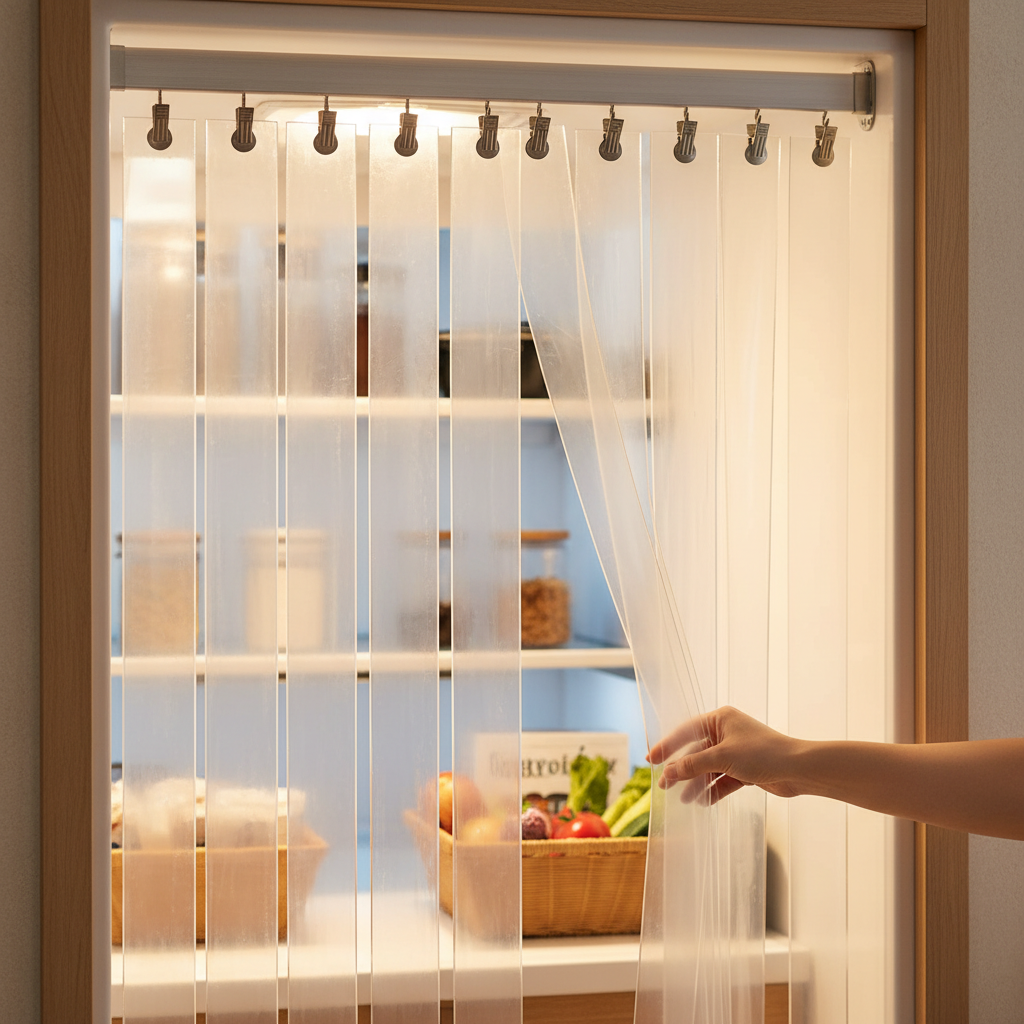
Industrial PVC Strip Curtains Price and Quality Guide
For facility managers and warehouse operators, maintaining precise climate control while allowing seamless traffic flow is a constant operational challenge. High-quality PVC strip curtains serve as a critical barrier that isolates air conditioning, reduces noise pollution, and prevents contaminant ingress without impeding the movement of personnel or machinery. When evaluating a strip curtains price, it is essential to look beyond the initial cost and consider the long-term durability, material grade (such as DOP or DOTP), and temperature resistance of the vinyl. Whether you are securing a cold storage unit at -50°C or an insect-prone food processing area, the right specification ensures energy efficiency and regulatory compliance.

Understanding the Material Engineering of High-Performance PVC Flexible Sheets
The efficacy of a flexible barrier depends heavily on its chemical composition and physical properties. Professional-grade PVC curtains are engineered with specific plasticizers like DOP and DOTP to achieve the necessary balance between flexibility and strength. For instance, ultra-transparent curtains are designed for maximum visibility to ensure safety in high-traffic industrial zones, while specialized low-temperature versions remain pliable even in extreme freezer environments down to -50°C.
Key technical specifications that influence performance include:
- Thickness Range: Available from 1mm to 7mm, allowing users to choose between lightweight partitions and heavy-duty barriers for high-wind areas.
- Hardness: Typically ranging from 65A to 70A, ensuring the material returns to its original position after being pushed.
- Density: A density of 1.2-1.4g/cm³ provides the necessary weight to maintain a tight seal against air leaks.
- Thermal Stability: A working temperature range of -50°C to +80°C ensures versatility across various climatic zones.
Beyond standard clear vinyl, industry-specific needs are met through colored options. Yellow ribbed curtains are widely used in food and pharmaceutical plants to repel insects, while orange or brown tints may be used for specific light-filtering or visibility requirements.

Strategic Applications Across Cold Chain and Industrial Environments
PVC strip curtains are not one-size-fits-all solutions; their deployment depends on the specific environmental stress they will encounter. In cold storage and refrigerated trucks, these curtains are indispensable for isolating air conditioning and preventing thermal loss, which directly reduces energy costs. The "hands-free" nature of the system allows forklift operators to pass through without stopping, maintaining productivity levels.
In the healthcare sector, including hospitals and clinics, these barriers are used to isolate sterile areas and reduce the transmission of airborne contaminants. The ability to customize the width (from 150mm up to 500mm) allows facility managers to tailor the overlap of the strips to the specific air pressure and traffic volume of the doorway.
Other common industrial applications include:
- Food Processing: Using anti-insect yellow strips to maintain hygiene standards.
- Machinery & Printing: Reducing noise leakage and protecting equipment from dust.
- Retail & Supermarkets: Maintaining temperature in walk-in freezers while allowing staff access.
- Automotive Interiors: Utilizing high-transparency PVC for specialized partitioning.
Procurement Guide: How to Evaluate Quality and Cost-Effectiveness
When sourcing industrial barriers, procurement managers often focus on the strip curtains price, but the true value lies in the total cost of ownership. Lower-quality PVC often suffers from rapid yellowing, brittleness in cold weather, or excessive shrinkage, leading to frequent replacements and increased energy leakage.
To ensure a high-return investment, consider the following evaluation criteria:
1. Material Purity: Ensure the manufacturer uses stable formulas. High-quality PVC should be free of impurities that cause clouding or premature aging. Check if the material is UV-resistant if the installation is near external light sources.
2. Suspension System: The curtain is only as good as its hanging mechanism. Stainless steel or galvanized suspension systems are recommended for longevity, especially in humid or corrosive environments. High-precision laser cutting ensures that strips are uniform, which is critical for a seamless seal.
3. Customization Capability: A professional supplier should offer OEM/ODM services, providing specific thicknesses (e.g., 2mm, 3mm, or 5mm) and lengths (50 meters per roll) to minimize waste during installation.
Technical Specification & Selection Matrix
| Application Scenario | Recommended Thickness | Material Property | Optimal Suspension |
|---|---|---|---|
| Cold Storage / Freezer | 2mm - 3mm | Low Temp Flexible PVC | Stainless Steel |
| Food Processing/Hygiene | 2mm | Yellow Anti-Insect PVC | Galvanized Steel |
| Heavy Industrial Door | 3mm - 5mm | High-Density Clear PVC | Heavy-Duty Stainless |
| Office/Clinic Partition | 1mm - 2mm | Ultra-Transparent PVC | Lightweight Aluminum |
| Warehouse Dust Control | 2mm - 3mm | Standard Flexible PVC | Galvanized Steel |
Manufacturing Excellence and Quality Control Standards
Producing a consistent, high-quality PVC strip requires advanced manufacturing infrastructure. With over 20 years of experience, the production process involves a scientific formula and the use of world-leading production lines to ensure that every roll of material maintains a uniform thickness and hardness. The use of high-precision laser cutting machines prevents jagged edges and ensures that the strips hang perfectly straight, which is essential for effective air isolation.
Quality control focuses on three main pillars: material stability, transparency, and dimensional accuracy. By controlling the density between 1.2-1.4g/cm³, the product achieves a balance between flexibility for the user and weight for the seal. Furthermore, offering a variety of colors—from polar smooth clear to ribbed textures—allows for application-specific optimization, whether the goal is maximum visibility or specialized light diffusion.
Future Trends in Industrial Thermal Insulation Barriers
As global energy costs rise and sustainability mandates become stricter, the demand for more efficient thermal barriers is increasing. We are seeing a shift toward "smarter" PVC formulations that offer even lower temperature thresholds and increased resistance to chemical degradation. The integration of high-precision suspension systems is also reducing installation time and improving the ease of replacing individual strips without dismantling the entire system.
For businesses looking to optimize their logistics, the move toward specialized anti-aging and weatherproof materials is becoming a priority. By investing in high-grade flexible curtains today, companies can significantly reduce their carbon footprint by lowering the energy required to maintain cold chains and climate-controlled environments, proving that the right material choice is both an operational and an environmental win.
Frequently Asked Questions About PVC Strip Curtains
How do I choose the correct thickness for my PVC strips?
Thickness selection depends on the traffic volume and wind pressure. 2mm is standard for most warehouses and shops. 3mm to 5mm is recommended for heavy-duty industrial doors or areas with significant air drafts to ensure the strips stay in place and provide a better seal.
Can these curtains be used in extreme cold environments?
Yes, we provide specialized low-temperature curtains designed to remain flexible and functional in environments as cold as -50°C, making them ideal for walk-in freezers and cold storage facilities.
What is the difference between clear and yellow PVC strips?
Clear strips provide maximum visibility for safety. Yellow strips (especially ribbed ones) are specifically designed to be anti-insect, as the color is less attractive to flying pests, making them the gold standard for food processing and pharmaceutical plants.
What are the benefits of using a stainless steel suspension system?
Stainless steel offers superior corrosion resistance compared to galvanized steel, which is critical in humid environments, food processing areas, or facilities that use chemical cleaning agents, ensuring a longer service life.
Do you provide customization for specific door sizes?
Yes, we offer comprehensive OEM/ODM services. We can customize the width (150mm to 500mm), thickness (1mm to 7mm), and color to meet your specific facility requirements.
How do I maintain my PVC strip curtains for a longer life?
Regularly clean the strips with a mild soap and water solution. Avoid harsh chemical solvents that can degrade the PVC. If individual strips become worn or damaged, replace them promptly to maintain the thermal seal.
Technical Resources & Further Reading
- Overview of Curtain Types and Functional Uses
- ISO Standards for Plastic Material Quality
- FDA Guidelines for Food Facility Hygiene and Barriers
- OSHA Safety Standards for Industrial Walkways
Selecting the right industrial barrier is a balance of material science and operational needs. By focusing on thickness, temperature rating, and the quality of the suspension system, you can ensure a durable solution that reduces energy costs and improves facility efficiency.
Related Articles