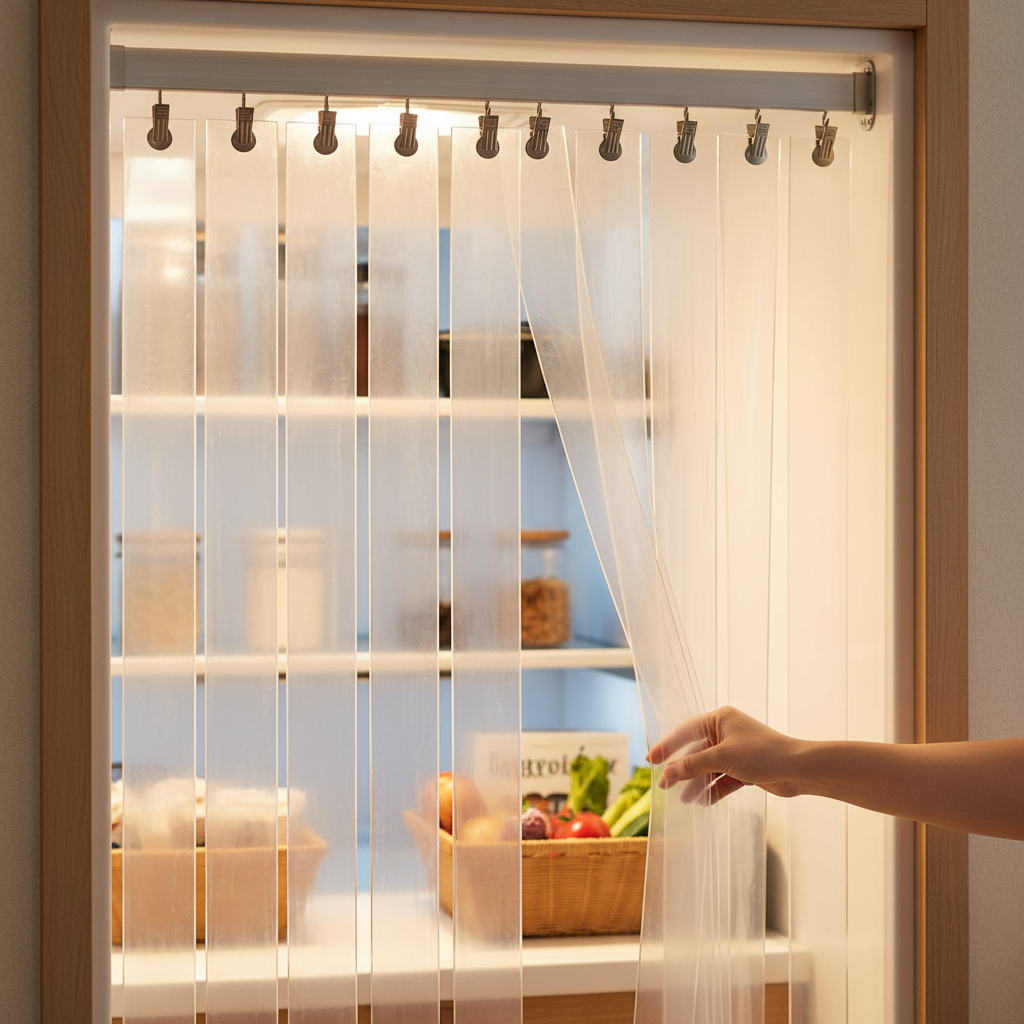
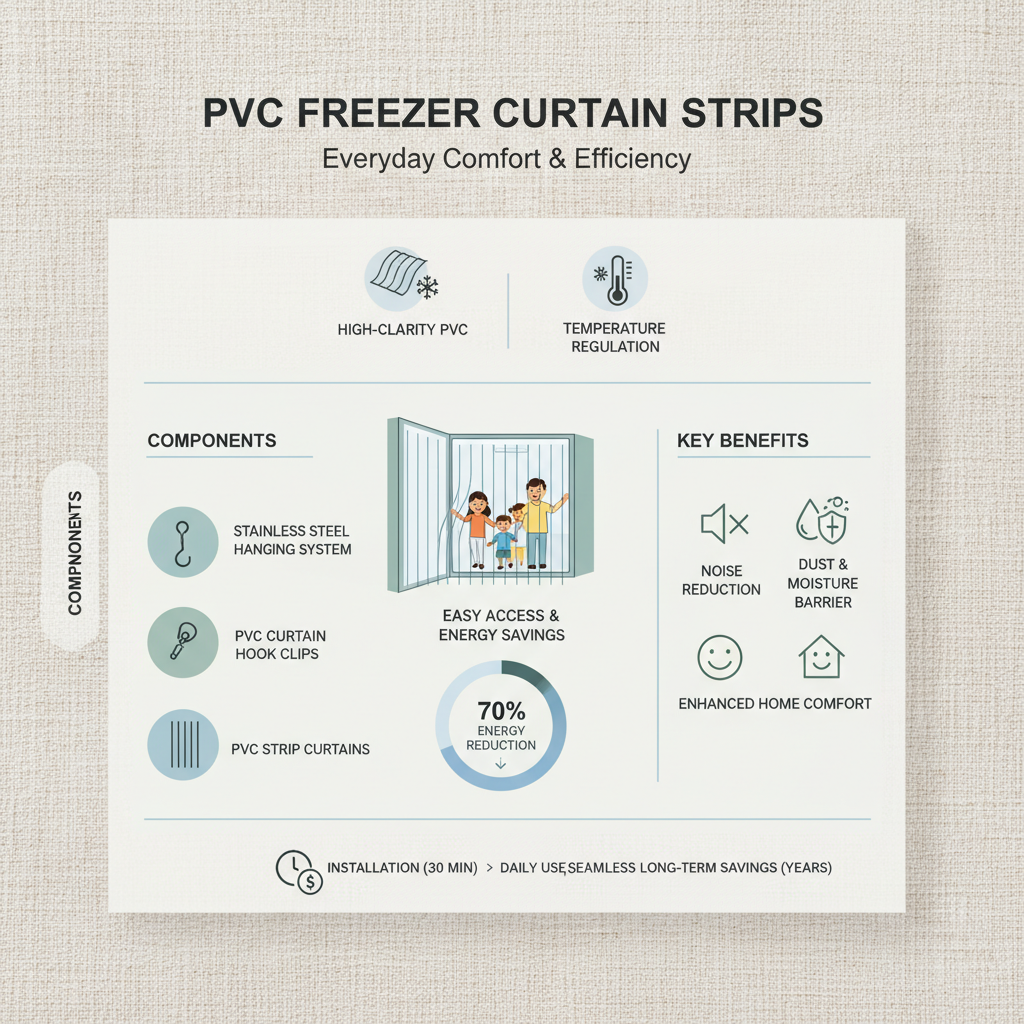
Maintaining precise temperature control is a critical challenge for cold storage facilities and food processing plants worldwide. The implementation of pvc freezer curtain strips offers a highly efficient, cost-effective solution to minimize thermal loss while allowing seamless transit for personnel and machinery. By creating a flexible thermal barrier, these curtains prevent expensive conditioned air from escaping, thereby reducing energy consumption and operational overhead.
From a global logistics perspective, the reliance on cold chain integrity has never been more vital, especially with the rise of pharmaceutical transport and frozen food exports. The use of high-quality pvc freezer curtain strips ensures that internal environments remain stable, preventing frost buildup on evaporators and protecting perishable goods from temperature fluctuations. This stability is not just about cost; it is about safety and compliance with international food health standards.
Understanding the nuances of material science—specifically the plasticizers used in low-temperature PVC—allows facility managers to choose the right thickness and flexibility for their specific needs. Whether dealing with blast freezers or standard chilled warehouses, the right configuration of these strips can lead to a significant increase in the lifespan of refrigeration equipment and a measurable decrease in monthly utility bills.
Global Relevance of PVC Freezer Curtain Strips
In the modern industrial landscape, energy efficiency is no longer optional—it is a regulatory requirement. According to data aligned with ISO 50001 energy management standards, thermal leakage in commercial refrigeration is one of the primary drivers of energy waste. pvc freezer curtain strips address this challenge by providing a physical but permeable barrier that maintains the "cold envelope" of a facility, reducing the load on compressors and lowering carbon emissions.
The global demand for these strips has surged as emerging economies expand their cold storage infrastructure to support urban population growth. From the sprawling logistics hubs in Asia to the pharmaceutical warehouses in Europe, the ability to keep a door "open yet closed" allows for high-frequency forklift traffic without compromising the critical temperature zones required for vaccine or food storage.
Defining the Technical Standard of Freezer Strips
At its core, pvc freezer curtain strips are specialized Polyvinyl Chloride sheets engineered with specific plasticizers that prevent the material from becoming brittle at sub-zero temperatures. Unlike standard PVC, which can crack when exposed to extreme cold, freezer-grade strips remain flexible, allowing them to bend and return to their original position after being pushed aside by a worker or vehicle.
This technical distinction is vital for humanitarian needs, such as the transport of temperature-sensitive medicines in disaster-prone regions. When modular cold rooms are deployed, these curtains serve as the primary defense against ambient heat ingress, ensuring that life-saving supplies remain potent. The balance between transparency (for safety and visibility) and thermal insulation is the hallmark of a high-quality freezer strip.
Furthermore, the integration of these strips into modern industrial design emphasizes a "passive" cooling approach. By reducing the frequency of air exchange between the frozen interior and the warm exterior, companies can significantly extend the service interval of their cooling units, reducing maintenance costs and preventing unplanned downtime in critical production lines.
Core Components of Low-Temperature PVC
The effectiveness of pvc freezer curtain strips relies heavily on material durability. The chemical composition must be optimized to resist "cold-cracking," a phenomenon where the polymer chains freeze and snap under pressure. This is achieved through the use of advanced low-temperature plasticizers that maintain the material's elasticity down to -20°C or even lower.
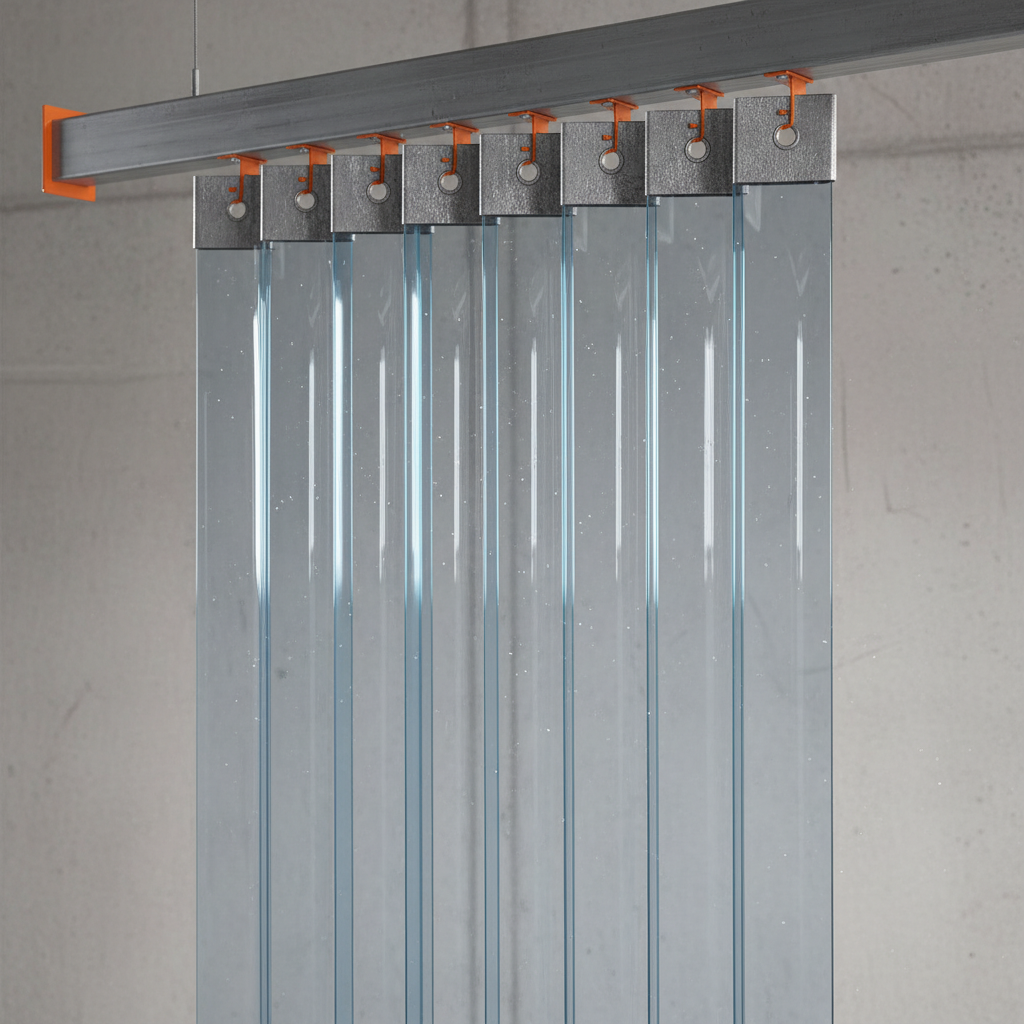
Scalability and installation versatility are also key factors. These strips are typically paired with galvanized iron or stainless steel (SUS 304) hangers, ensuring that the hardware does not rust in the high-humidity environments common in freezer rooms. This synergy between the flexible PVC and the rigid support system allows for custom widths and overlaps, maximizing the thermal seal.
Cost efficiency is the final core component. When compared to automated high-speed doors, pvc freezer curtain strips offer an immediate return on investment. They require no electricity to operate, have minimal moving parts to break, and can be partially replaced if a single strip becomes damaged, rather than replacing the entire system.
Performance Metrics and Efficiency Analysis
When evaluating the success of pvc freezer curtain strips, industry experts look at the "Thermal Leakage Reduction Rate." By measuring the air velocity at the doorway before and after installation, it becomes evident that overlapping strips can reduce air exchange by up to 80%, drastically stabilizing the internal temperature of the freezer.
Another critical metric is the "Recovery Time"—the speed at which the internal temperature returns to the set point after a vehicle has passed through the curtains. High-grade freezer strips facilitate a faster recovery than open doors, which in turn prevents the formation of ice crystals on the surface of frozen food products, maintaining product quality and grade.
Comparative Efficiency of PVC Freezer Curtain Strip Variations
Industrial Applications Across Cold Chain Sectors
In the food processing industry, pvc freezer curtain strips are indispensable in blast freezers where rapid temperature drops are required. In these environments, the curtains prevent the warm air of the loading dock from entering the flash-freeze zone, ensuring that the cooling cycle remains uninterrupted and the energy output of the industrial chillers is maximized.
Beyond food, the pharmaceutical sector utilizes these strips in the storage of biological samples and vaccines. In remote industrial zones or temporary medical facilities, where power stability may be an issue, the passive insulation provided by these curtains acts as a fail-safe, slowing down the rate of warming in the event of a power outage, thereby granting critical extra time to activate backup generators.
Long-Term Value and Sustainability Benefits
The long-term value of installing pvc freezer curtain strips extends far beyond simple energy savings. There is a significant impact on worker safety and psychological well-being; by reducing the draft and wind-chill effect in transition areas, employees are less exposed to extreme temperature shocks, which improves productivity and reduces health-related absences.
From a sustainability angle, reducing the workload on refrigeration systems leads to a decrease in the consumption of refrigerants and lowers the overall electricity demand of the facility. This aligns with global corporate social responsibility (CSR) goals to reduce the carbon footprint of the supply chain, making the business more attractive to eco-conscious partners and investors.
Reliability is another key emotional and logical driver. Knowing that the cold chain is secured by a physical barrier that doesn't rely on a computer chip or a motor provides peace of mind to facility managers. The trust in a simple, robust material like low-temperature PVC ensures that the integrity of the stored goods is never compromised by a mechanical failure of a motorized door.
Future Innovations in Thermal Barrier Materials
The future of pvc freezer curtain strips is moving toward "intelligent materials." Research is currently focusing on the integration of antimicrobial additives directly into the PVC polymer to prevent the growth of mold and bacteria in damp freezer environments, which is especially critical for FDA-regulated food production sites.
Furthermore, we are seeing a shift toward more sustainable, recyclable PVC options. The industry is exploring the use of bio-based plasticizers that maintain the same flexibility at -30°C but are biodegradable or easier to recycle at the end of the product's lifecycle, reducing the environmental impact of industrial plastic waste.
Digital transformation is also playing a role, with some facilities implementing sensors that monitor the "gap" in the curtains to alert managers when strips have become worn or displaced. This predictive maintenance approach ensures that the thermal seal is always at 100% efficiency, blending old-school physical barriers with new-age data analytics.
Technical Comparison of PVC Freezer Curtain Material Specifications
| Material Grade |
Min. Temp Limit |
Flexibility Score (1-10) |
Thermal Insulation |
| Standard PVC |
0°C |
4 |
Low |
| Freezer Grade A |
-15°C |
7 |
Medium |
| Polar Grade B |
-25°C |
9 |
High |
| Ultra-Cold Grade |
-40°C |
10 |
Very High |
| Reinforced Polar |
-20°C |
8 |
High |
| Anti-Static Freezer |
-15°C |
7 |
Medium |
FAQS
Standard PVC strips contain plasticizers that harden at low temperatures, making them brittle and prone to cracking when touched or moved in a freezer. Specialized freezer strips are formulated with low-temperature plasticizers that maintain flexibility even at -20°C, ensuring the curtain remains functional and durable without breaking under operational stress.
Depending on the traffic volume and the temperature differential, high-quality strips can last between 3 to 5 years. However, wear and tear usually occur at the top attachment points. By using reinforced hangers and periodically cleaning the strips to remove grime, you can maximize their lifespan and maintain a tight thermal seal.
Yes, most industrial-grade freezer strips are manufactured to be non-toxic and resistant to common cleaning agents. For high-compliance food environments, we recommend ensuring the strips meet FDA or EU food-grade standards, which prevent the migration of chemicals from the plastic into the food products.
Thickness is generally determined by the wind speed and traffic volume. For low-traffic areas, 2mm thickness is often sufficient. For high-traffic warehouse doors where forklifts pass frequently, 3mm or 4mm strips are recommended to provide better stability, superior thermal insulation, and increased resistance to physical impact.
Actually, they help prevent it. Frost buildup is caused by warm, moist air hitting cold surfaces. By blocking the majority of the warm air from entering the freezer, these strips significantly reduce the humidity levels near the door, thereby decreasing the accumulation of ice and frost on frames and evaporator coils.
Not at all. They are designed for easy retrofitting. Most systems use a rail-and-hanger mechanism that can be bolted to the existing door frame. Because they are modular, you can customize the overlap and height to fit any doorway without needing to modify the structural integrity of the cold room.
Conclusion
In summary, pvc freezer curtain strips represent a perfect intersection of material science and operational efficiency. By addressing the critical need for thermal containment in the cold chain, these strips reduce energy costs, protect perishable inventory, and enhance the safety and comfort of the workforce. From their unique low-temperature flexibility to their seamless integration into industrial workflows, they remain the gold standard for passive temperature control.
As the global supply chain continues to evolve toward greater sustainability and stricter health regulations, the role of high-performance thermal barriers will only grow. We suggest that facility managers conduct a thermal audit of their entry points and upgrade to specialized polar-grade strips to future-proof their operations. For premium quality and expert guidance on the right specifications for your facility, visit our website: www.lfwanmao.com.