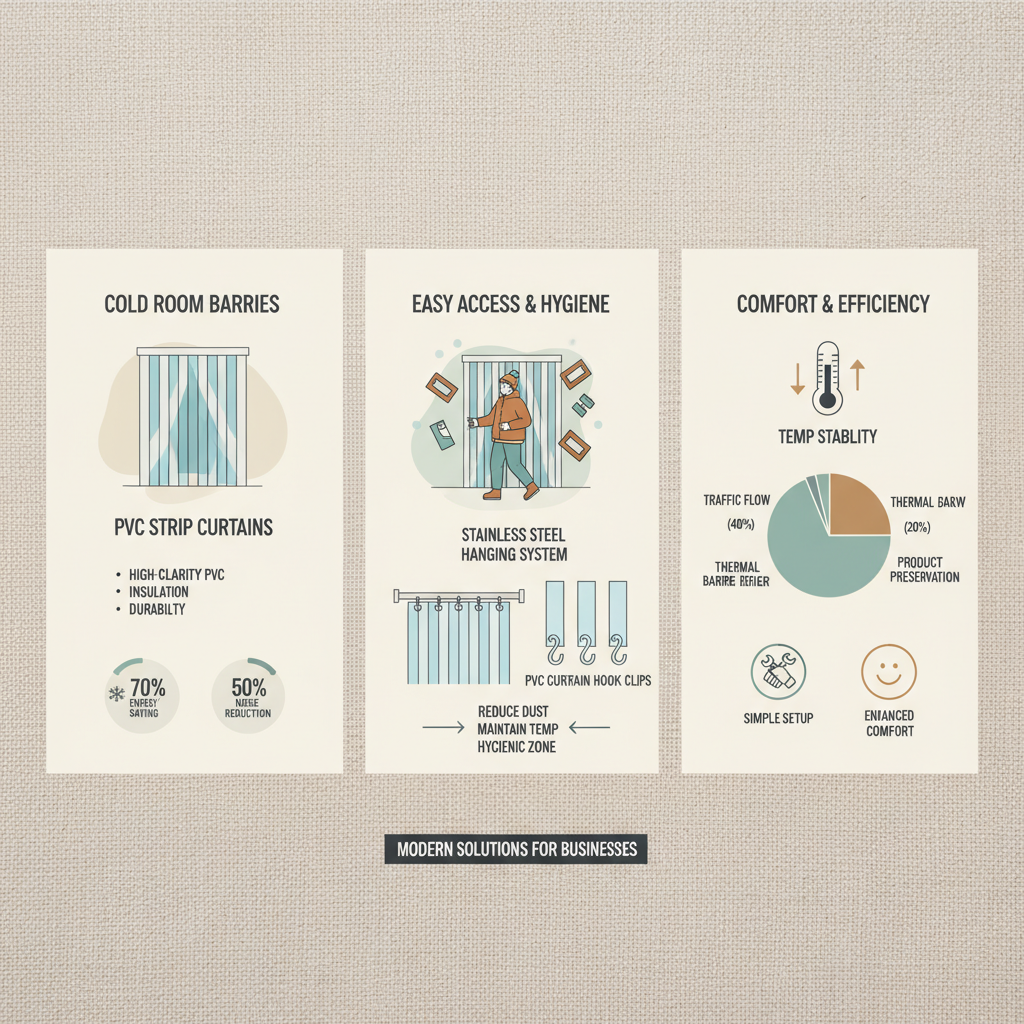
Maintaining a consistent internal temperature is the cornerstone of efficiency in any cold chain logistics or food preservation operation. The implementation of strip curtains for cold room applications serves as a critical thermal barrier, preventing the costly exchange of refrigerated air for ambient warmth during frequent entry and exit cycles. By minimizing energy leakage, these specialized PVC barriers ensure that compressors run less frequently, thereby extending the lifespan of the cooling equipment.
Across the global manufacturing and food service industries, the demand for high-performance thermal insulation has surged as energy costs climb and environmental regulations tighten. Modern strip curtains for cold room are no longer simple plastic sheets; they are engineered materials designed to withstand extreme sub-zero temperatures without cracking or losing flexibility. This technological evolution allows facilities to maintain strict HACCP standards while ensuring a seamless flow of personnel and machinery.
Understanding the nuances of material selection—from Polar PVC to magnetic reinforced options—is essential for operational success. When correctly deployed, strip curtains for cold room provide a dual benefit: they shield the interior from external contaminants and pests while slashing utility bills. In the following comprehensive guide, we will explore the technical specifications, global applications, and future trends that define the industry standard for cold storage insulation.
Global Relevance of Thermal Barriers in Cold Storage
The global cold chain market is expanding rapidly, driven by the increasing demand for frozen foods and pharmaceutical biologics. According to industry standards aligned with ISO environmental controls, the loss of temperature during door openings is one of the primary causes of energy waste in warehouses. Utilizing strip curtains for cold room environments mitigates this risk by creating a persistent seal that resists the influx of warm, moist air.
This global reliance on thermal barriers is particularly evident in regions with extreme climate fluctuations, where the delta between ambient outdoor temperatures and freezer interiors can exceed 40 degrees Celsius. Without a robust barrier system, facilities face increased frosting on evaporators and higher risks of product spoilage, making the strategic installation of PVC strips a non-negotiable requirement for modern logistics hubs.
Defining High-Performance Strip Curtains for Cold Room
In technical terms, strip curtains for cold room are specialized vertical partitions made from flexible, transparent PVC (Polyvinyl Chloride) formulated with plasticizers that prevent the material from becoming brittle at low temperatures. Unlike standard PVC, these cold-room variants are engineered to remain pliable down to -15°C or even -40°C, ensuring they can be pushed aside by workers or forklifts and immediately return to their original position.
These systems bridge the gap between the need for accessibility and the requirement for insulation. In the context of modern industry, they serve as a "passive" energy-saving device. They do not require electricity to operate but provide an immediate reduction in air infiltration, which is critical for maintaining the "Cold Chain" integrity required by international food safety regulations.
From a humanitarian perspective, these curtains are vital in medical storage facilities in remote areas. By reducing the load on refrigeration units, they ensure that life-saving vaccines and medicines remain stable even in regions where power grids are unreliable, demonstrating that a simple piece of engineered plastic can have a profound impact on global health.
Core Components and Material Engineering
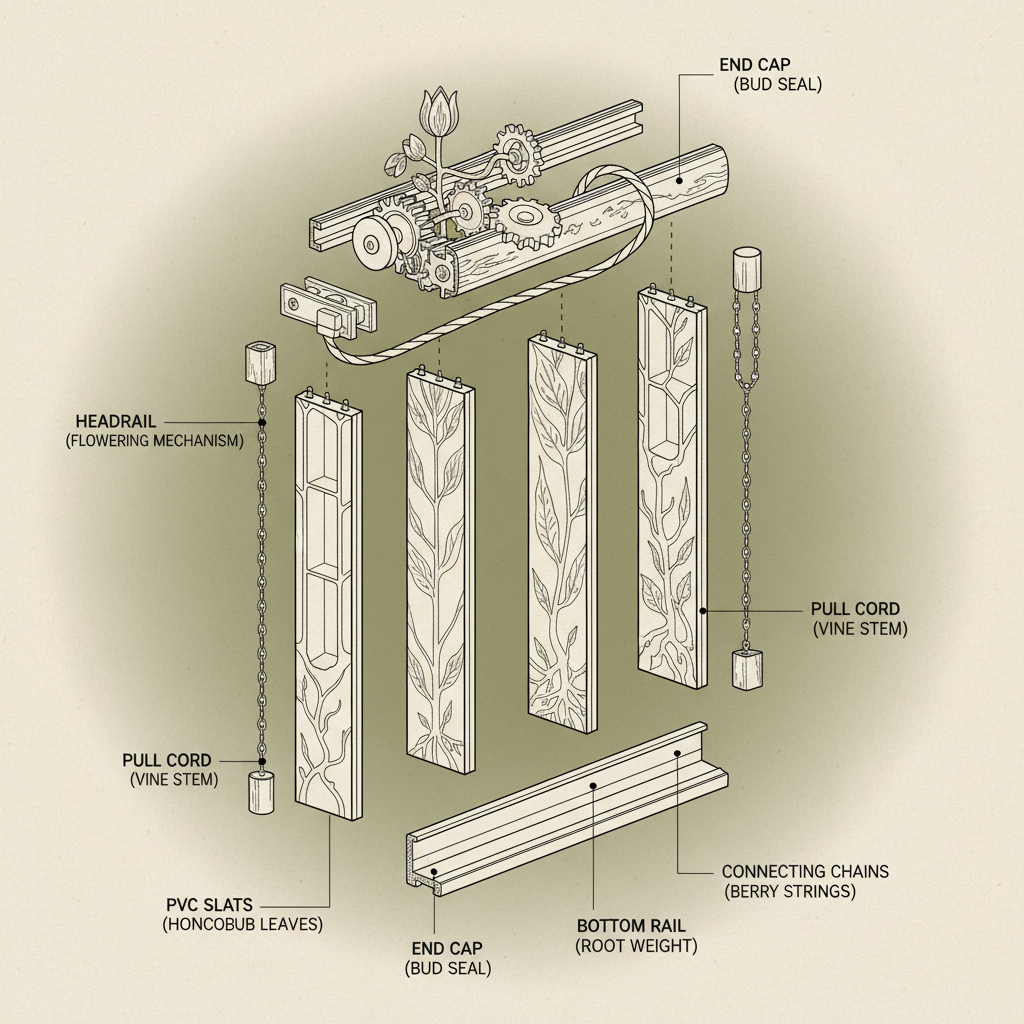
The efficacy of strip curtains for cold room depends heavily on the quality of the PVC resin and the additive package used during extrusion. High-grade Polar PVC is the industry standard, offering superior clarity and low-temperature flexibility. This ensures that visibility remains high for safety reasons while the material resists the "freezing" effect that causes cheaper curtains to snap.
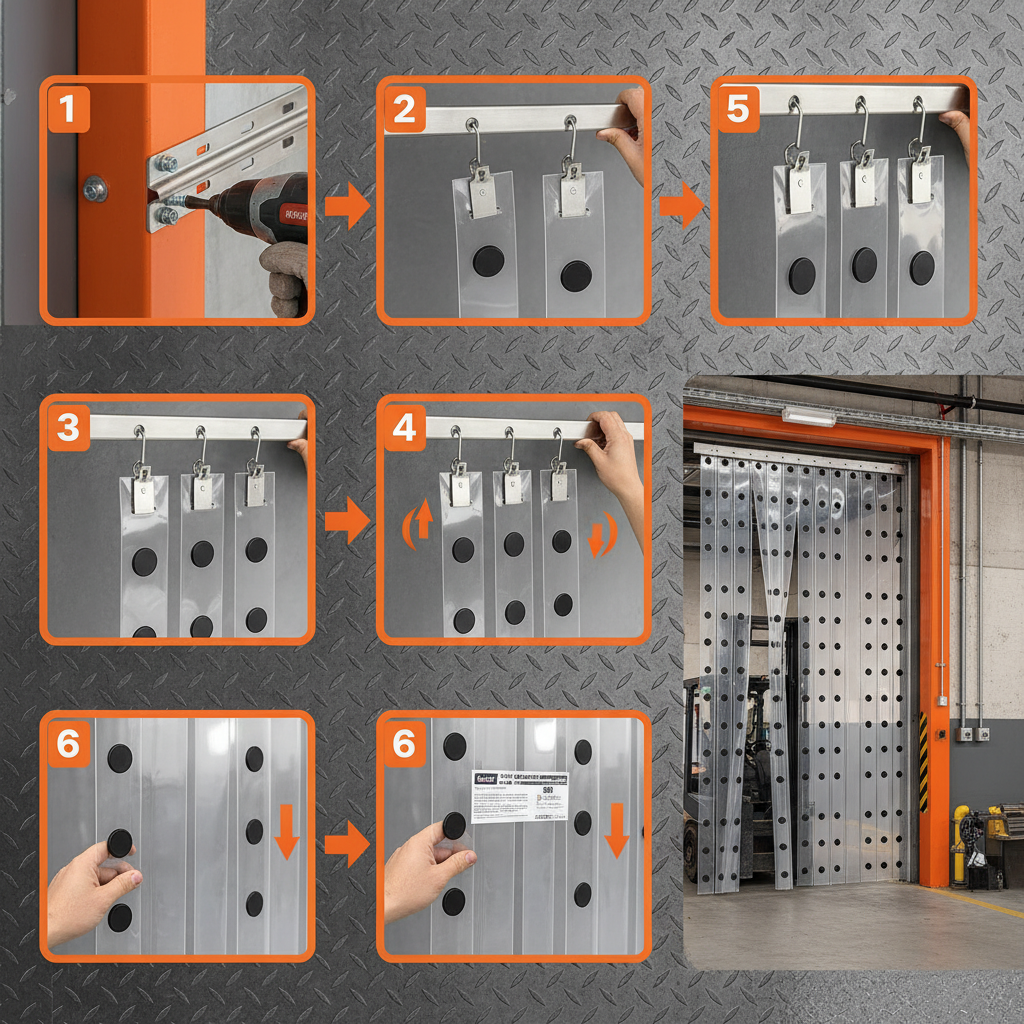
Another critical component is the mounting hardware. Whether using Galvanized Iron or SUS 304 Stainless Steel hangers, the hardware must be corrosion-resistant. In cold rooms, condensation is frequent; therefore, utilizing SUS 304 ensures that the strip curtains for cold room do not succumb to rust, which could otherwise contaminate food-grade environments.
Finally, the overlap design is a key engineering factor. By calculating the precise overlap between each strip, manufacturers can maximize the air seal. A 50mm to 100mm overlap is typically recommended for cold storage to prevent "air gaps" that allow cold air to escape, thereby optimizing the overall thermal performance of the installation.
Practical Application and Efficiency Metrics
When analyzing the performance of strip curtains for cold room, it is essential to look at the reduction in "Air Exchange Rates." In a typical walk-in freezer, an open door can lead to a 20-30% increase in energy consumption. By installing a multi-layered strip system, this loss is significantly reduced, as the curtains act as a buffer zone that traps the cold air.
Beyond energy, these systems improve operational safety. The transparency of the PVC allows forklift operators to see oncoming traffic or pedestrians on the other side of the curtain, reducing the risk of collisions in high-traffic warehouse environments. This combination of energy efficiency and safety makes it a primary choice for industrial architects.
Efficiency Rating of Different Cold Room Barrier Methods
Global Use Cases Across Diverse Industries
In the pharmaceutical sector, especially within the EU and North America, strip curtains for cold room are used to protect temperature-sensitive vaccines from temperature excursions. These curtains are often paired with anti-static properties to prevent dust accumulation, ensuring that the sterile environment is maintained during the movement of medical supplies.
In the food processing industry in Asia, particularly in giant seafood export hubs, these curtains are deployed in blast freezers. Here, they prevent the "fogging" effect that occurs when warm air hits freezing surfaces, which not only protects the product from frost-burn but also ensures a safer, slip-free floor for the workforce.
Long-term Economic and Sustainable Value
The ROI (Return on Investment) for installing strip curtains for cold room is typically realized within the first year of operation. By reducing the workload on the refrigeration compressor, businesses see a direct drop in monthly kilowatt-hour consumption. This logical economic gain is paired with a sustainability angle: lower energy use means a lower carbon footprint for the facility.
Beyond the balance sheet, there is an emotional value tied to reliability. Facility managers gain peace of mind knowing that their inventory is shielded from sudden temperature spikes. This reliability builds trust with clients who require strict temperature logs for their perishables, ensuring that the brand's reputation for quality is never compromised.
Furthermore, the durability of modern PVC materials means that replacement cycles are long. When the strips eventually wear out, many high-quality PVC products are recyclable, fitting into the circular economy model that modern global corporations are now mandated to follow.
Innovations and Future Trends in PVC Technology
The future of strip curtains for cold room is leaning toward "Smart Materials." We are seeing the development of PVC composites that offer even higher thermal resistance while remaining thinner and more flexible. Some innovative designs are now incorporating antimicrobial agents directly into the plastic matrix to fight mold and bacteria growth in humid cold-storage environments.
Integration with automation is another emerging trend. Some facilities are combining strip curtains with sensors that trigger alarms if the curtains are left pushed aside or if a gap becomes too large. This digital transformation ensures that the passive benefits of the curtains are monitored and optimized in real-time.
Sustainability is also driving a shift toward bio-based plasticizers. The goal is to move away from phthalates toward eco-friendly alternatives that maintain the same low-temperature performance but are safer for the environment and the workers who handle them daily.
Analysis of Material Performance for Cold Room Applications
| Material Type |
Flexibility at -20°C |
Thermal Insulation |
Durability Score |
| Standard PVC |
Low (Stiff) |
Moderate |
5/10 |
| Polar PVC |
Excellent |
High |
9/10 |
| Magnetic PVC |
High |
Very High |
8/10 |
| Anti-Static PVC |
Moderate |
Moderate |
7/10 |
| Reinforced PVC |
Moderate |
High |
10/10 |
| Polycarbonate |
N/A (Rigid) |
Very High |
9/10 |
FAQS
For deep freezers, "Polar PVC" is the recommended material. It is specifically engineered to remain flexible at temperatures as low as -40°C, preventing the strips from cracking or becoming rigid, which ensures that personnel can still move through the doorway easily while maintaining a tight thermal seal.
Replacement frequency depends on traffic volume. In high-traffic logistics hubs, strips may need replacing every 12-24 months. However, in low-traffic storage, they can last several years. Look for signs of "clouding," yellowing, or cracks as indicators that the material is degrading and losing its thermal efficiency.
Yes, magnetic strip curtains typically offer superior insulation because the magnets pull the strips back together more aggressively after a passage. This eliminates the air gaps often found in standard overlapping strips, significantly reducing the amount of cold air that leaks out.
Absolutely. Most ice buildup in cold rooms is caused by warm, moist air entering the freezer and condensing on cold surfaces. By creating a barrier, strip curtains limit the volume of humid air entering the space, which drastically reduces frost accumulation on ceilings and evaporator coils.
Yes, provided you choose PVC that is FDA or EU food-grade compliant. High-quality strip curtains for cold room are made from non-toxic plastics that do not leach chemicals and are easy to clean with standard industrial sanitizers.
Thickness usually ranges from 2mm to 5mm. For light pedestrian traffic, 2mm is sufficient. For areas where forklifts or heavy pallets pass through frequently, 3mm or 5mm is recommended to provide the necessary durability and weight to ensure the strips return to their position quickly.
Conclusion
In summary, the strategic deployment of strip curtains for cold room is an essential investment for any facility prioritizing energy efficiency and product integrity. By combining advanced material science—such as Polar PVC—with robust hardware and precise installation, businesses can drastically reduce their operational costs while upholding the highest safety and hygiene standards. From pharmaceutical storage to industrial food processing, the ability to control thermal exchange without sacrificing accessibility is a key driver of productivity.
Looking forward, the shift toward eco-friendly, bio-based PVC and the integration of smart monitoring will further enhance the value of these thermal barriers. We recommend that facility managers conduct a thermal audit to identify leakage points and upgrade to high-performance strip systems to stay competitive in an energy-conscious market. For those seeking professional-grade insulation solutions, visit our website: www.lfwanmao.com to find the perfect fit for your cold storage needs.