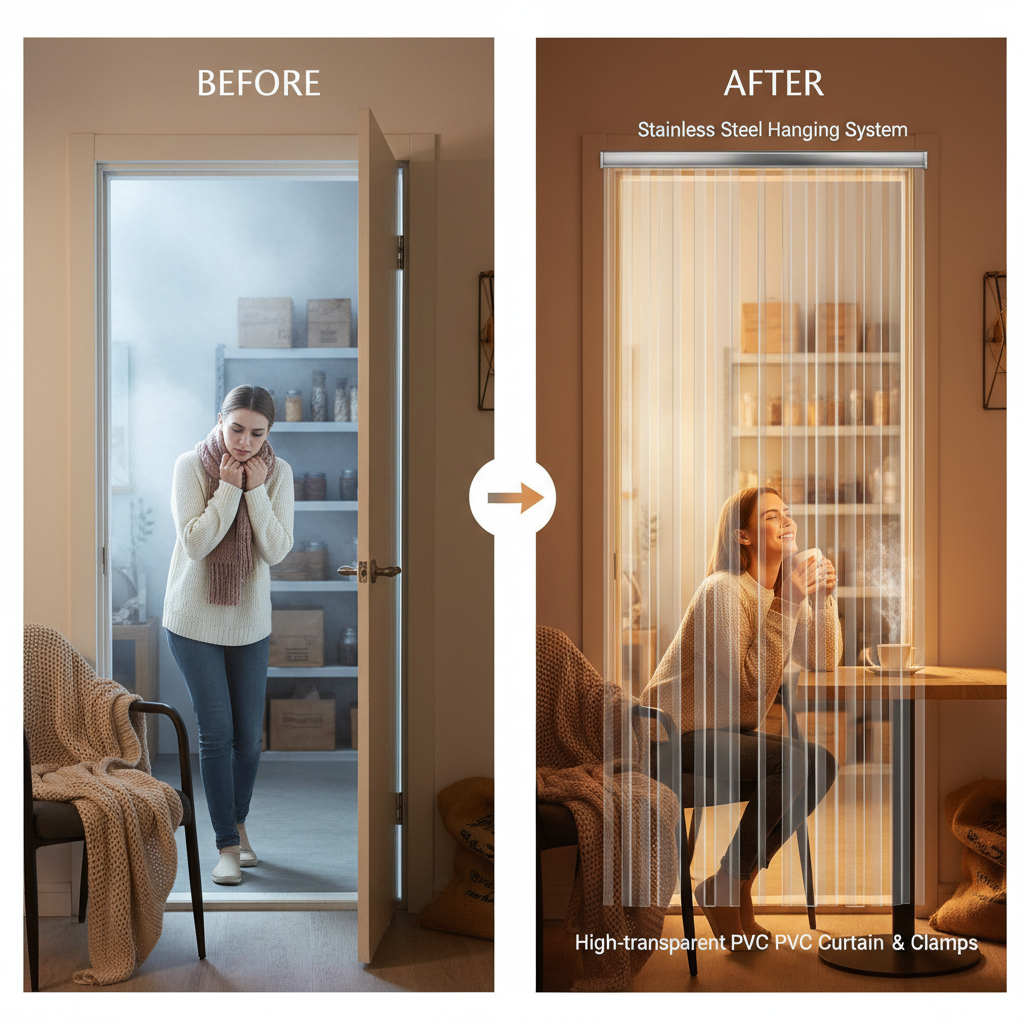
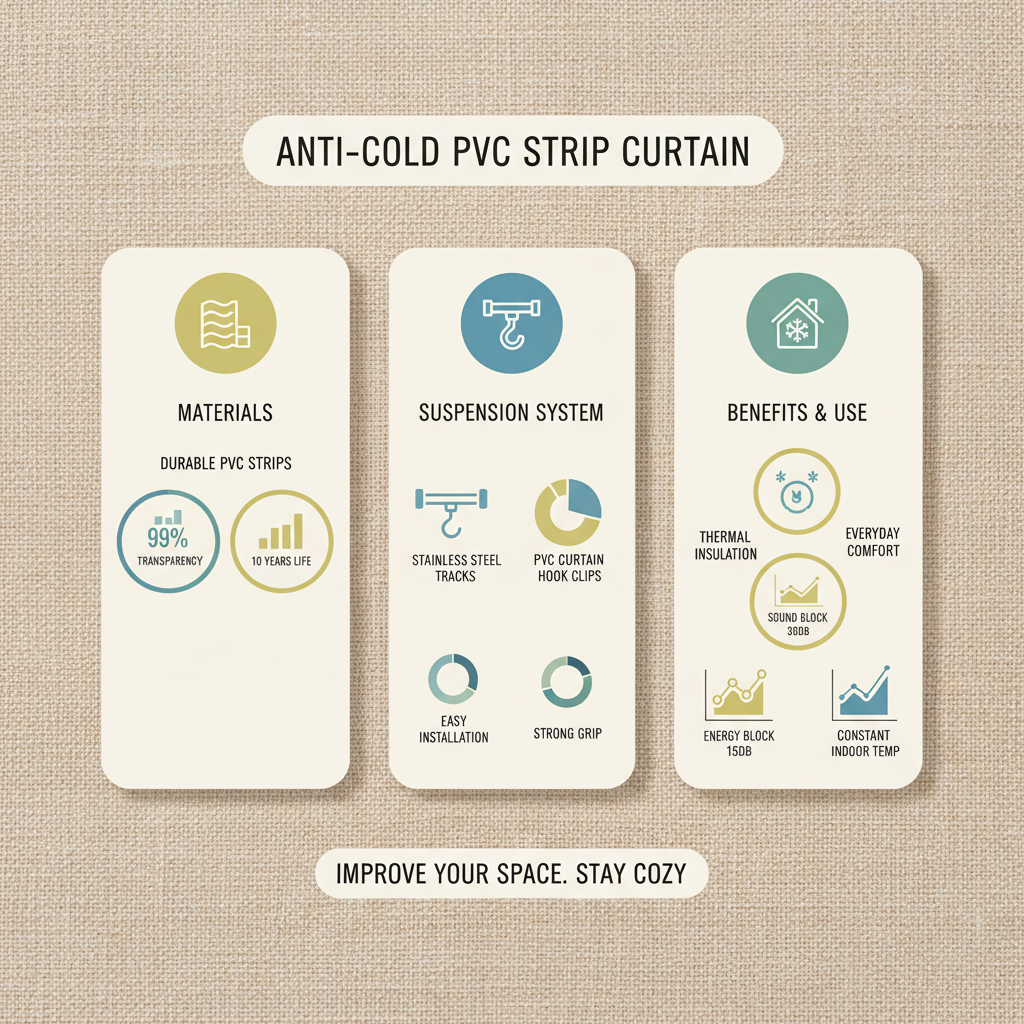
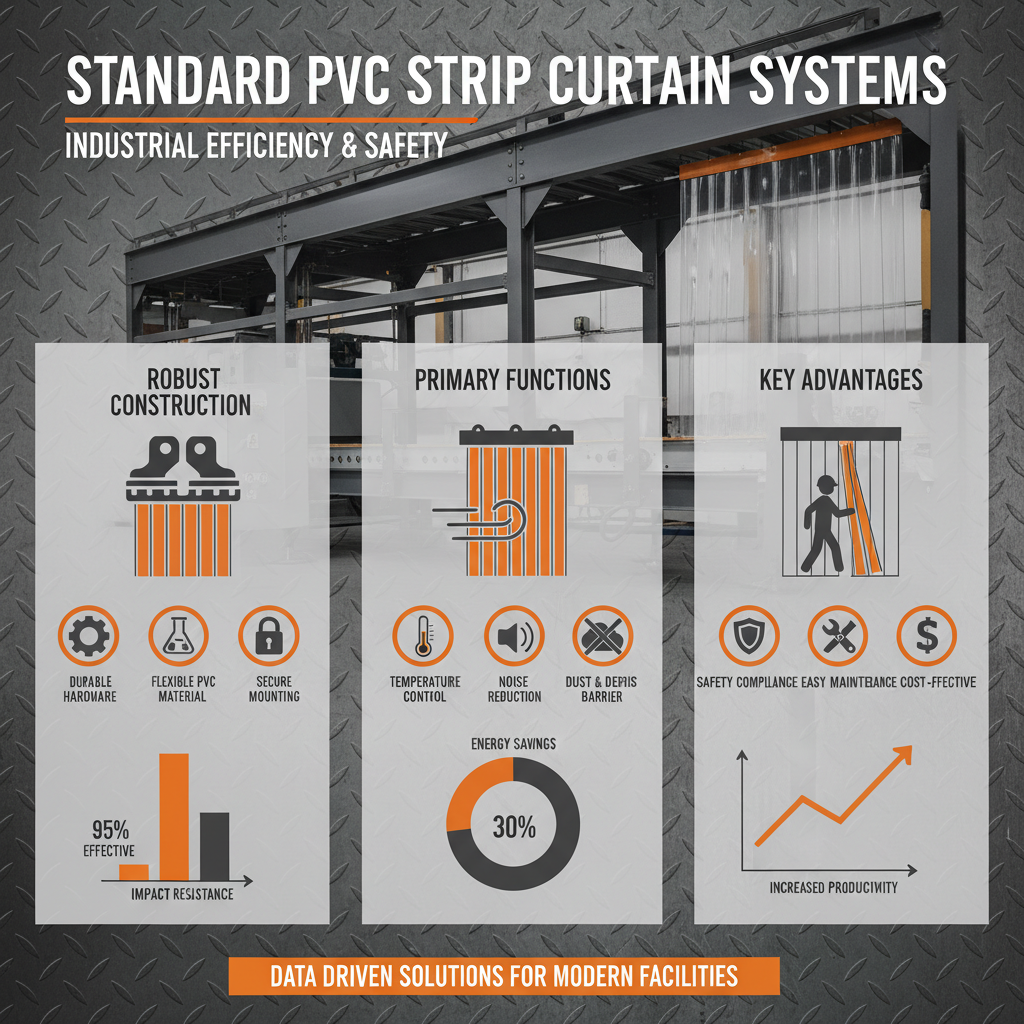
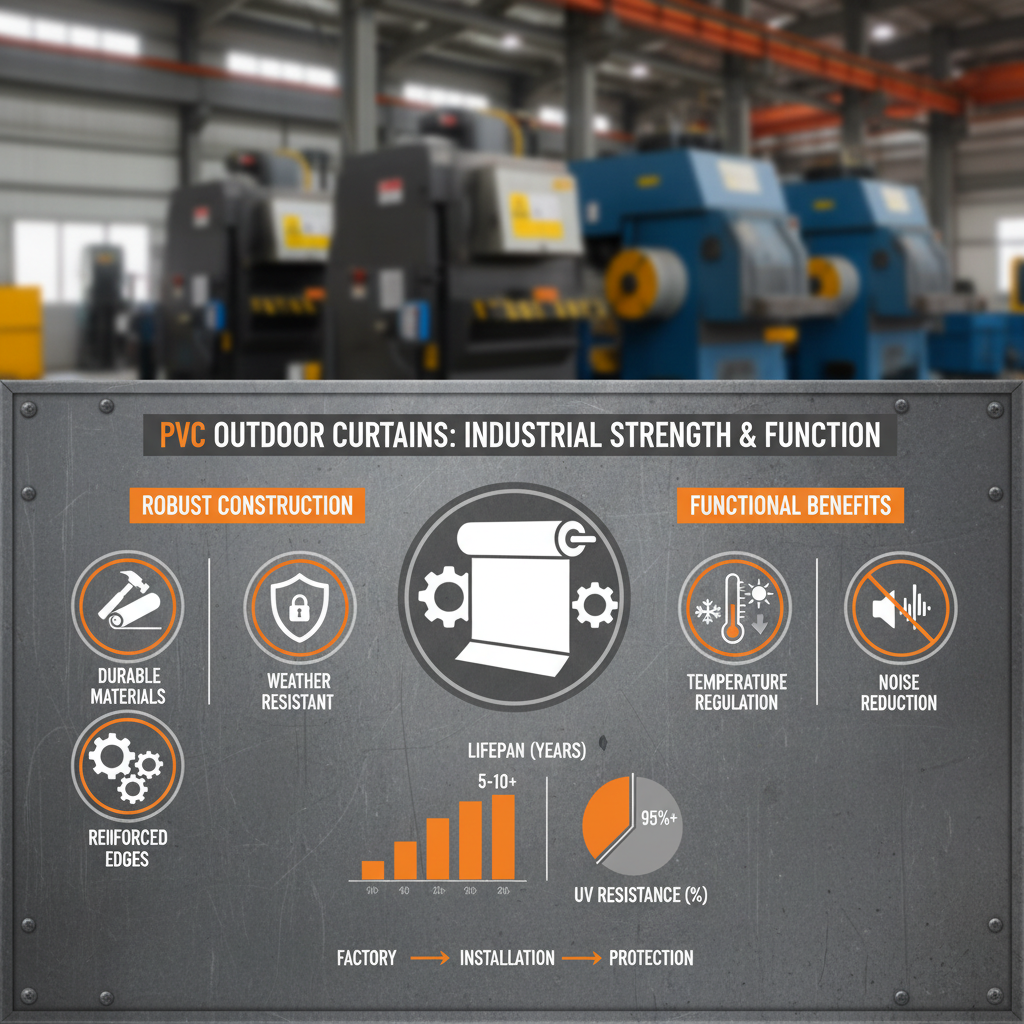
Maintaining strict temperature control in industrial environments is a critical challenge, especially in cold storage and food processing facilities. An anti-cold pvc strip curtain serves as a vital thermal barrier, preventing precious chilled air from escaping while allowing seamless movement of personnel and equipment. By reducing energy loss and preventing frost build-up, these specialized curtains ensure that operational efficiency remains high even in the harshest climates.
Globally, the demand for advanced thermal insulation solutions has surged as industries strive to meet ISO energy efficiency standards and reduce their carbon footprint. Traditional doors often fail to balance accessibility with insulation, leading to significant "thermal leaks" that drive up electricity costs. This is where the implementation of a high-quality anti-cold pvc strip curtain becomes an indispensable asset for facility managers aiming for sustainable climate control.
Understanding the nuances of material science—specifically how PVC is formulated to remain flexible at sub-zero temperatures—is key to choosing the right solution. Unlike standard PVC, which becomes brittle and cracks in the cold, an anti-cold pvc strip curtain is engineered with specific plasticizers that maintain elasticity. This ensures long-term durability and safety, preventing hazardous shattering in high-traffic cold rooms.
Global Industry Context of Anti-Cold PVC Strip Curtains
In the modern global economy, the cold chain industry is the backbone of food security and pharmaceutical distribution. From the frozen seafood hubs in Norway to the vaccine storage centers in Southeast Asia, the need for a reliable anti-cold pvc strip curtain is universal. These systems address the critical problem of temperature fluctuation during the loading and unloading phases of logistics.
Industry data suggests that open warehouse doors can lead to energy losses of up to 30% in refrigerated environments. By integrating a specialized anti-cold curtain, companies can stabilize internal temperatures and adhere to strict health and safety regulations, such as those set by the FDA or European Food Safety Authority, ensuring that perishable goods remain within safe temperature thresholds.
Defining the Anti-Cold PVC Strip Curtain Mechanism
An anti-cold pvc strip curtain is a specialized industrial barrier composed of high-transparency, flexible Polyvinyl Chloride (PVC) strips designed specifically for low-temperature environments. Unlike standard curtains, these are formulated with low-temperature plasticizers that prevent the material from freezing, hardening, or cracking when exposed to temperatures as low as -15°C to -25°C.
From a humanitarian and industrial perspective, these curtains are more than just plastic sheets; they are energy-saving tools. In remote industrial zones where electricity is expensive or unstable, the ability to retain cold air without relying on heavy, slow-moving mechanical doors is a significant advantage. They provide a "passive" insulation layer that works 24/7 without consuming power.
The connection to modern industry lies in the balance of visibility and protection. Because they are crystal clear, they maintain a high level of safety for forklift operators and pedestrians, reducing the risk of collisions while simultaneously acting as a shield against drafts, dust, and insects.
Core Components and Material Factors
The primary factor in the effectiveness of an anti-cold pvc strip curtain is its Low-Temperature Flexibility. This is achieved through the precise chemical blending of polymers that lower the glass transition temperature of the PVC, ensuring the strips remain "rubbery" and pliable even in deep-freeze conditions.
Durability and Tear Resistance are equally critical. An industrial-grade anti-cold pvc strip curtain must withstand constant impact from pallet jacks and trolleys. High-tensile strength additives are integrated into the PVC matrix to prevent rips and ensure that the strips return to their original position after being pushed aside.
Finally, Thermal Conductivity and Clarity play a major role. The thickness of the strip (typically ranging from 2mm to 5mm) is calibrated to optimize the balance between insulation value and ease of passage. The transparency ensures that lighting within the cold room is utilized efficiently, reducing the need for additional electrical lighting.
Practical Applications in Cold Chain Logistics
In real-world contexts, the anti-cold pvc strip curtain is most commonly found in walk-in freezers, blast chillers, and refrigerated transport hubs. For example, in large-scale meat processing plants in North America, these curtains are used to separate the "killing floor" from the "chilling room," ensuring that the precise temperature required for food safety is never compromised.
Beyond food, pharmaceutical warehouses utilize these curtains to protect sensitive biologics and vaccines. In regions with extreme seasonal temperature shifts, such as Northern Europe or Canada, these curtains prevent the condensation that often leads to ice buildup on floors, thereby reducing slip-and-fall accidents for workers.
Performance Comparison of Cold Barrier Methods
Long-Term Value and Sustainability Benefits
The long-term value of investing in an anti-cold pvc strip curtain is primarily seen in the reduction of operational overhead. By minimizing the load on refrigeration compressors, these curtains extend the lifespan of expensive HVAC equipment and significantly lower monthly energy bills. This logical approach to cost-saving is paired with the emotional peace of mind that comes from knowing product spoilage risks are minimized.
From a sustainability angle, reducing energy consumption directly correlates to a lower carbon footprint. Furthermore, high-quality PVC curtains are designed for longevity; they are easy to clean and can be partially replaced (single strip replacement) rather than replacing the entire system, which reduces plastic waste and promotes a more circular economy within the manufacturing sector.
Future Innovations in Thermal PVC Materials
The next generation of anti-cold pvc strip curtain technology is moving toward "smart materials." Research is currently focusing on the integration of antimicrobial additives and UV-resistant coatings, ensuring that curtains in food-grade environments not only maintain temperature but also actively inhibit the growth of bacteria and mold.
Digital transformation is also influencing installation. We are seeing the rise of automated tracking systems that monitor the frequency of curtain openings, providing facility managers with data to optimize warehouse traffic flow and further enhance thermal efficiency.
Moreover, the industry is shifting toward "green PVC," utilizing bio-based plasticizers derived from renewable sources instead of phthalates. This ensures that the anti-cold pvc strip curtain remains compliant with increasingly strict global environmental laws without sacrificing the critical flexibility required for cold-room performance.
Overcoming Implementation Challenges
One common challenge is the "frost-locking" effect, where moisture condenses and freezes the strips together. To solve this, experts recommend the installation of an anti-cold pvc strip curtain with a specific overlap ratio and the use of dehumidifiers in the transition zone to minimize ambient humidity.
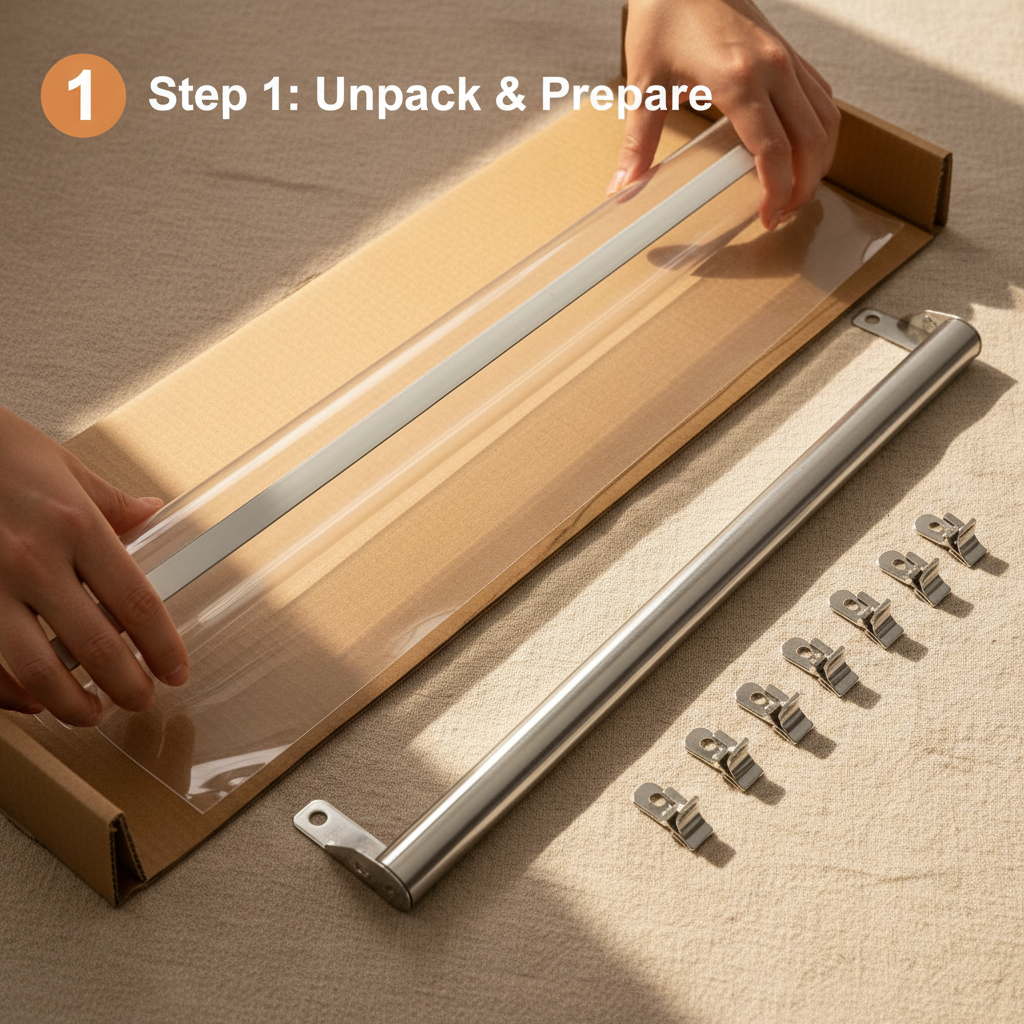
Another limitation is the wear and tear caused by heavy industrial machinery. The solution lies in the selection of the correct strip thickness and the use of reinforced stainless steel hangers (SUS 304) that can withstand the weight and tension of the curtains over thousands of cycles without sagging.
Finally, improper installation can lead to air gaps. Professional installation involving precision measurement and the use of magnetic attachments for a tighter seal can overcome these gaps, ensuring that the anti-cold pvc strip curtain operates at its peak theoretical efficiency.
Technical Analysis of Anti-Cold PVC Strip Curtain Specifications
| Material Grade |
Operating Temperature |
Flexibility Rating |
Recommended Use |
| Standard Cold Grade |
0°C to -15°C |
7/10 |
Refrigerated Warehouses |
| Deep Freeze Grade |
-15°C to -25°C |
9/10 |
Blast Freezers |
| Polar Grade |
Below -25°C |
10/10 |
Cryogenic Storage |
| Anti-Static Cold |
-10°C to -20°C |
8/10 |
Electronic Cold Storage |
| Ribbed Anti-Cold |
-5°C to -20°C |
7/10 |
High-Traffic Loading Docks |
| Reinforced Cold |
-10°C to -25°C |
9/10 |
Heavy Duty Industrial |
FAQS
The primary difference lies in the plasticizer chemistry. Standard PVC becomes rigid and brittle at low temperatures, leading to cracking when pushed. An anti-cold PVC strip curtain is formulated with specific low-temperature additives that keep the material flexible and elastic even in deep-freeze environments, ensuring durability and operational safety.
Thickness depends on the traffic volume and temperature delta. For light pedestrian traffic, 2mm is usually sufficient. For heavy forklift use in deep-freeze areas, 3mm to 5mm is recommended to provide better insulation and higher resistance to physical impact. Always balance insulation needs with the ease of passage for workers.
Yes, by acting as a thermal barrier, an anti-cold PVC strip curtain significantly reduces the amount of warm, moist air entering the cold room. This prevents the condensation that typically freezes on the floor, thereby reducing the risk of ice patches and improving workplace safety.
Depending on the traffic and environment, high-quality curtains can last 3-7 years. However, the beauty of the system is modularity; you don't need to replace the whole curtain. Only the individual strips that become worn or damaged by machinery need to be swapped out, making the long-term maintenance very cost-effective.
Most professional-grade anti-cold PVC strip curtains are manufactured to be non-toxic and compliant with food industry standards. We recommend choosing curtains that specifically mention FDA or EU food-grade compliance if they are being used in direct proximity to uncovered food products.
Yes, it is highly recommended to use SUS 304 stainless steel hangers and rails. Standard galvanized steel may rust over time due to the high humidity and condensation common in cold storage areas. Stainless steel ensures the structural integrity of the curtain system for years to come.
Conclusion
In summary, the anti-cold pvc strip curtain is an essential intersection of material science and industrial utility. By solving the paradox of needing an open doorway for accessibility and a sealed barrier for insulation, these curtains provide a high-ROI solution for any facility managing low-temperature environments. From energy savings and regulatory compliance to worker safety and product integrity, the benefits are comprehensive and measurable.
Looking forward, the integration of eco-friendly polymers and smart monitoring will only increase the value of these systems. For business owners and facility managers, transitioning to specialized anti-cold materials is not just an upgrade—it is a strategic move toward sustainable, efficient, and safe cold chain management. We invite you to optimize your thermal barriers today. Visit our website: www.lfwanmao.com