Anti-UV PVC strip curtains are increasingly vital in a world facing heightened UV radiation and demanding industrial safety standards. These curtains offer a cost-effective and efficient solution for controlling environmental factors within various spaces, from warehouses and food processing plants to welding facilities and healthcare settings. The growing awareness of the harmful effects of prolonged UV exposure, combined with stricter workplace regulations, is driving the global demand for these protective barriers.
The versatility of anti-UV PVC strip curtains stems from their ability to isolate areas, maintain temperature control, reduce energy costs, and, crucially, shield against harmful UV rays. They’re not simply a barrier but an integral part of a comprehensive safety and efficiency strategy. This makes them particularly relevant in industries where product integrity and employee well-being are paramount.
Understanding the specific properties and applications of anti-UV PVC strip curtains is crucial for businesses aiming to optimize their operational environment. Choosing the right type of curtain – based on UV protection levels, material thickness, and width – directly impacts performance and longevity. We will explore these aspects and more in the following sections.
Defining Anti-UV PVC Strip Curtains
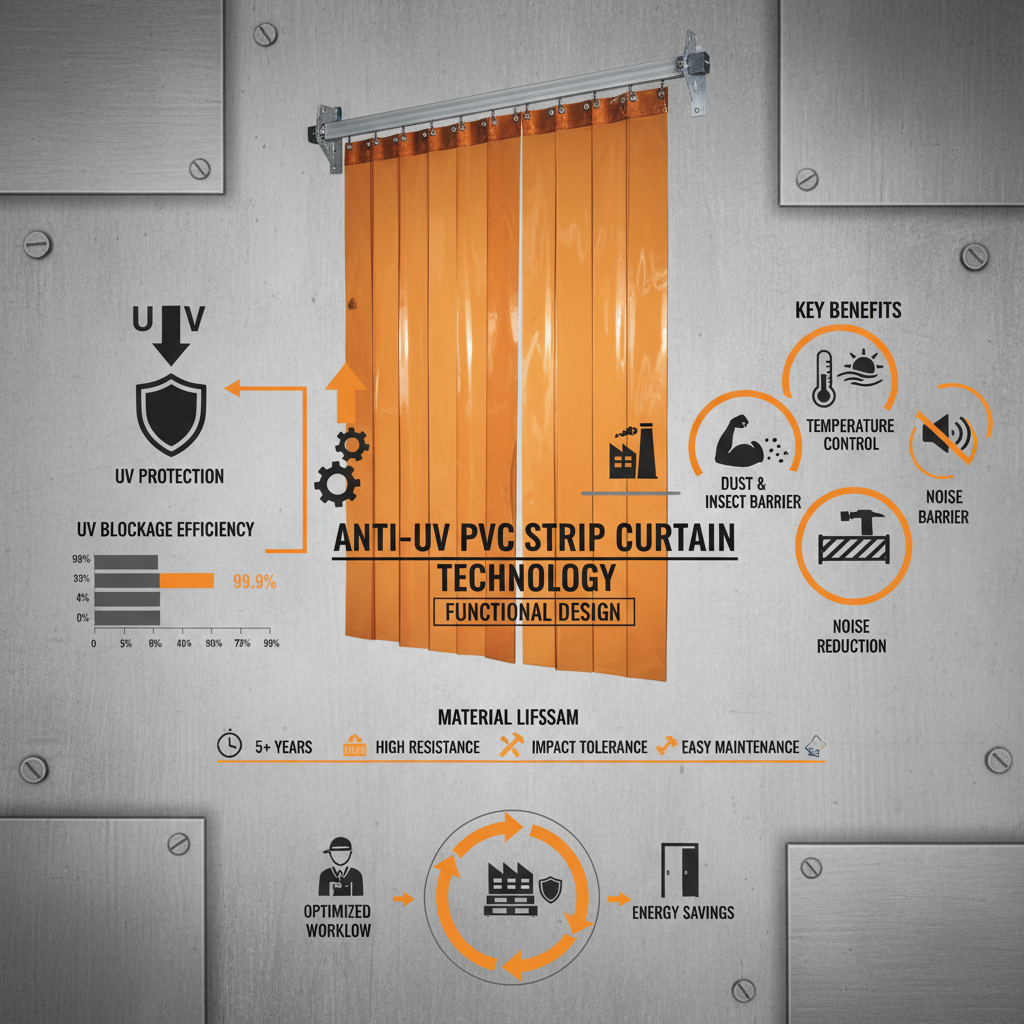
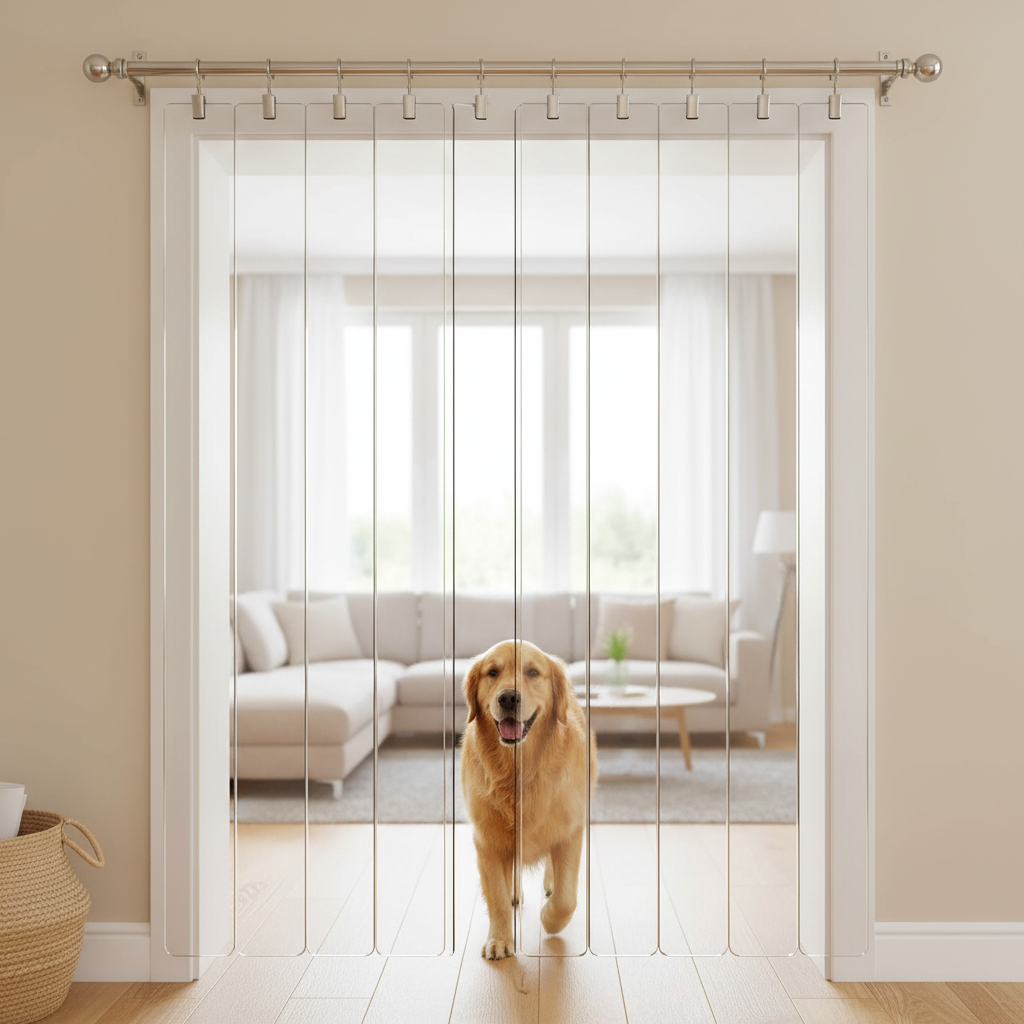
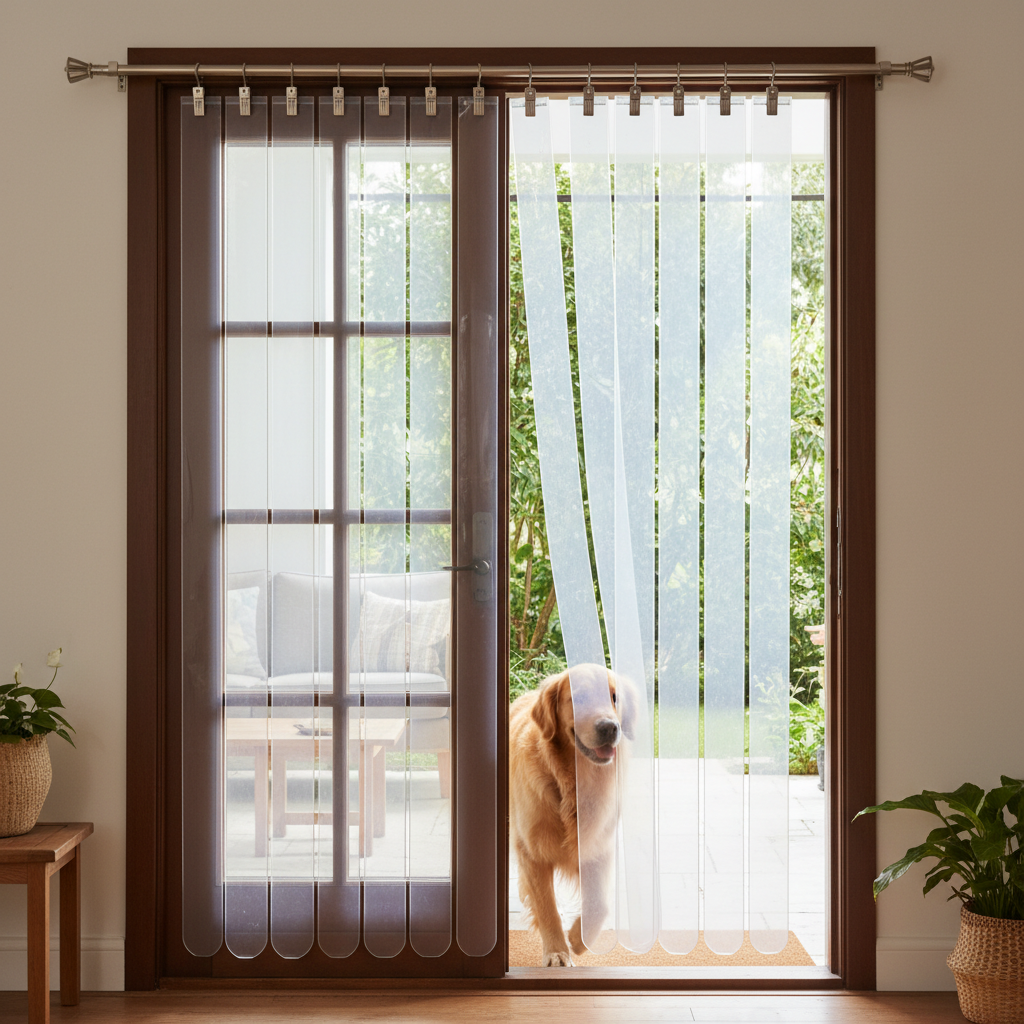
Anti-UV PVC strip curtains are flexible barriers constructed from polyvinyl chloride (PVC) material infused with ultraviolet (UV) stabilizers. These stabilizers prevent the degradation of the PVC caused by prolonged exposure to sunlight and other sources of UV radiation. The strips are typically hung vertically, overlapping to create a transparent or translucent barrier that allows light transmission while blocking UV rays.
Their primary function extends beyond UV protection; they also assist in temperature control, noise reduction, dust containment, and employee safety. This makes them indispensable in industries like food processing, pharmaceuticals, welding, and manufacturing where maintaining a clean and controlled environment is crucial. You can find various options at anti-uv pvc strip curtain suppliers.
Global Relevance and Industry Context
The global market for PVC strip curtains, including the anti-UV variant, is experiencing steady growth. According to industry reports, the demand is fueled by increasing industrialization, stringent safety regulations, and a growing awareness of health hazards associated with UV exposure. The Asia-Pacific region currently dominates the market due to its large manufacturing base, but North America and Europe are significant consumers as well.
The UN Sustainable Development Goals (SDGs) emphasize the importance of safe and healthy working conditions (SDG 8) and responsible consumption and production (SDG 12). Anti-UV PVC strip curtains contribute to these goals by reducing worker exposure to harmful radiation and minimizing energy loss through temperature control, promoting more sustainable industrial practices.
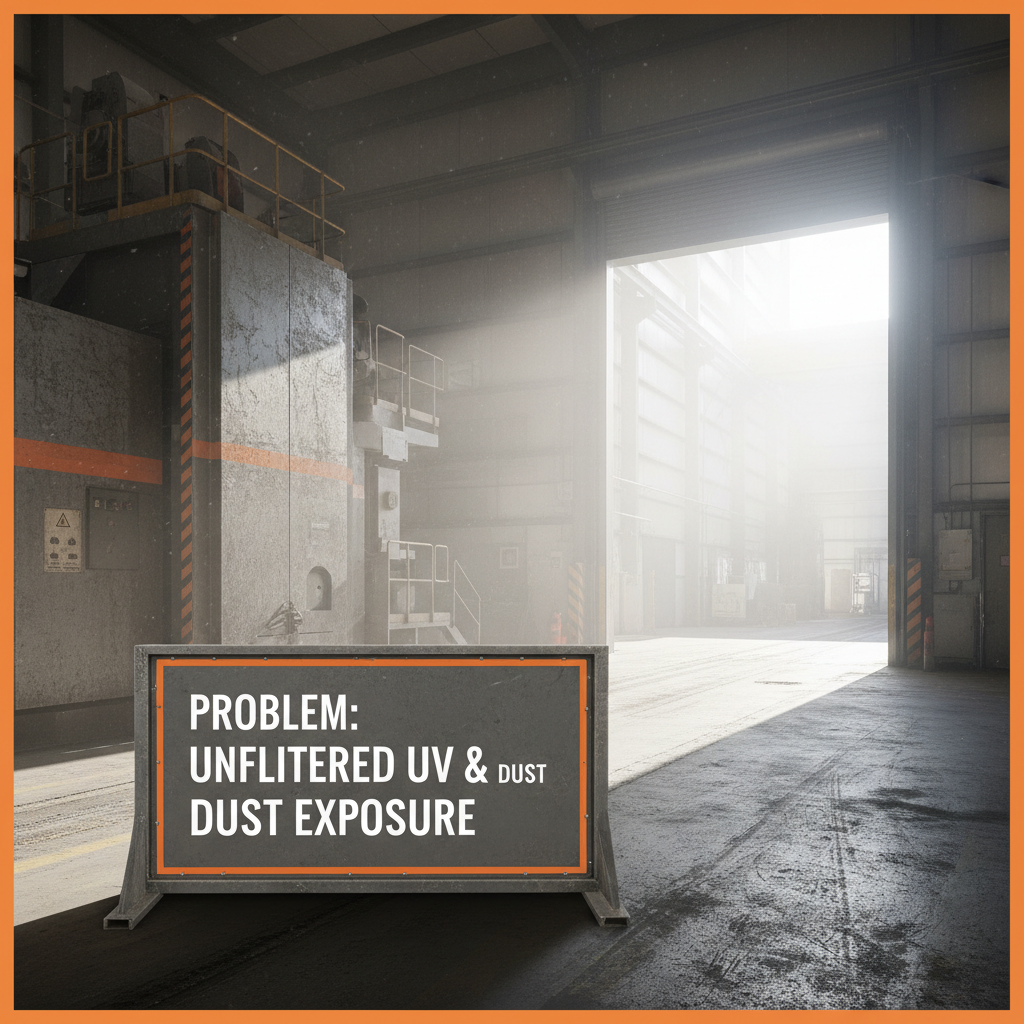
A key challenge addressed by these curtains is the need to balance operational efficiency with worker safety. Many industries traditionally relied on solid doors or no barriers at all, leading to energy waste and potential UV exposure. Anti-UV PVC strip curtains offer a flexible solution that mitigates these issues without significantly disrupting workflow.
Key Components & Characteristics
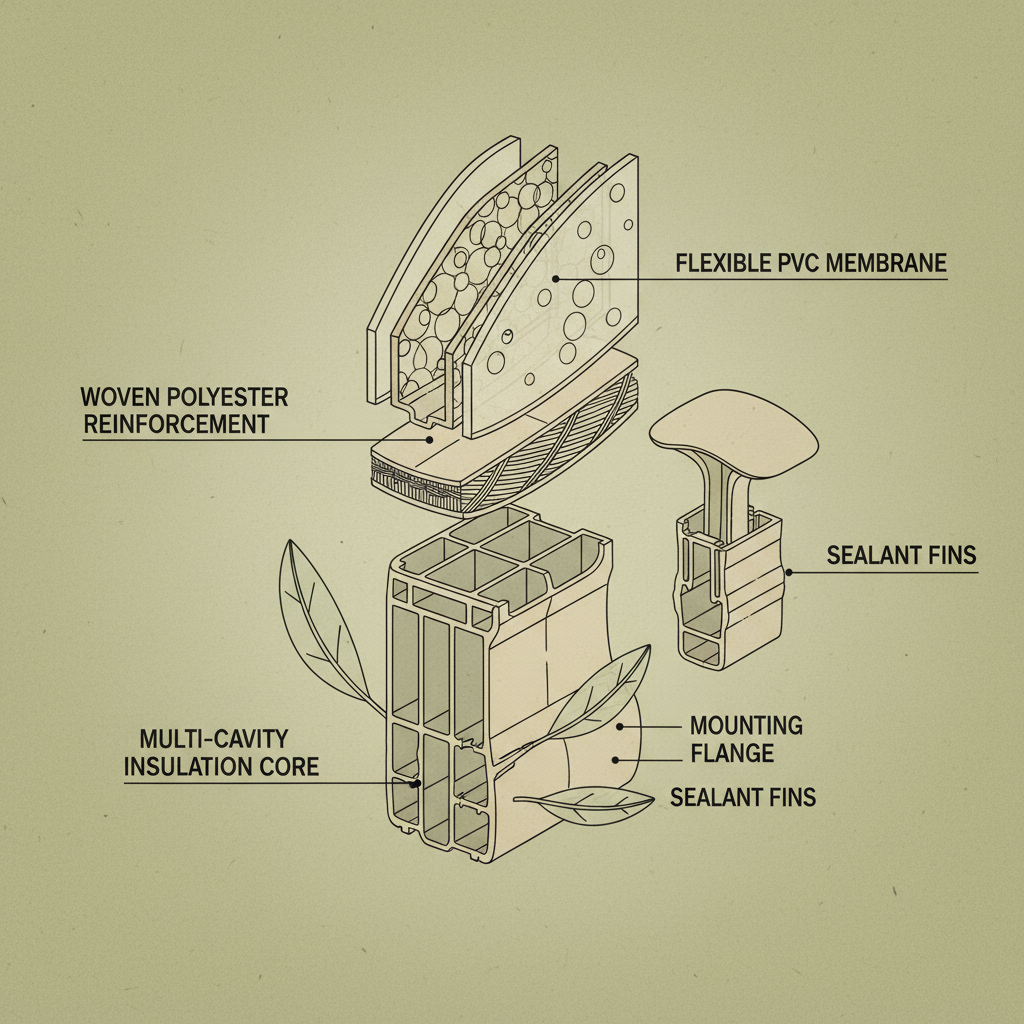
The core component of these curtains is, of course, the PVC material. However, not all PVC is created equal. The quality of the PVC resin, the type and concentration of UV stabilizers added during manufacturing, and the thickness of the strips all significantly impact the curtain's performance and lifespan. Higher quality PVC provides greater clarity, durability, and UV resistance.
UV stabilizers are the critical element that differentiates standard PVC strip curtains from their anti-UV counterparts. These stabilizers absorb or reflect UV radiation, preventing the PVC from becoming brittle, discolored, or degraded. Common types include hindered amine light stabilizers (HALS) and UV absorbers. The specific combination and concentration are determined by the intended application and level of UV exposure.
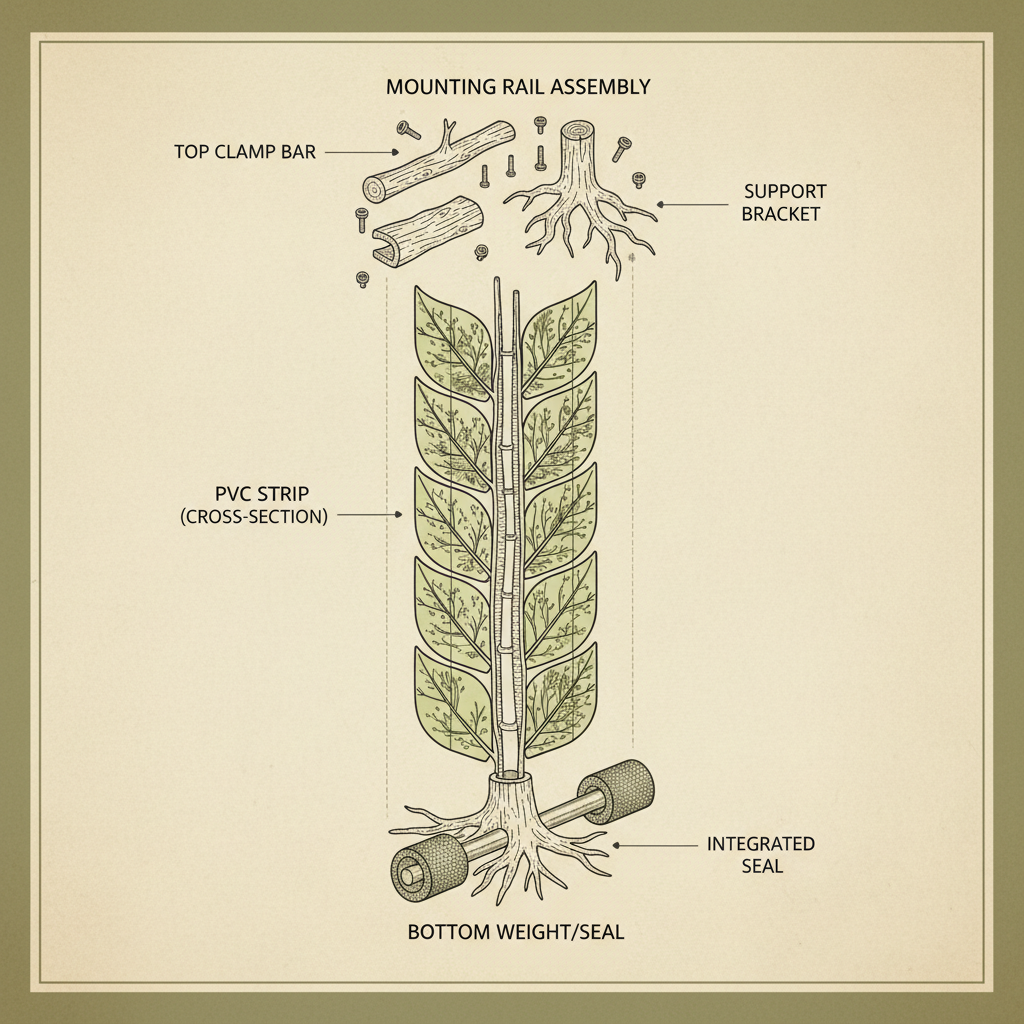
Additional characteristics to consider include the strip width, overlap, and mounting hardware. Wider strips offer greater coverage, while a higher degree of overlap ensures better sealing and insulation. The mounting system should be robust and corrosion-resistant, ensuring the curtains remain securely in place over time. Finding a reliable provider like anti-uv pvc strip curtain is vital.
Performance Metrics of Anti-UV PVC Strip Curtains
Evaluating the effectiveness of anti-UV PVC strip curtains requires considering several key performance metrics. UV transmission rate is arguably the most important, indicating the percentage of UV radiation that penetrates the curtain material. Lower transmission rates equate to better protection. Another crucial metric is tensile strength, which measures the curtain's resistance to tearing and abrasion.
Durability, measured in terms of lifespan under typical operating conditions, is also a critical factor. Factors impacting durability include UV exposure levels, temperature fluctuations, and frequency of use. Material thickness plays a significant role, with thicker strips generally offering greater longevity.
Comparative Performance of Anti-UV PVC Strip Curtain Materials
Applications Across Diverse Industries
The versatility of anti-UV PVC strip curtains makes them applicable across a broad spectrum of industries. In the food processing industry, they maintain sanitary conditions by preventing contamination from insects and dust while providing UV protection for sensitive products. Pharmaceutical companies utilize them to create controlled environments for manufacturing and packaging.
Welding facilities benefit from their ability to contain sparks and fumes, protecting workers from hazardous materials and minimizing fire risks. Healthcare facilities use them to isolate areas and maintain sterile conditions, reducing the spread of infections. Warehouses and logistics centers employ them for temperature control and energy efficiency. You can even find specialized solutions like those offered at anti-uv pvc strip curtain to meet specific industry needs.
Benefits and Long-Term Value Proposition
The advantages of investing in anti-UV PVC strip curtains extend beyond immediate operational improvements. Cost savings are a primary benefit, stemming from reduced energy consumption due to improved temperature control. The enhanced safety provided by UV protection and containment of hazardous materials minimizes the risk of worker injuries and associated costs.
Furthermore, these curtains contribute to a more sustainable operation by reducing energy waste and minimizing the need for frequent replacements, especially when utilizing high-quality materials. The increased employee comfort and productivity resulting from a safer and more controlled work environment further enhance the long-term value proposition.
Future Trends and Material Innovations
The future of anti-UV PVC strip curtains is likely to be shaped by advancements in materials science and a growing emphasis on sustainability. Research is underway to develop even more effective UV stabilizers and explore the use of recycled PVC materials. The integration of smart technology, such as sensors to monitor temperature and UV levels, could further enhance their functionality.
Biodegradable PVC alternatives are also being investigated, although challenges remain in achieving comparable performance and cost-effectiveness. The increasing demand for customized solutions, tailored to specific industrial needs, will drive innovation in design and manufacturing processes.
Expect to see a greater emphasis on transparency and traceability in the supply chain, ensuring the responsible sourcing and production of these materials.
FAQS
The lifespan of an anti-UV PVC strip curtain varies depending on the intensity of UV exposure, temperature fluctuations, and the quality of the material. Generally, a well-maintained curtain made from high-quality PVC with effective UV stabilizers can last between 3 to 7 years. Regular cleaning and inspection can extend its lifespan. Choosing a reliable supplier like anti-uv pvc strip curtain can guarantee a longer-lasting product.
Anti-UV PVC strip curtains are designed to significantly reduce UV transmission. The effectiveness is measured by UV transmission rate, with lower percentages indicating better protection. High-quality curtains can block up to 99% of harmful UV rays. However, the level of protection also depends on the thickness of the strips and the concentration of UV stabilizers in the PVC material.
While anti-UV PVC strip curtains offer UV protection, they are generally not designed for prolonged, direct outdoor exposure. Extended exposure to the elements, such as rain, wind, and extreme temperatures, can degrade the material over time. They are best suited for indoor or covered outdoor applications.
Anti-UV PVC strip curtains are relatively easy to clean. Regular cleaning with mild soap and water is usually sufficient. Avoid using abrasive cleaners or solvents, as they can damage the PVC material. Periodic inspection for tears or damage is also recommended to ensure optimal performance.
Installation typically involves mounting a track or rail system to the opening and then hanging the PVC strips from the track. Proper alignment and overlapping of the strips are crucial for optimal performance. For larger installations or complex configurations, professional installation is recommended. Many suppliers, including anti-uv pvc strip curtain, offer installation services.
Yes, anti-UV PVC strip curtains are available in a variety of colors and widths to suit different aesthetic and functional requirements. Common colors include clear, amber, blue, and green. The width of the strips typically ranges from 200mm to 300mm. Choosing the right color and width depends on factors like visibility, temperature control needs, and desired level of privacy.
Conclusion
In conclusion, anti-UV PVC strip curtains represent a practical and cost-effective solution for a wide range of industrial and commercial applications. They provide essential UV protection, enhance safety, improve temperature control, and contribute to more sustainable operations. The benefits extend beyond immediate operational efficiencies, offering long-term value through reduced energy costs, minimized risk, and improved worker well-being.
As technology advances and environmental concerns grow, we can expect to see further innovation in materials and designs, making these curtains even more effective and sustainable. Investing in high-quality anti-UV PVC strip curtains is a strategic move for any organization committed to creating a safe, efficient, and environmentally responsible work environment. To explore tailored solutions for your specific needs, visit our website: www.lfwanmao.com.