Look, I’ve spent the last fifteen years knee-deep in dust and concrete, watching things get built. And I'll tell you, controlling access and keeping things clean on a job site? It's a constant battle. That's where a good magnetic strip door curtain system comes in. It's not just about convenience, it's about safety, efficiency, and frankly, keeping the weather out when you’re trying to hit a deadline. We’ve moved beyond the days of flapping plastic sheeting – this is a practical solution for modern construction.
I’ve seen these things make a huge difference. Think about a multi-stage build. You need to section off areas, control dust migration between phases, and allow access for specific teams. Trying to rig that with tarps and rope? Forget about it. It's time-consuming, unreliable, and creates a hazard. A well-installed magnetic strip door curtain allows for quick, easy access, while still maintaining a contained environment.
Honestly, the biggest surprise for me initially wasn’t just the convenience. It was the impact on material waste and overall cleanliness. Less dust means less cleanup, less material contaminated, and a more professional looking site. And in this business, first impressions matter – for inspections, client walkthroughs, everything. Investing in a quality system upfront pays dividends down the line.
The Role of Magnetic Strip Door Curtains in Construction
From my experience, the construction industry is always looking for ways to boost efficiency and maintain site safety. Magnetic strip door curtains aren’t a flashy innovation, but they’re incredibly effective in addressing those needs. They offer a flexible, rapidly deployable solution for controlling access points without the hassle of traditional barriers. Think of it as a ‘soft barrier’ that provides a visual and physical separation.
The real value comes from the ability to quickly adapt to changing site conditions. A construction project is dynamic. Areas get opened and closed, phases shift, and the needs of different teams evolve. With these curtains, you don’t need to rebuild walls or spend hours reconfiguring barriers. You just open and close the strips as needed.
Defining Magnetic Strip Door Curtain Systems
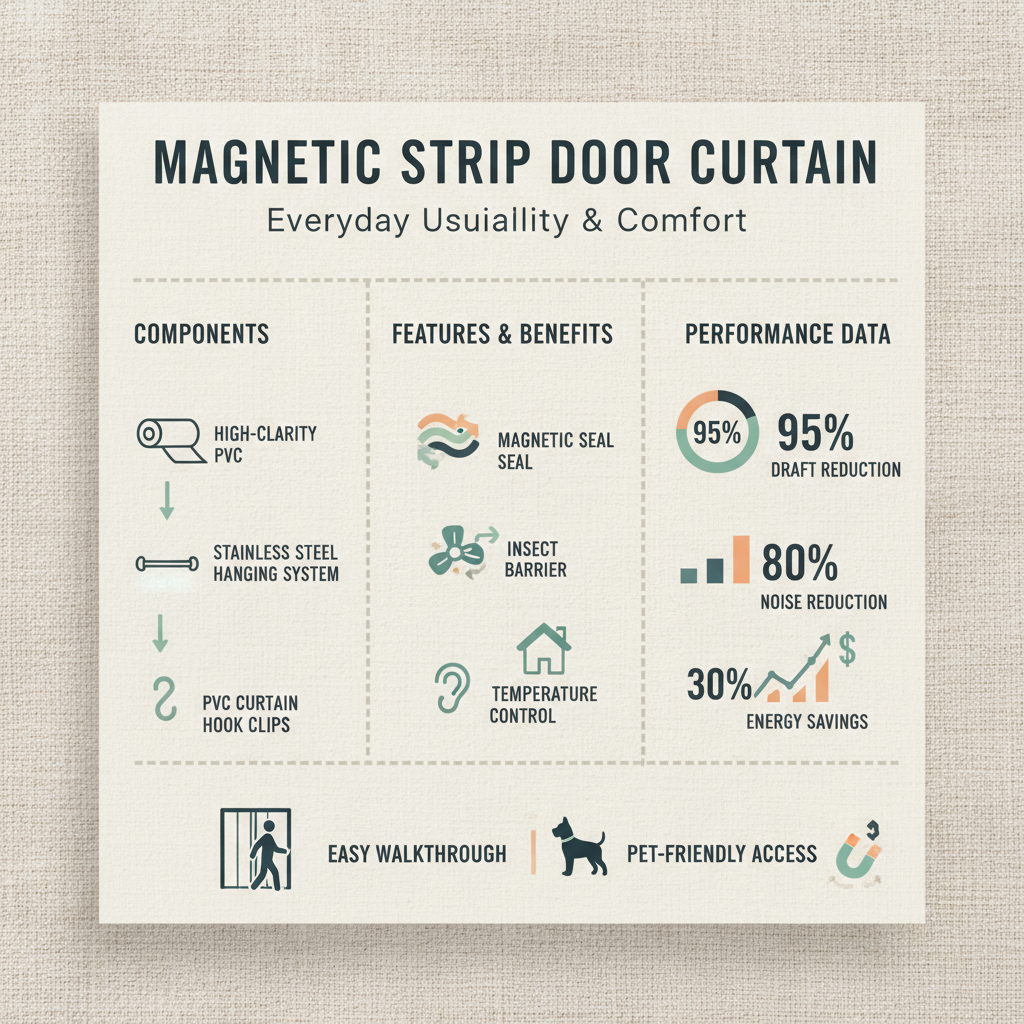
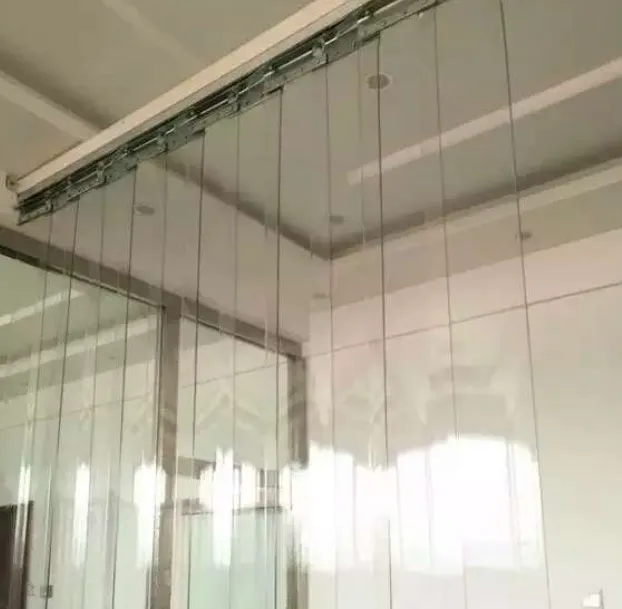
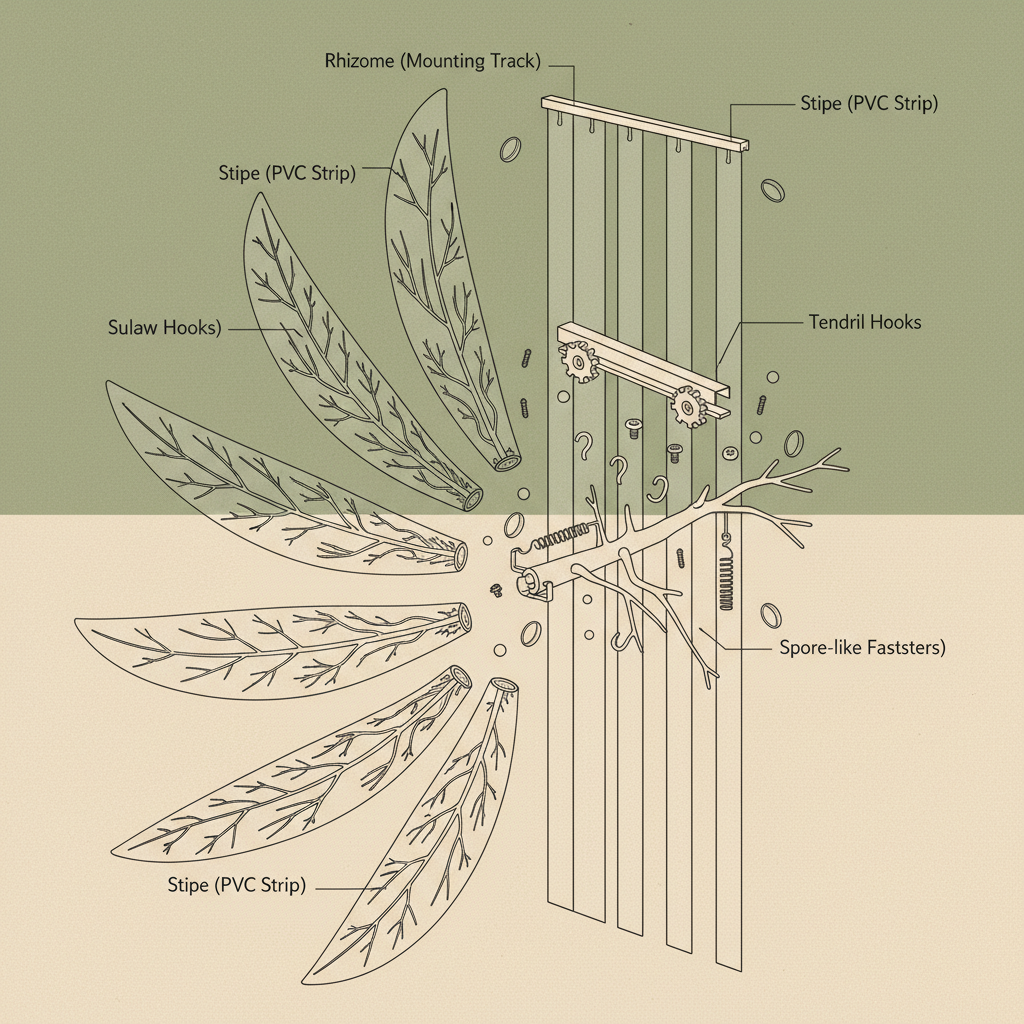
Basically, a magnetic strip door curtain system consists of overlapping strips of durable material – usually PVC – hung from a frame. The strips are designed to close automatically after someone passes through, creating a barrier. The ‘magnetic’ part comes from the strips overlapping and using magnetic force to snap back into position. It’s a simple concept, but the execution and material quality make all the difference.
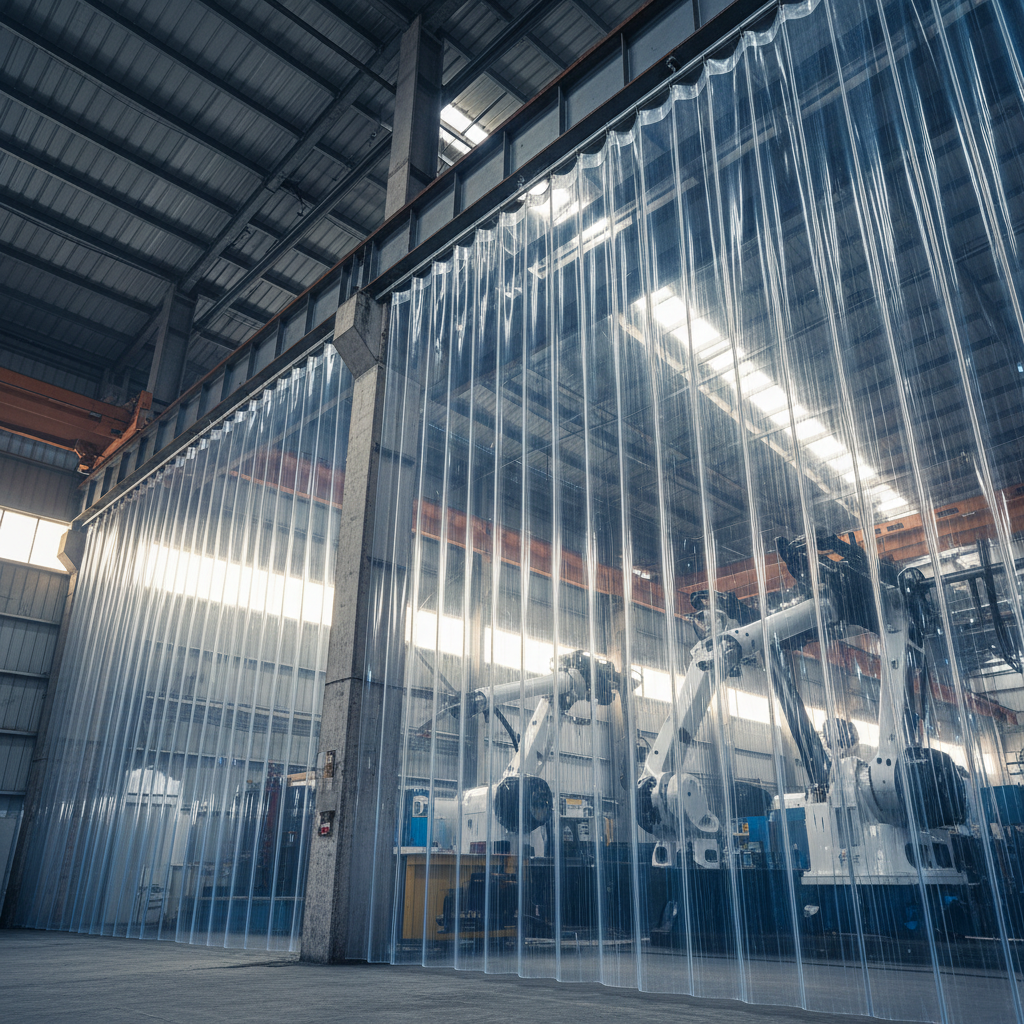
There are different levels of systems, from basic residential options to heavy-duty industrial versions. The industrial ones are what you'll find on construction sites. They're built to withstand constant use, temperature fluctuations, and the general wear and tear of a busy environment. You’ll see variations in strip thickness, frame material (aluminum is common), and the mounting system.
They directly address the need for a versatile and cost-effective access control solution on construction sites. They're significantly cheaper and faster to install than permanent walls or doors, and they require minimal maintenance. This ties directly into project budget and timelines – critical factors in any construction endeavor.
Key Features and Components of Effective Systems
Durability is paramount. I've seen systems that fall apart after a few months of use. Look for heavy-gauge PVC strips that can withstand impacts and abrasion. The frame needs to be robust, ideally aluminum, and the mounting hardware has to be corrosion-resistant – especially if it’s exposed to the elements. A flimsy system is just a waste of money.
Another crucial factor is the magnetic strength. You want strips that close reliably, but not so forcefully that they pinch fingers. There’s a sweet spot, and a reputable manufacturer will have tested their systems to ensure safety and functionality. Also, consider the strip width. Wider strips offer better coverage and are less likely to get damaged.
Finally, think about customization. Can you easily adjust the strip configuration? Are there options for different strip colors or thicknesses? Being able to tailor the system to your specific needs is a huge advantage. For instance, you might want clear strips for visibility or colored strips to designate different zones.
Global Applications and Real-World Use Cases
I’ve seen these systems implemented on projects all over the place – from high-rise construction in Dubai to large-scale industrial builds in the US. They’re particularly useful in environments where dust control is critical, like pharmaceutical manufacturing or data centers.
In post-disaster relief operations, they’ve been used to quickly create temporary shelters and contain contaminated areas. And in remote industrial zones, they provide a secure and efficient access control solution where permanent structures are impractical.
We used a system extensively on a hospital renovation project. We needed to isolate different wings while maintaining access for medical staff and patients. The magnetic strip curtains allowed us to do that efficiently and with minimal disruption to ongoing operations.
Construction Site Access Control: Magnetic Strip Curtain Performance
Advantages and Long-Term Value Proposition
The cost savings are significant. Less material waste, reduced cleanup time, and faster project completion all contribute to a better bottom line. It’s not just about the initial purchase price; it’s about the total cost of ownership. And frankly, the safety aspect is invaluable.
The biggest win, for me, is the increased efficiency. Teams can move freely between zones without wasting time opening and closing traditional doors or dealing with cumbersome barriers. This translates to more productive work hours and a faster project turnaround.
Future Trends and Innovations in Access Control
I’m seeing a push towards integrating these systems with smart technology. Things like access control sensors, automated opening/closing mechanisms, and even environmental monitoring are starting to appear. The goal is to create a more intelligent and responsive access control solution.
We're also seeing more sustainable materials being used in the manufacturing process. PVC isn’t exactly eco-friendly, so manufacturers are exploring alternatives like recycled materials and biodegradable polymers. This aligns with the growing demand for green building practices.
I expect to see more customization options as well, allowing for greater flexibility and adaptability to specific project requirements. We're moving beyond the 'one-size-fits-all' approach to access control.
Challenges and Practical Solutions
The biggest challenge is proper installation. If the system isn’t installed correctly, it won’t function properly. You need to ensure the frame is level and secure, and the strips are aligned correctly. I always recommend using a qualified installer.
Another issue is maintenance. The strips can get dirty or damaged over time, so they need to be cleaned and replaced as needed. Regular inspections are essential to identify potential problems before they escalate.
Finally, you need to consider the environment. In harsh weather conditions, the strips can become brittle or crack. Choosing a system that’s specifically designed for outdoor use is crucial.
Summary of Key Considerations for Magnetic Strip Door Curtain System Selection
| System Durability |
Installation Complexity |
Maintenance Requirements |
Cost-Effectiveness |
| High-gauge PVC and robust frame materials ensure long-term resistance to wear and tear. |
Generally straightforward, but requires precise alignment and secure mounting for optimal performance. |
Routine cleaning and occasional strip replacement are needed to maintain functionality and hygiene. |
Offers a balance of initial investment and long-term savings through reduced cleanup and waste. |
| Impact resistance is crucial for high-traffic areas, minimizing damage and downtime. |
Professional installation is recommended to guarantee correct setup and adherence to safety standards. |
Regular inspections can identify and address minor issues before they lead to major repairs or replacements. |
Lower total cost of ownership compared to permanent barriers or doors, considering labor and material costs. |
| Corrosion-resistant hardware is essential for outdoor applications or environments with high humidity. |
Clear instructions and proper tools can simplify the installation process for experienced personnel. |
Consider strip replacement schedules based on usage and environmental conditions to maximize lifespan. |
Reduced energy loss compared to open doorways, contributing to lower heating and cooling costs. |
| UV resistance prevents fading and degradation of the strips in direct sunlight. |
Proper anchoring to the surrounding structure is vital for stability and preventing accidental dislodgement. |
Utilize appropriate cleaning agents to avoid damaging the PVC material or compromising its magnetic properties. |
Minimized downtime due to quick and easy access, improving overall project efficiency. |
| Magnetic strength should be carefully chosen to balance secure closure with ease of access. |
Ensure compliance with local building codes and safety regulations during installation. |
Implement a preventative maintenance plan to address potential issues proactively. |
Reduced labor costs associated with installing and maintaining traditional barriers. |
| Flexibility in strip width and material allows for customization to specific needs. |
Training personnel on proper system operation and maintenance is essential for long-term performance. |
Invest in high-quality components to ensure lasting performance and reduce the need for frequent replacements. |
Enhanced safety by clearly delineating work zones and minimizing potential hazards. |
FAQS
A well-maintained system, using high-quality materials, should last anywhere from 2-5 years on a construction site. However, that’s heavily dependent on traffic volume, environmental conditions, and how well it's cared for. Regular cleaning and prompt replacement of damaged strips are key. I’ve seen some last longer with diligent maintenance. Don’t skimp on quality to save a few bucks upfront – it’ll cost you more in the long run.
That’s a good question. The PVC material can become brittle in extreme cold and more pliable in extreme heat. Look for systems specifically rated for the temperature range you’ll be operating in. Some manufacturers offer specialized formulations that are designed to withstand wider temperature fluctuations. Proper installation and tensioning are also important to prevent warping or cracking.
The main concern is potential pinching. Strips should close with enough force to create a barrier but not enough to injure someone. A good system will have a controlled closing speed. Also, proper training for workers is crucial. They need to be aware of the closing mechanism and pass through carefully. Avoid running through them!
Regular cleaning with mild soap and water is best. Avoid harsh chemicals or abrasive cleaners, as these can damage the PVC. Inspect the strips regularly for tears, cracks, or other damage. Replace any damaged strips immediately. Also, check the mounting hardware to ensure it’s secure. And don’t forget to lubricate the hinges periodically.
Absolutely. That’s one of their biggest benefits. They create a physical barrier that helps contain dust, debris, and other airborne particles. This is particularly important when working with hazardous materials or in areas where cleanliness is critical. Combined with proper ventilation and dust control measures, these curtains can significantly improve air quality on the site.
Installation costs vary depending on the size and complexity of the system, as well as labor rates in your area. A basic system can cost a few hundred dollars to install, while a more complex, customized system can cost several thousand. Factor in the cost of the materials, labor, and any necessary permits. Getting quotes from multiple installers is always a good idea.
Conclusion
So, there you have it. Magnetic strip door curtains aren't some fancy, high-tech solution, but they're incredibly practical. They offer a simple, cost-effective way to improve safety, efficiency, and cleanliness on any construction site. They’re a tool, and like any tool, the value comes from choosing the right one for the job and using it properly.
Investing in a quality system and ensuring proper installation and maintenance will pay dividends in the long run. Don’t underestimate the impact of these seemingly small additions – they can make a big difference in the overall success of your project. If you're looking for a way to streamline your operations and keep your site running smoothly, I highly recommend considering them. Visit our website: www.lfwanmao.com.