0%

Table of Contents

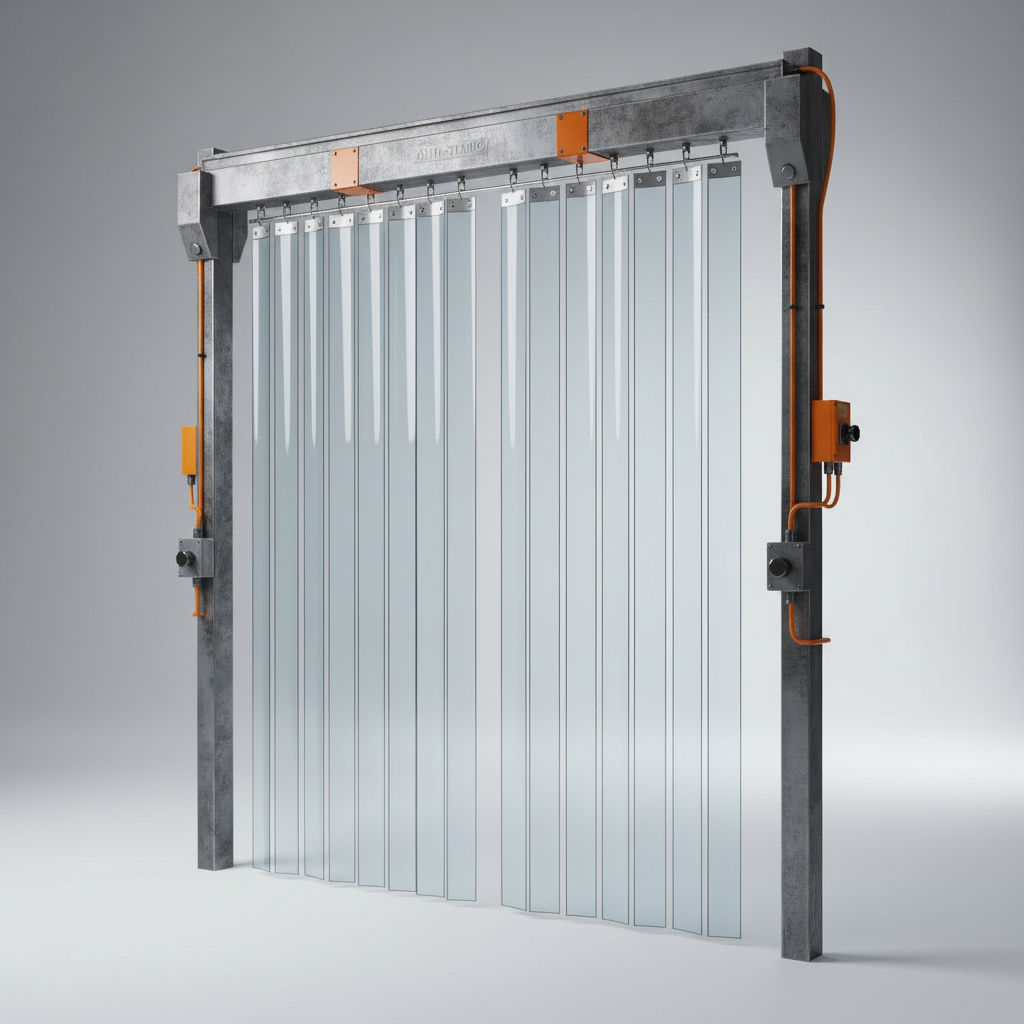
You know, these pvc door curtain things… been seeing a lot of changes lately. Everyone’s talking about energy efficiency, which, honestly, is good. Been dealing with this stuff for twenty years, you see the waste, you feel the drafts. Used to be, a door was just a door. Now it’s gotta have a U-factor and an air leakage rating. Makes things more complicated, but, well, progress, right?

Have you noticed how everyone’s chasing the ‘seamless’ look? They want these curtains to disappear. It sounds good on paper, but… it’s a pain. The tolerances are insane. A tiny bit of give in the frame, and the whole thing wrinkles. I encountered this at the Guangzhou furniture expo last time. Beautiful display, completely ruined by a slightly uneven floor. A fraction of a millimeter threw everything off.

And don’t even get me started on the material. It's all PVC, of course, but there’s PVC and then there’s PVC. Some of this cheap stuff smells awful when you weld it. Really acrid. Makes your eyes water. You can tell the good stuff though. It’s got a bit of weight to it, doesn't feel brittle. Smells… well, not good, exactly, but less like burning tires. We're mostly using the reinforced PVC these days, the kind with a woven mesh inside. Adds strength, helps prevent tearing. It’s a bit harder to cut cleanly, but worth the extra effort. That mesh… it’s usually fiberglass. Feels kinda scratchy, always gotta wear gloves.
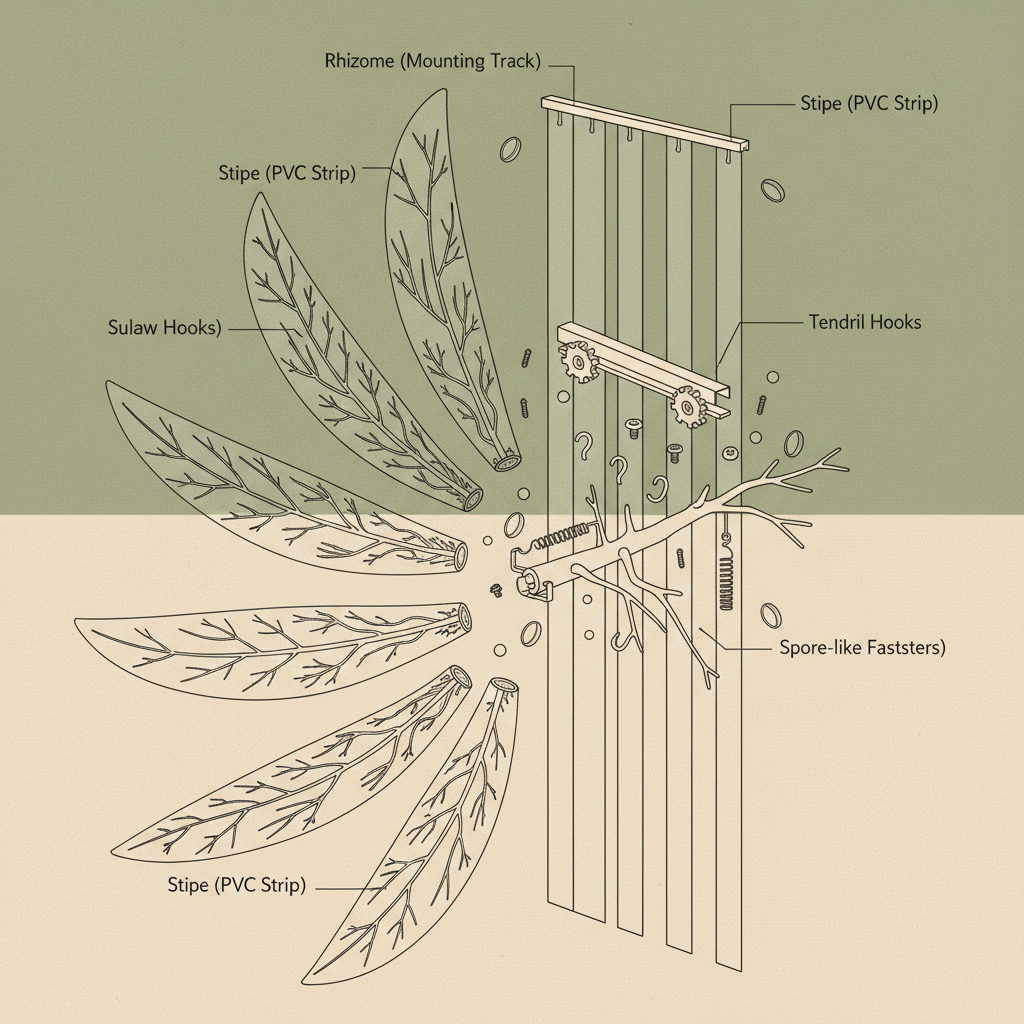
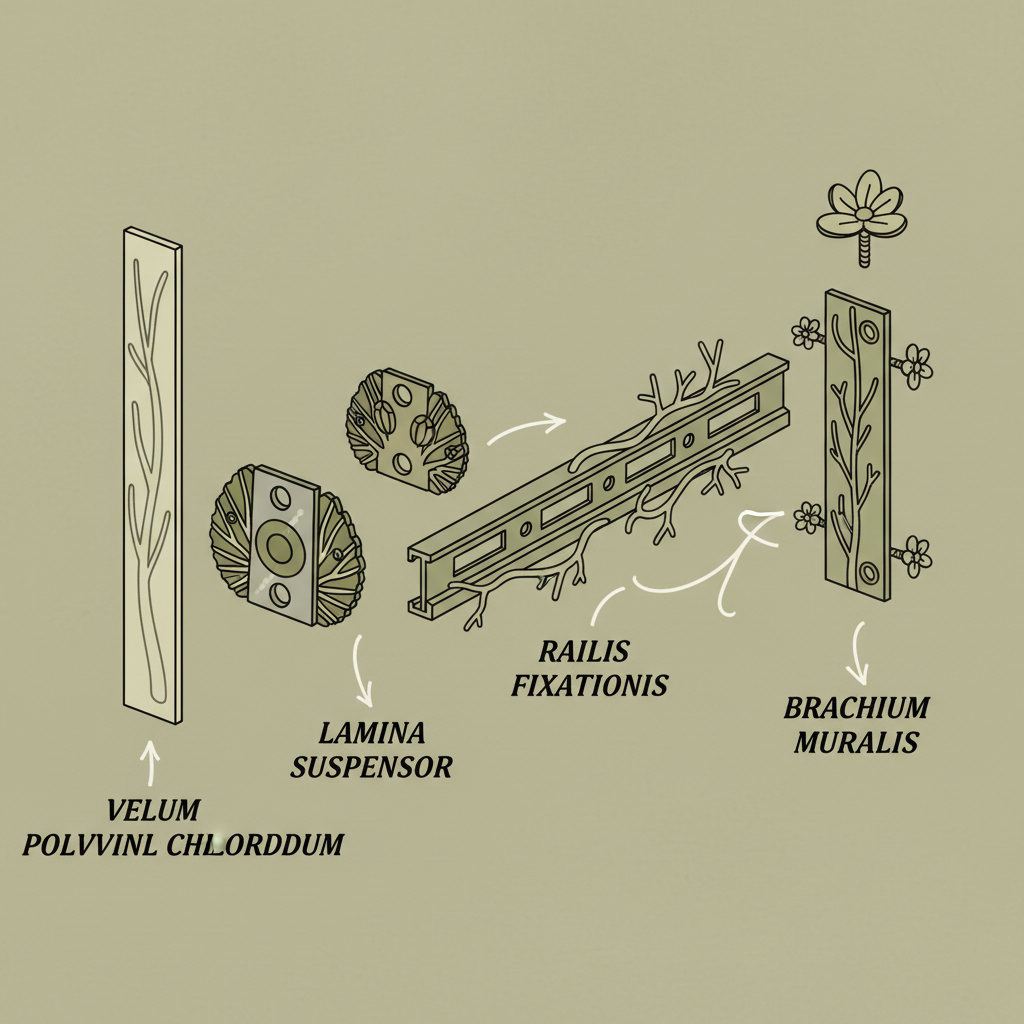
pvc door curtain

Industry Trends & Design Pitfalls

pvc door curtain

Strangely enough, everyone's going for these high-speed versions now. You wave your hand, and whoosh they open and close. Good for traffic flow, sure, but adds a whole layer of complexity. More motors, more sensors, more things to break. And the safety features… gotta be just right. I saw a guy nearly lose a hand at a warehouse last year. Motor malfunction. Not a pretty sight. Anyway, I think the whole push for automation is a double-edged sword. It's great for efficiency, but reliability suffers.

The biggest design trap? Undersizing the support structure. These curtains aren't lightweight, especially the thicker ones. If the header and side supports aren't strong enough, they'll sag over time. It's subtle at first, but it gets worse. And then you're looking at a complete replacement.

Material Matters: PVC & Beyond

Like I said, it’s mostly PVC. But the additives… that’s where things get interesting. Some manufacturers use phthalates to make the PVC more flexible. They’re cheap, but there are health concerns. I’ve seen a shift towards phthalate-free formulations, which is good. They’re a bit more expensive, but worth it in the long run. You can tell the difference by the smell, actually. The phthalate stuff has a slightly sweet, chemical odor. The good stuff, less so.

Then there's the welding. You need the right kind of PVC welder, the kind that uses hot air. Don't even think about using a heat gun. You’ll just melt the plastic and make a mess. And the welding rod… gotta match the base material. Otherwise, you’ll get a weak seam.

Some of these higher-end curtains use polyurethane coatings for added durability and UV resistance. That stuff feels…slick. Almost rubbery. And it's a real pain to clean. Gets sticky if you get any grease on it.

Real-World Testing & Quality Control

Lab testing is fine, but it doesn’t tell you much. I’ve seen curtains pass all the lab tests and still fall apart after six months in a busy warehouse. You need to see how they hold up in real-world conditions. We do a simple test: we install them in a high-traffic area and just… use them. Open and close them hundreds of times a day. See how the welds hold up, how the material resists abrasion.

We also do a ‘dirt test’. Spray them with dust and grime, then try to clean them. See how easily the dirt comes off. Sounds silly, but it’s surprisingly informative. Some materials just attract dirt, others repel it. It’s all about the surface finish.

And don't underestimate the power of a good old-fashioned tug test. Grab a corner of the curtain and pull. See how easily it tears. Sounds crude, but it works. If it feels like it's going to rip with minimal effort, it's a no-go.

How They’re Actually Used (And Misused)

People don't always use them as intended. I’ve seen guys use them as makeshift dividing walls, even as backdrops for welding. Not a good idea. The material isn’t designed to withstand that kind of abuse. And the fumes from the welding can damage the PVC.

You’d be surprised how many people don't bother with regular maintenance. They just install them and forget about them. The welds can crack over time, especially in cold weather. A little bit of preventative maintenance – cleaning the welds, tightening any loose screws – can go a long way.

Typical Failure Rates of pvc door curtain Components


Advantages, Disadvantages & the Truth

The biggest advantage? Cost. They're cheap. A fraction of the price of a traditional steel door. And they're relatively easy to install. That’s a big plus for smaller operations.

But they’re not perfect. They're not as secure as a steel door, for one thing. And they're not very energy efficient if they're not properly sealed. And let's be honest, they don't look great. They're functional, but they're not exactly aesthetically pleasing.

Customization Options & a Shenzhen Story

You can customize them, to a degree. Color is the easiest thing to change. You can get them in pretty much any color you want. We had a customer last month, that small boss in Shenzhen who makes smart home devices, insisted on changing the interface to for the control panel wiring. A port on a pvc door curtain! It looked ridiculous. Cost us a fortune in custom tooling, and in the end, it didn’t even make a difference. He just wanted to be different. Later... Forget it, I won't mention it.

You can also adjust the width and height. But there are limits. You can’t just make them any size you want. The material has to be able to support its own weight. And the welding has to be strong enough to hold everything together.

We did one job where the customer wanted extra reinforcement for the side supports. They were installing the curtains in a hurricane-prone area. We added a steel frame inside the PVC frame. It was a pain to build, but it gave them the peace of mind they needed.

The Final Verdict: A Worker’s Perspective

Look, these pvc door curtain things aren't glamorous. They're not going to win any design awards. But they get the job done. They're affordable, relatively durable, and easy to install. They're a good solution for a lot of applications.

I've seen a lot of fancy, expensive doors fail over the years. Doors that were supposed to be the best of the best. But they failed because they weren't practical. They weren't designed with the real world in mind. This stuff is practical.

Ultimately, whether this thing works or not, the worker will know the moment he tightens the screw. That’s the truth of it.

A simple table summarizing key pvc door curtain specifications for different applications

Application Type Material Thickness (mm) Weld Strength (N/mm) Typical Lifespan (Years)
Warehousing - Low Traffic 0.8 15 5
Warehousing - High Traffic 1.2 20 7
Food Processing 1.0 18 6
Cold Storage 1.5 25 8
Automotive Assembly 1.2 22 9
Clean Room Applications 1.0 16 4

FAQS

How often should I clean my pvc door curtain to maintain its appearance?

Honestly, it depends on the environment. In a dusty warehouse, you’re looking at a weekly wipe-down. In a cleaner setting, maybe once a month. The goal is to prevent grime buildup, which can make the material brittle over time. A mild detergent and water are usually all you need. Don’t use anything abrasive, or you’ll scratch the surface. I’ve seen guys use pressure washers… don’t do that. You'll ruin them.

What’s the best way to repair a small tear in a pvc door curtain?

Small tears can usually be patched with a piece of matching PVC material and a PVC adhesive. Make sure the surface is clean and dry before applying the adhesive. Clamp it down for a few hours to ensure a strong bond. For larger tears, you’re better off replacing the entire panel. Trying to repair a big tear is usually just a waste of time. I learned that the hard way a couple years back.

Are pvc door curtain susceptible to UV damage?

They are, definitely. Prolonged exposure to sunlight can cause the PVC to become brittle and discolored. That’s why it’s important to choose a material that’s UV-stabilized. Some manufacturers add UV inhibitors to the PVC formulation. Also, consider installing the curtains in a shaded area if possible. It'll extend their lifespan considerably.

Can I cut pvc door curtain myself?

You can, but it's not as easy as it looks. You need a sharp utility knife and a straight edge. Take your time and make multiple shallow cuts rather than trying to cut all the way through in one go. And always wear safety glasses. You don’t want any flying debris in your eye. It's easy to mess up and get a jagged edge, so it is better to be professional.

What is the fire rating of most pvc door curtain materials?

That varies depending on the formulation and any fire retardant additives. Most decent quality pvc door curtain materials will have a Class B fire rating, meaning they will self-extinguish when a flame is removed. But always check the manufacturer's specifications for the exact rating and ensure it meets your local fire safety regulations.

How do I properly store pvc door curtain material before installation?

Store it flat in a cool, dry place, away from direct sunlight. Don't roll it up tightly, as that can cause creases that are difficult to remove. And definitely don’t store it near any chemicals or solvents, as those can damage the PVC. Honestly, just treat it like you would any other delicate material and it will last longer.

Conclusion

So, there you have it. pvc door curtain aren’t fancy, but they’re reliable, affordable, and get the job done. They've come a long way from the simple plastic sheets of the past, with improvements in material science, design, and safety features. They're not a one-size-fits-all solution, but for a lot of applications, they're the perfect choice.

Looking ahead, I think we’ll see even more focus on sustainability. Manufacturers are already exploring recycled PVC options, and I expect that trend to continue. And as automation becomes more prevalent, we’ll see more sophisticated control systems and safety features. But ultimately, the key is to keep it simple, focus on quality, and listen to the guys on the ground.

Michael Davis

Michael Davis

Michael Davis is the Lead Engineer at Langfang Wanmao. He specializes in the design and maintenance of our advanced production equipment, including the high-precision laser cutting machines used for curtain door fittings. Michael holds a Master’s degree in Mechanical Engineering and brings a wealth of knowledge to the team. His
Previous Optimizing Industrial Spaces with Durable PVC Industrial Curtains
Next pvc curtain