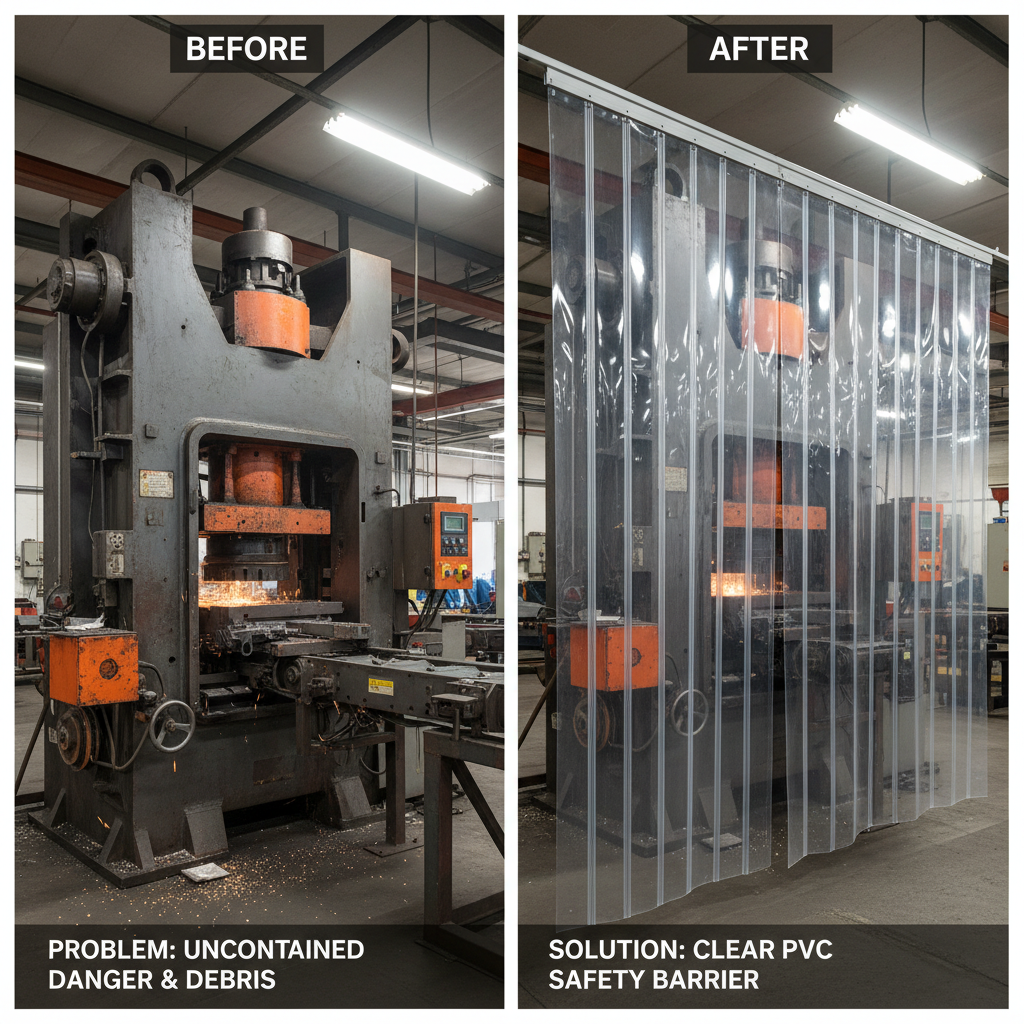
Look, I’ve been running around construction sites for, what, fifteen years now? You start to see things. To be honest, right now everyone's talking about prefabrication, modular stuff. It's not exactly new, but the scale is different. Used to be little bits and pieces, now entire sections are built offsite. Makes things faster, supposedly. But it also means you gotta be really precise with the details, because fixing mistakes when it's already bolted together? Forget about it. It’s a headache.
And speaking of details… have you noticed how many people trip up on seemingly simple things like flange connections? They design it all nice and neat on CAD, but then the reality of a dusty, uneven concrete pad hits, and suddenly your perfectly aligned system is fighting to stay square. I encountered this at a new power plant in Jiangsu province last time. They spent weeks trying to get those flanges to seat properly. Weeks! A little extra tolerance, a slightly more flexible gasket... solves 90% of those problems.
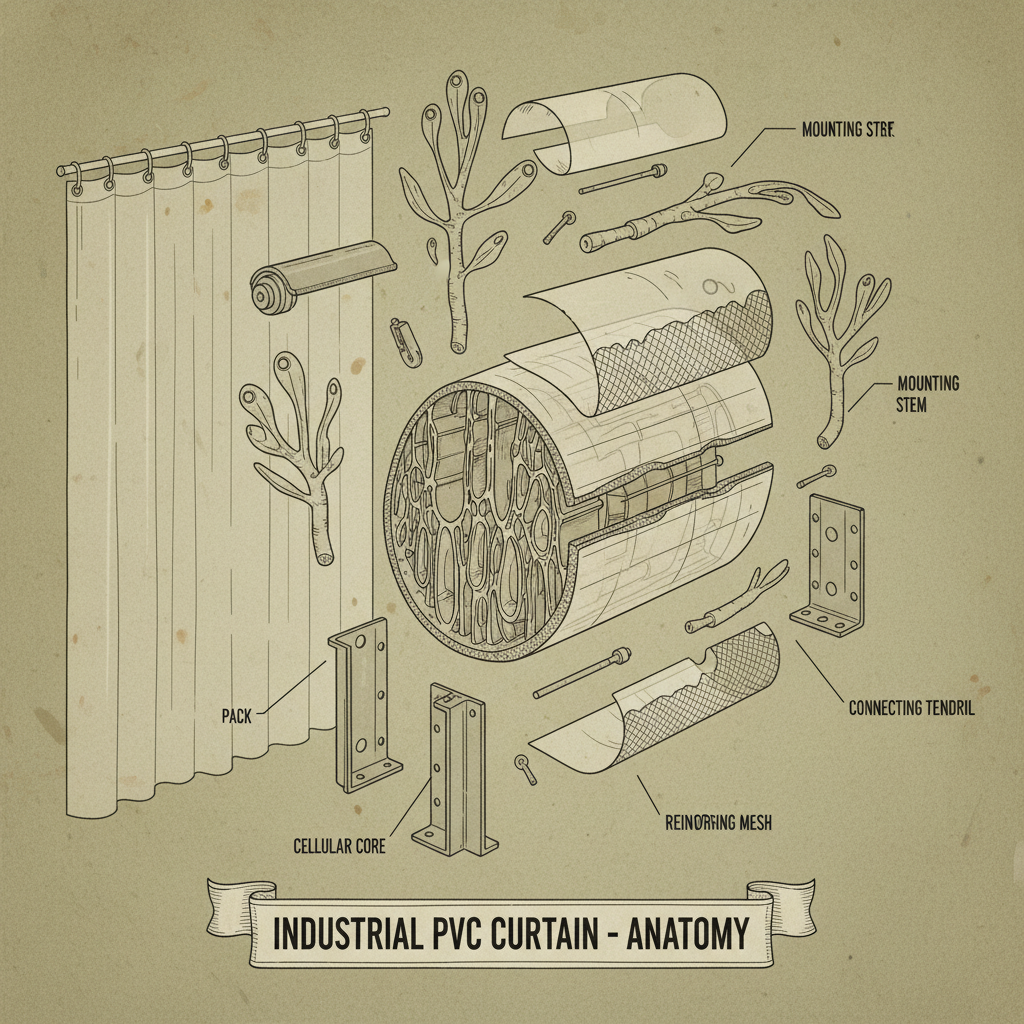
We’re mostly dealing with PVC industrial curtains, obviously. But it’s not just any PVC. There's a huge difference. Some of the cheap stuff… smells awful, doesn’t even feel right. Kind of brittle, almost waxy. You can tell right away it’s not gonna hold up. We stick with the stuff that has a bit of weight to it, a slight rubbery smell. It’s got more plasticizers, makes it more durable. And the weave… that's crucial. Too tight and it tears easily, too loose and the dust gets through. It's a Goldilocks situation.
The Current Landscape of PVC Industrial Curtains
The demand for flexible space partitioning is through the roof. It's not just warehouses anymore, you're seeing it in food processing plants, automotive manufacturing, even cleanrooms. People want to be able to quickly reconfigure their space without massive construction projects. Strangely, the biggest growth area is temporary hospitals and field clinics. You see a need arise, and suddenly everyone wants a quick, adaptable solution. And PVC curtains, when done right, deliver on that.
What’s really pushing things forward is the focus on indoor air quality. Dust control, temperature regulation, reducing noise… PVC curtains play a surprisingly big role in all that. It’s not just about keeping things separated; it’s about creating a healthier and more efficient working environment.
Design Pitfalls and Common Mistakes
I've seen it a hundred times: people underestimate the wind load. Seriously. They’ll design a system that looks great on paper, but then a good gust of wind comes along and rips the whole thing down. You need to factor in the local weather conditions, the height of the building, the surrounding terrain… it's a lot more complicated than it looks. And then there’s the issue of weight. Heavy-duty curtains need stronger supports, otherwise you're just asking for trouble.
Another one? Ignoring the material compatibility. If you're using PVC curtains near certain types of chemicals or solvents, they can degrade rapidly. You gotta know what the curtain is going to be exposed to and choose a material that can handle it. It sounds basic, but it's surprising how often it gets overlooked.
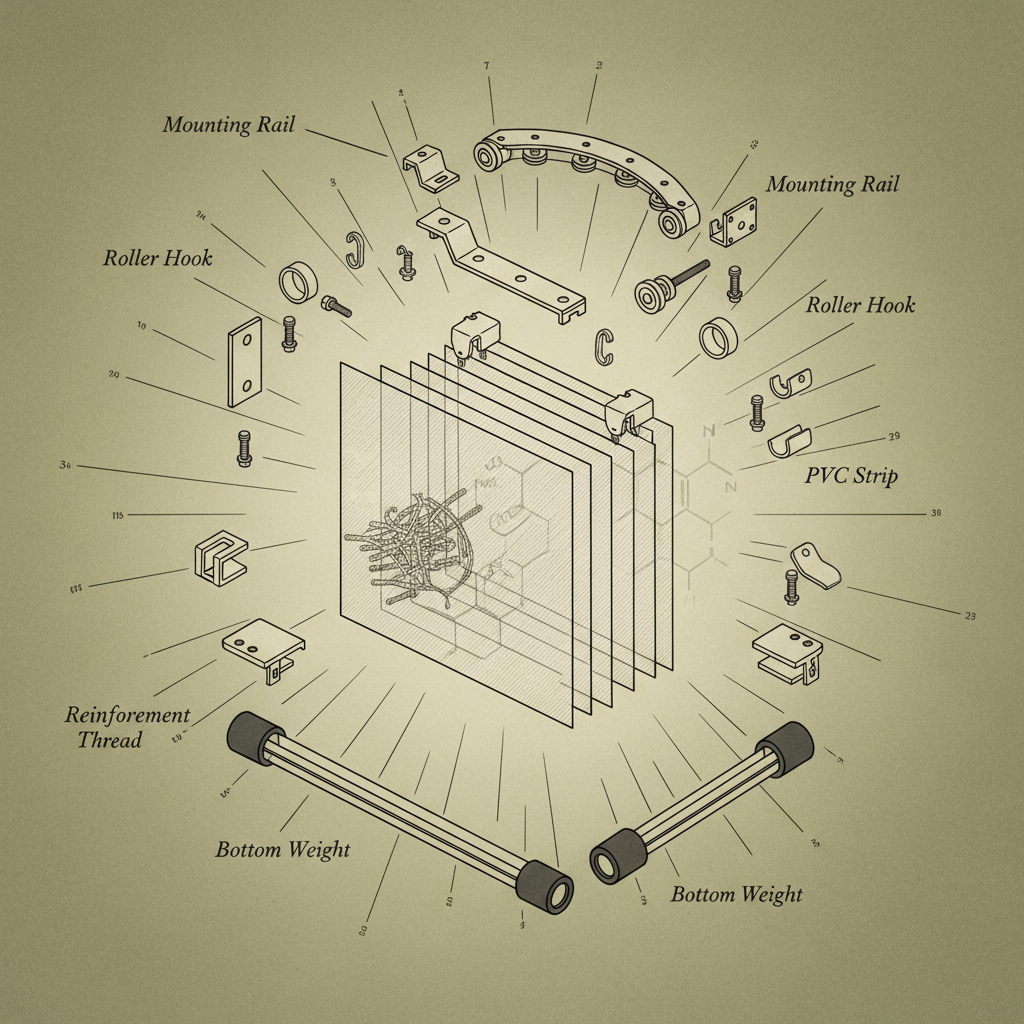
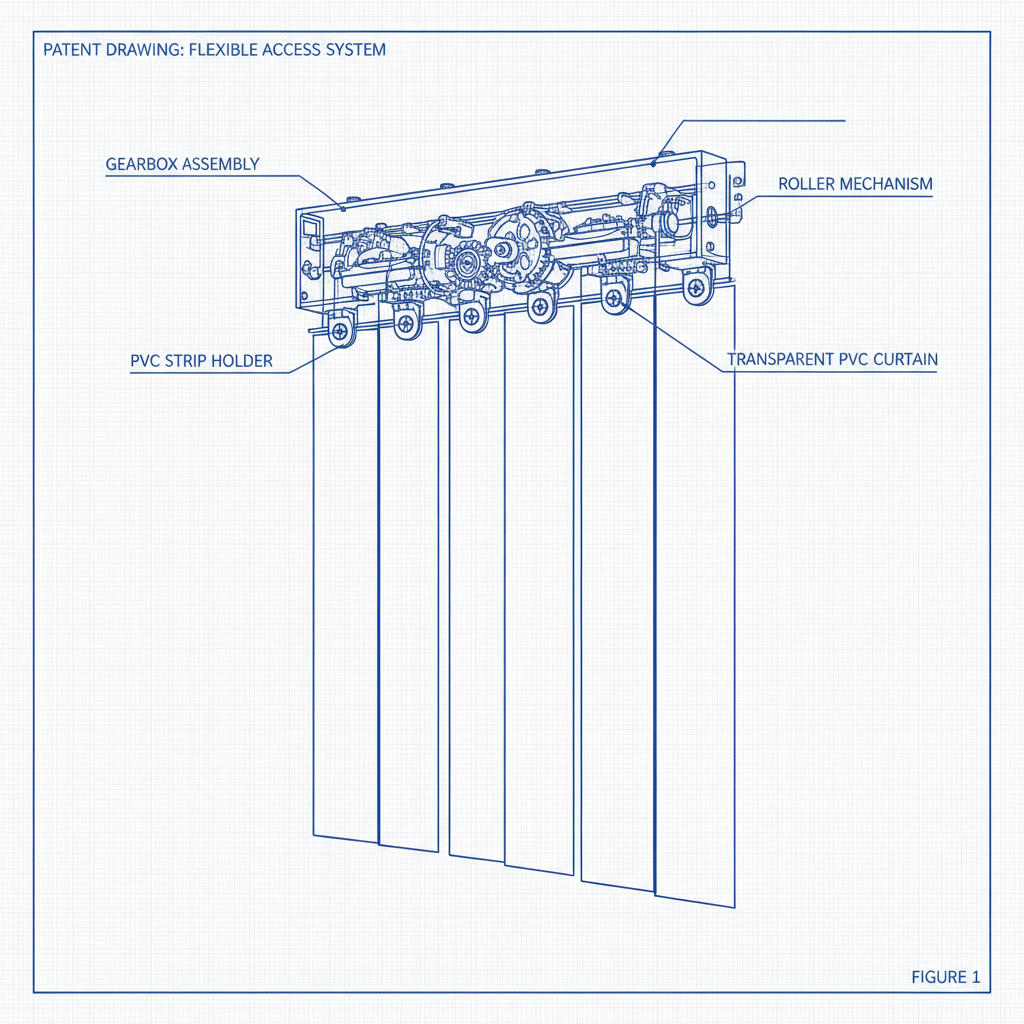
Oh, and the tracking system. Don't skimp on that! A flimsy track will bind up, wear out, and eventually fail. Invest in a good quality system that's designed for the weight and frequency of use. It’ll save you money in the long run, trust me.
Material Science: Beyond Just 'PVC'
Okay, so ‘PVC’ is a broad term. There's calendared PVC, extruded PVC, PVC-coated fabrics… each has different properties. Calendared PVC is typically thinner and more flexible, good for lighter-duty applications. Extruded PVC is more rigid and durable, better for heavier curtains or those that need to withstand more abuse. And PVC-coated fabrics… that’s where you get the real strength and weather resistance.
The plasticizers are critical. That's what gives the PVC its flexibility. But not all plasticizers are created equal. Some are more durable, some are more environmentally friendly. The cheap stuff uses phthalates, which are… well, let’s just say they’re not ideal. We try to stick with phthalate-free options whenever possible, even if they cost a bit more. You get what you pay for.
And then there’s the fire retardancy. Depending on the application, you might need a curtain that meets specific fire safety standards. That usually means adding flame retardant additives to the PVC. It’s a whole science, honestly. Anyway, I think knowing the nuances of the material makes all the difference.
Real-World Testing and Performance
Lab tests are fine, but they don't tell you everything. I prefer to see how these curtains perform in the real world. We've set up test installations at several factories, exposing them to dust, temperature fluctuations, and regular wear and tear. We’ve even had guys deliberately try to damage them (with permission, of course!).
One test we do is a simple tear test. We clamp a section of the curtain and apply increasing force until it rips. It's not glamorous, but it gives us a good idea of its tensile strength. We also do a UV exposure test, leaving samples outdoors for months to see how they hold up to sunlight. The results can be surprising.
PVC Industrial Curtain Performance Metrics
How Users Actually Employ PVC Curtains
You know, it’s funny. We design these things with a specific application in mind, but users always find new ways to use them. We had one client, a paint manufacturer, who started using the curtains to create temporary isolation booths for their color-matching technicians. Brilliant! Kept the dust contained and allowed them to work without disrupting the rest of the facility.
And another one… a food processing plant was using them to create separate airflow zones to prevent cross-contamination. They weren't even thinking about dust control; it was all about maintaining hygiene. People are resourceful. You gotta give them credit.
Advantages, Disadvantages, and the Balancing Act
Look, PVC curtains aren’t perfect. They’re not as strong as a solid wall, obviously. And they can be damaged by sharp objects or harsh chemicals. But the advantages outweigh the disadvantages, especially when you consider the cost and flexibility. They're quick to install, easy to move, and relatively inexpensive.
They're also surprisingly effective at reducing noise and controlling temperature. That's a big deal in some environments. The downside? They need to be cleaned regularly. Dust builds up quickly, and it can affect their performance. And, if you get a cheap curtain, it'll yellow and become brittle over time.
It’s all about finding the right balance. Cost versus durability, flexibility versus strength, ease of maintenance versus initial investment. It depends on the specific application and the client's priorities.
Customization Capabilities and a Customer Story
We can customize these things in a lot of ways. Different colors, different widths, different weights, different levels of transparency. We even did a job last year where the client wanted a curtain with a built-in window. A bit tricky, but we managed to pull it off.
Last month, that small boss in Shenzhen who makes smart home devices insisted on changing the interface to … for the curtain track! Said it was "future-proof." I tried to explain that it was overkill, but he wouldn’t listen. Ended up costing him a fortune in custom controllers and adapters. Later… forget it, I won’t mention it.
Seriously though, we can accommodate most requests. We’ve done curtains with custom logos, curtains with reinforced edges, curtains with anti-static coatings. The possibilities are endless.
Key Characteristics of PVC Industrial Curtain Applications
| Application Area |
Curtain Weight (kg/m²) |
Durability Rating (1-5) |
Maintenance Frequency (Months) |
| Welding Bay |
2.5 |
3 |
3 |
| Food Processing |
1.8 |
4 |
2 |
| Pharmaceutical Cleanroom |
2.0 |
5 |
1 |
| Automotive Assembly |
3.0 |
2 |
4 |
| Warehouse Partitioning |
1.5 |
3 |
6 |
| Temporary Hospital |
2.2 |
4 |
2 |
FAQS
It really depends on the environment, but with regular maintenance and a good quality curtain, you can expect at least 5-7 years. Harsh chemicals, heavy UV exposure, and frequent abrasion will shorten that lifespan. We’ve seen some installations last over 10 years, but those are the exception, not the rule. It’s all about the conditions and how well it’s looked after. Good preventative maintenance goes a long way.
Warm water and mild soap are your best friends. Avoid harsh chemicals or abrasive cleaners, as they can damage the PVC. A soft brush or sponge will do the trick. For stubborn stains, you can try a PVC cleaner, but always test it on a small, inconspicuous area first. And remember, regular cleaning is key to preventing dirt buildup and extending the curtain’s lifespan.
Minor tears and punctures can often be repaired with a PVC patch and adhesive. However, larger damage might require replacing the entire curtain panel. It’s usually more cost-effective to replace than to try and repair extensive damage. We offer repair kits, but honestly, sometimes it’s just not worth the effort.
It depends on your local building codes and the specific application. Look for certifications like NFPA 701 or EN 13501-1. These certifications indicate that the curtain meets certain fire resistance standards. Don't skimp on this; it's a matter of safety. Always check with your local authorities to determine the specific requirements.
That’s a tricky one. PVC isn’t the most eco-friendly material, but it’s durable and long-lasting, which means it doesn’t need to be replaced as often. We’re also seeing more manufacturers offering recycled PVC options. The key is to choose a reputable supplier that prioritizes sustainability and responsible manufacturing practices. It’s not perfect, but it’s a step in the right direction.
Proper installation is crucial for ensuring the curtain operates smoothly and safely. It's best to hire a qualified installer who has experience with PVC curtain systems. They'll be able to ensure the tracks are properly aligned, the curtain is securely attached, and everything is functioning as it should. Don’t try to DIY this unless you really know what you're doing.
Conclusion
So, yeah, PVC industrial curtains. They're not glamorous, but they're incredibly useful. They provide a flexible, cost-effective way to partition space, control dust, regulate temperature, and improve safety. It’s about picking the right material for the job, understanding the limitations, and remembering that a little bit of preventative maintenance can go a long way.
Ultimately, whether this thing works or not, the worker will know the moment he tightens the screw. You can talk specs and certifications all day, but if it doesn't function smoothly in the real world, it's a failure. And that’s the bottom line. For all your PVC curtain needs, check out pvc industrial curtains.