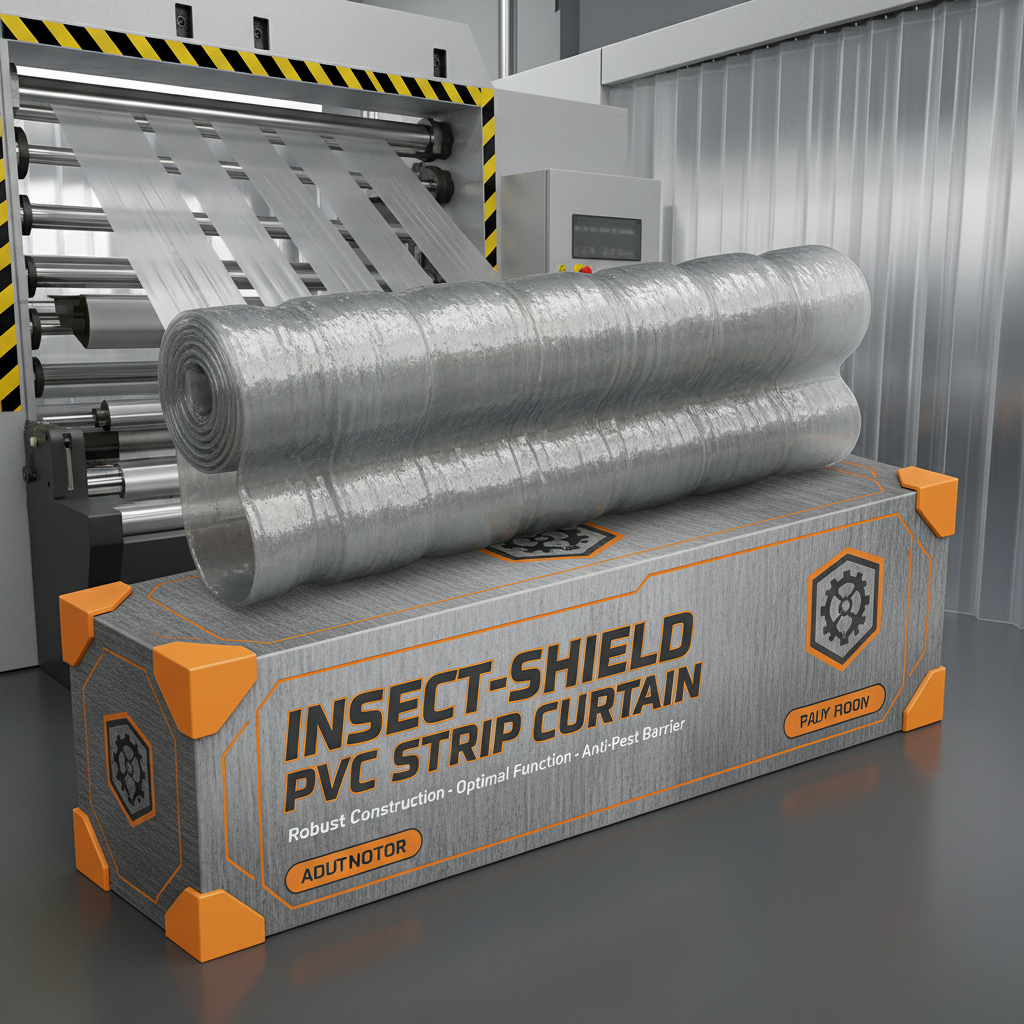
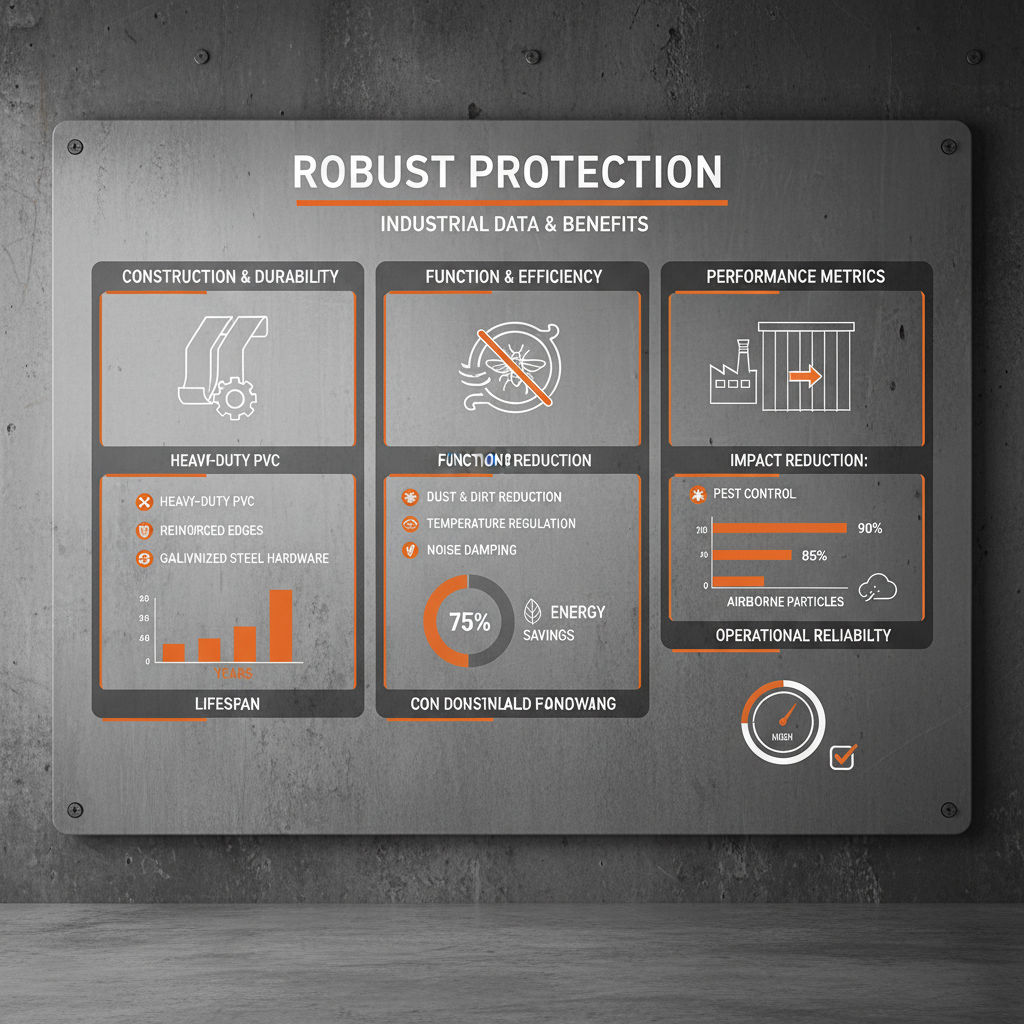
Strip anti-insect pvc strip curtain are increasingly vital in maintaining hygienic and controlled environments across diverse industries globally. Their effectiveness in preventing pest ingress, coupled with their energy-saving capabilities, makes them a crucial component in food processing, pharmaceuticals, warehousing, and various other sectors. Understanding their applications and benefits is paramount for businesses aiming to enhance operational efficiency and product quality.
The global market for these curtains is experiencing steady growth, driven by stringent hygiene regulations, rising concerns about food safety, and the increasing need for sustainable solutions. According to recent reports, the demand for strip curtains is projected to rise significantly in emerging economies, fueled by infrastructure development and expanding industrialization. This underlines the importance of recognizing the role of strip anti-insect pvc strip curtain in modern infrastructure.
Beyond purely industrial applications, strip anti-insect pvc strip curtain are also becoming prevalent in agricultural settings and even residential areas, protecting crops and living spaces from unwanted pests. The versatility and affordability of these curtains contribute to their widespread adoption, creating a compelling need for comprehensive knowledge about their capabilities and proper implementation.
Introduction to Strip Anti-Insect PVC Strip Curtain
Strip anti-insect pvc strip curtain are engineered to provide a physical barrier against flying insects while simultaneously offering benefits like temperature control and energy conservation. Their flexible PVC construction allows for easy passage of personnel and equipment, maintaining workflow efficiency without compromising hygiene. These curtains represent a simple yet effective solution for numerous industrial and commercial challenges.
They've become an increasingly popular choice for businesses prioritizing sanitation and environmental control. By effectively reducing insect populations within facilities, strip anti-insect pvc strip curtain help prevent contamination, protect products, and minimize the risk of pest-borne diseases, contributing to safer and more productive working environments.
Defining Strip Anti-Insect PVC Strip Curtain
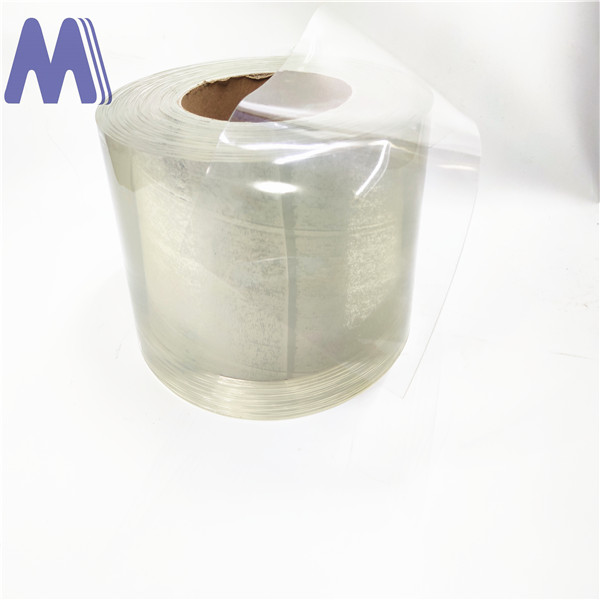
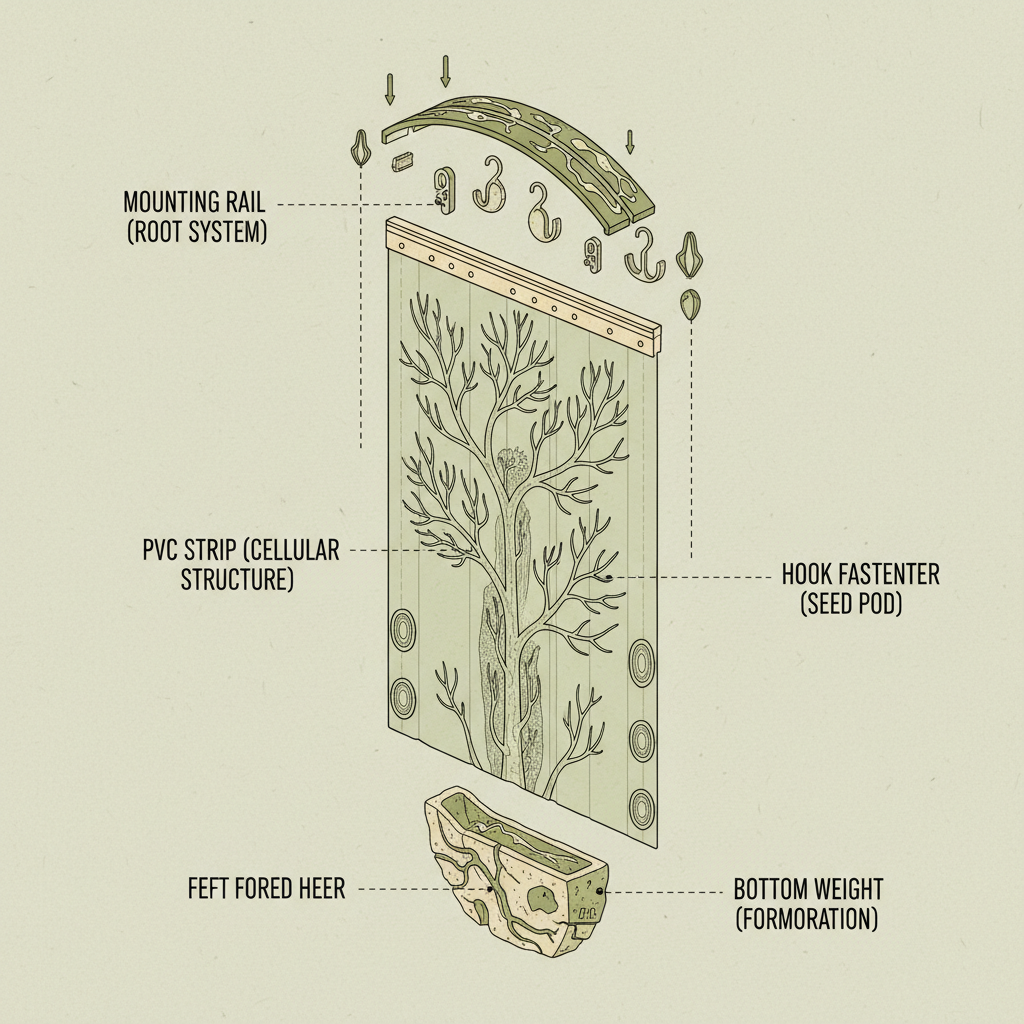
A strip anti-insect pvc strip curtain is a series of overlapping, transparent or colored PVC (polyvinyl chloride) strips hung from a mounting rail. Designed to create a barrier, these curtains allow access for people and forklifts while effectively preventing the entry of flying insects, dust, and unwanted drafts. The “anti-insect” characteristic is often achieved through the addition of insect repellents integrated into the PVC material itself.
The concept bridges the gap between open doorways and completely sealed environments. Unlike traditional doors, strip anti-insect pvc strip curtain don't require mechanical operation, resulting in reduced energy consumption and maintenance costs. They are particularly well-suited for high-traffic areas where frequent door operation would be disruptive and inefficient.
These curtains are a critical component in industries adhering to strict hygiene standards. They align with modern food safety regulations (like HACCP and ISO 22000) and contribute to maintaining a sanitary operational environment, addressing both regulatory compliance and product integrity.
Core Components and Characteristics
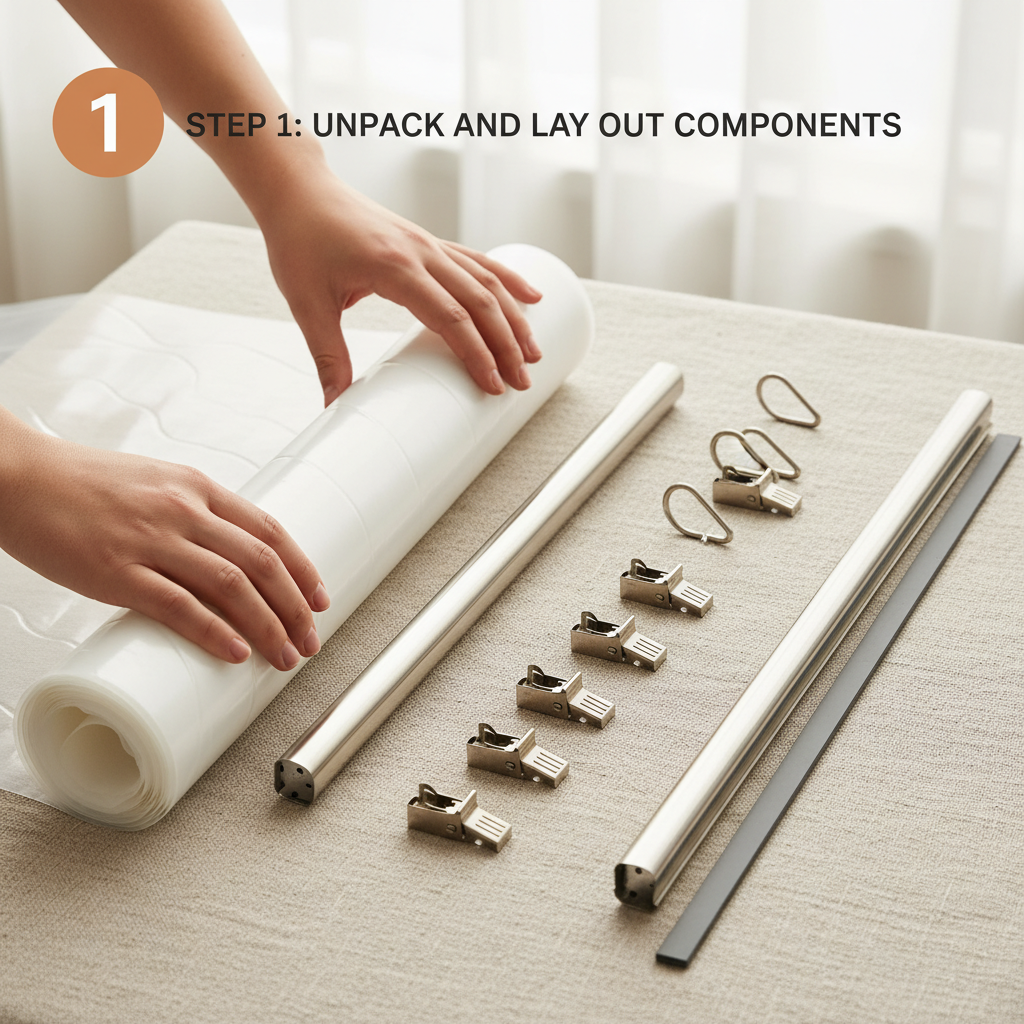
The effectiveness of strip anti-insect pvc strip curtain relies on several key components and characteristics. Firstly, the PVC material itself is crucial, varying in thickness, width, and color options. Secondly, the mounting rail provides a secure and adjustable framework for hanging the strips. Different mounting options cater to various doorway sizes and configurations.
Durability is another critical factor. High-quality PVC is resistant to tearing, abrasion, and weathering, ensuring a long lifespan even in demanding industrial environments. Furthermore, the incorporation of UV stabilizers prevents discoloration and degradation caused by sunlight exposure. The flexibility of the PVC is also key; it allows strips to recover quickly after impact, minimizing damage and maintaining barrier integrity.
Finally, the insect repellent additives are paramount. These are formulated to deter a wide range of flying insects without posing a health risk to humans. The concentration and type of repellent can vary depending on the target insect species and local regulations, offering customized protection for diverse geographical locations.
Practical Applications Across Industries
Strip anti-insect pvc strip curtain find extensive application across a diverse range of industries. In the food and beverage industry, they’re vital for maintaining sanitary conditions in processing plants, warehouses, and packaging areas, preventing contamination and meeting stringent hygiene standards. Similar benefits are seen in pharmaceutical manufacturing, where product sterility is paramount.
Warehousing and logistics operations utilize these curtains to control temperature, reduce energy costs, and keep out pests that could damage stored goods. Automotive manufacturers and engineering facilities rely on them to create separate work zones and maintain a clean environment. Furthermore, in agricultural settings, strip anti-insect pvc strip curtain protect crops and livestock from insect infestations.
Strip Anti-Insect PVC Strip Curtain Application Distribution
Advantages and Long-Term Value Proposition
The advantages of implementing strip anti-insect pvc strip curtain extend beyond simple pest control. Significant cost savings are realized through reduced energy consumption, as the curtains minimize temperature fluctuations and drafts. This leads to lower heating and cooling bills, contributing to a more sustainable operation.
Furthermore, the long-term durability of high-quality strip anti-insect pvc strip curtain translates to reduced maintenance and replacement costs compared to traditional door systems. The enhanced safety provided by the visible barrier minimizes workplace accidents, improving employee well-being and reducing liability risks. These factors contribute to a compelling return on investment.
Global Impact and Regional Adoption
The adoption of strip anti-insect pvc strip curtain varies globally, influenced by climate, industrial development, and regulatory standards. Regions with warm climates and high insect populations, such as Southeast Asia and parts of Africa, exhibit particularly strong demand. Developed nations in North America and Europe prioritize these curtains due to stringent food safety regulations and a focus on sustainable practices.
Increasingly, emerging economies in Latin America and Eastern Europe are recognizing the benefits of strip anti-insect pvc strip curtain as they modernize their industrial infrastructure and strive to meet international quality standards. This global trend underscores the universal need for effective pest control and environmental management solutions.
In post-disaster relief operations, these curtains have proven invaluable in creating temporary, sanitary environments for medical facilities and food distribution centers. Their ease of installation and portability make them an ideal solution for rapid deployment in emergency situations, highlighting their versatility in addressing humanitarian needs.
Future Trends and Innovations in Strip Curtain Technology
The future of strip anti-insect pvc strip curtain is poised for innovation. Research and development are focused on incorporating more effective and environmentally friendly insect repellents into the PVC material. Smart strip curtains, equipped with sensors and automated controls, are emerging, offering features like automatic opening/closing and real-time monitoring of environmental conditions.
The integration of antimicrobial additives into the PVC formulation is another promising trend, further enhancing hygiene and preventing the growth of bacteria and mold. Furthermore, advancements in PVC recycling technologies are addressing sustainability concerns, promoting a circular economy and reducing the environmental impact of these products.
These developments align with broader trends in industrial automation and digitalization. As businesses increasingly embrace Industry 4.0 principles, strip anti-insect pvc strip curtain are likely to become integrated into smart factory systems, contributing to more efficient and sustainable operations.
Overview of Key Considerations for Strip Anti-Insect PVC Strip Curtain Selection
| PVC Material Quality |
Insect Repellent Effectiveness |
Mounting System Durability |
Cost-Benefit Analysis |
| High-grade PVC provides superior resistance to tearing and weathering. |
Effectiveness varies based on targeted insect species and repellent concentration. |
Robust mounting ensures long-term stability and minimal maintenance. |
Consider initial investment versus long-term savings on energy and maintenance. |
| Thickness impacts durability; thicker PVC offers greater protection. |
Verify repellent certifications and compliance with local regulations. |
Wall or ceiling mounts are common; choose based on facility structure. |
Factor in potential cost savings from reduced product contamination. |
| UV stabilization prevents discoloration and degradation from sunlight. |
Regular inspection and replacement of repellent may be required. |
Adjustable mounting rails allow for easy strip replacement. |
Evaluate the impact on workplace safety and employee well-being. |
| Color options provide visual cues and enhance workplace aesthetics. |
Consider the environmental impact of the repellent used. |
Ensure mounting system supports the weight of the PVC strips. |
Compare prices from different suppliers and assess warranty coverage. |
| Flexibility ensures strips withstand impact and maintain barrier integrity. |
Document repellent application dates for tracking and compliance. |
Regularly inspect mounting hardware for signs of wear or damage. |
Assess the long-term energy savings potential for your facility. |
| Transparency allows for visibility and natural light transmission. |
Research alternative pest control methods for integrated management. |
Ensure mounting system complies with local building codes. |
Consider the lifespan of the strips and replacement frequency. |
FAQS
The lifespan of strip anti-insect pvc strip curtain typically ranges from 3 to 7 years in a high-traffic industrial setting, depending on the quality of the PVC, the level of exposure to UV light, and the frequency of impacts. Regular inspection and prompt replacement of damaged strips are crucial for maintaining effectiveness and safety. Higher quality materials and proper installation can significantly extend the lifespan.
Yes, strip anti-insect pvc strip curtain are widely used in food processing facilities. However, it’s essential to select curtains specifically designed for food-grade environments, ensuring the PVC material and insect repellents meet relevant safety standards (like FDA compliance). Regular cleaning and maintenance are also vital to prevent contamination and maintain hygiene.
The effectiveness varies depending on the insect species and the type of repellent used in the PVC. Generally, they are highly effective against flying insects like flies, mosquitoes, and moths. However, they may not be as effective against smaller crawling insects. Selecting curtains with repellents targeted at specific pests is recommended for optimal control.
Regular maintenance includes periodic cleaning with mild soap and water to remove dirt and debris. Inspect the strips for tears or damage and replace them promptly. Check the mounting system for secure attachment and tighten any loose hardware. Depending on the repellent type, re-application may be necessary to maintain efficacy.
Yes, strip anti-insect pvc strip curtain can significantly reduce energy costs by minimizing air exchange between different temperature zones. They create a barrier that prevents drafts and maintains a more consistent temperature, reducing the load on heating and cooling systems. This is especially beneficial in warehouses and loading docks with frequent door openings.
Traditional PVC production can have environmental impacts. However, manufacturers are increasingly offering PVC recycling programs and using more sustainable additives. Look for curtains made with recycled content and consider the environmental footprint of the repellent used. Proper disposal of old curtains is also important to minimize environmental harm.
Conclusion
In conclusion, strip anti-insect pvc strip curtain are a versatile and cost-effective solution for a wide range of industrial, commercial, and even residential applications. Their ability to control pest ingress, improve hygiene, and reduce energy consumption makes them a valuable asset for businesses prioritizing efficiency, safety, and sustainability. Understanding their core components, practical applications, and future trends is crucial for maximizing their benefits.
As technology advances and environmental concerns grow, we can expect continued innovation in strip curtain design and materials. The integration of smart features and sustainable practices will further enhance their value proposition, making them an increasingly essential component of modern infrastructure. For a comprehensive range of strip anti-insect pvc strip curtain solutions, visit our website: www.lfwanmao.com.