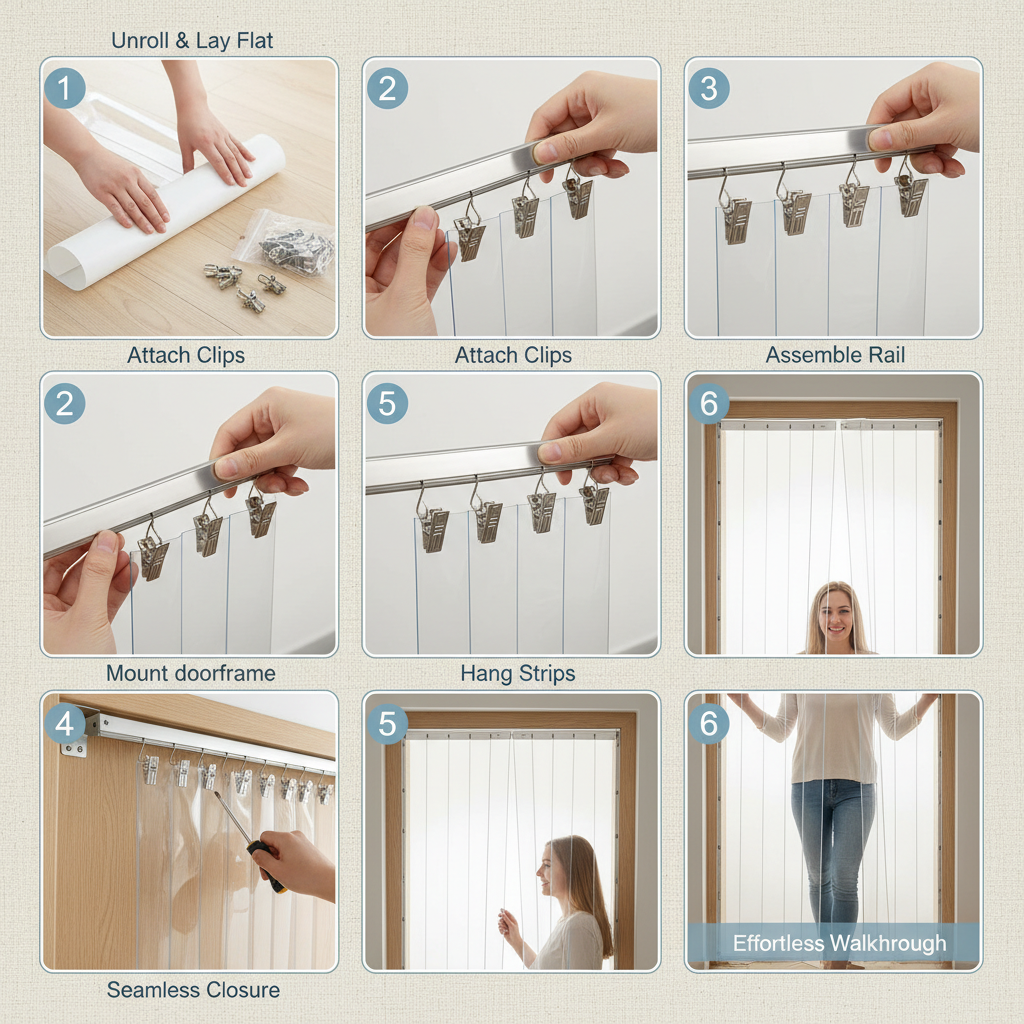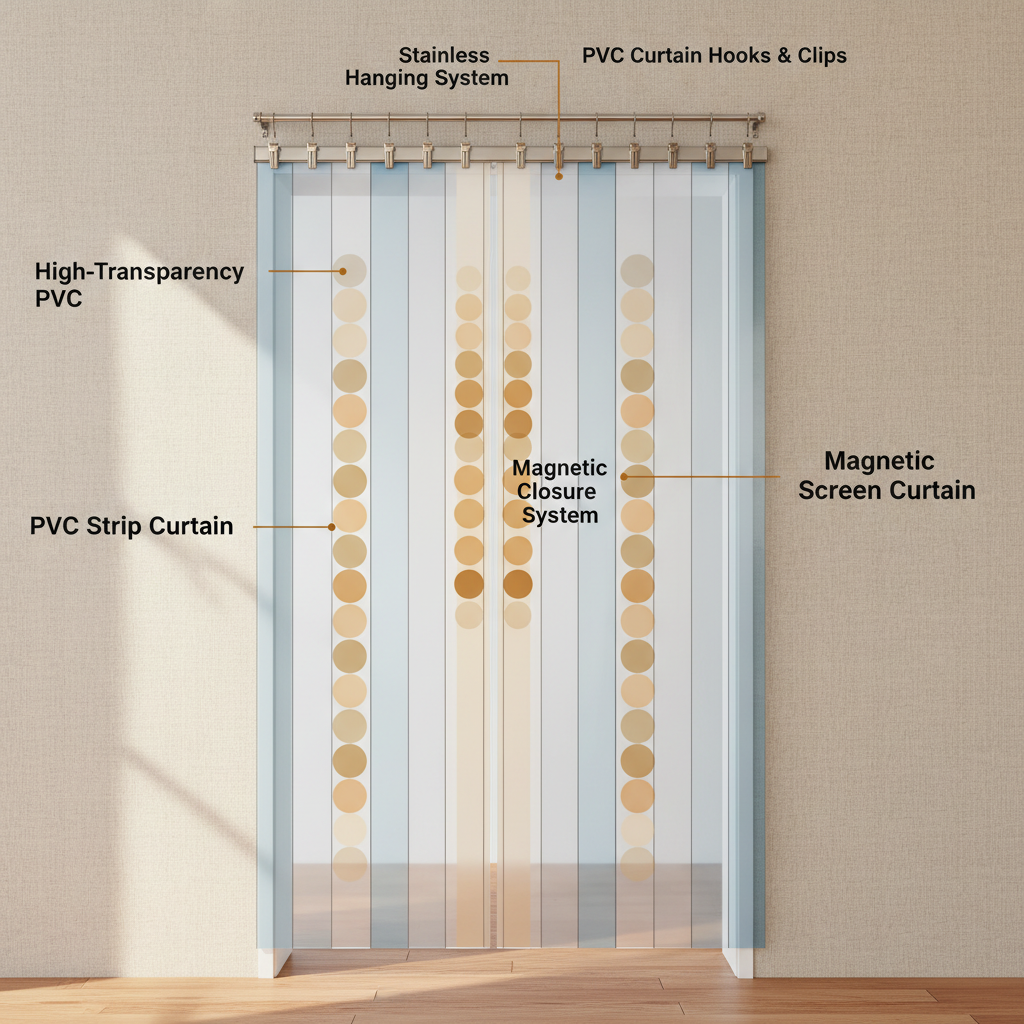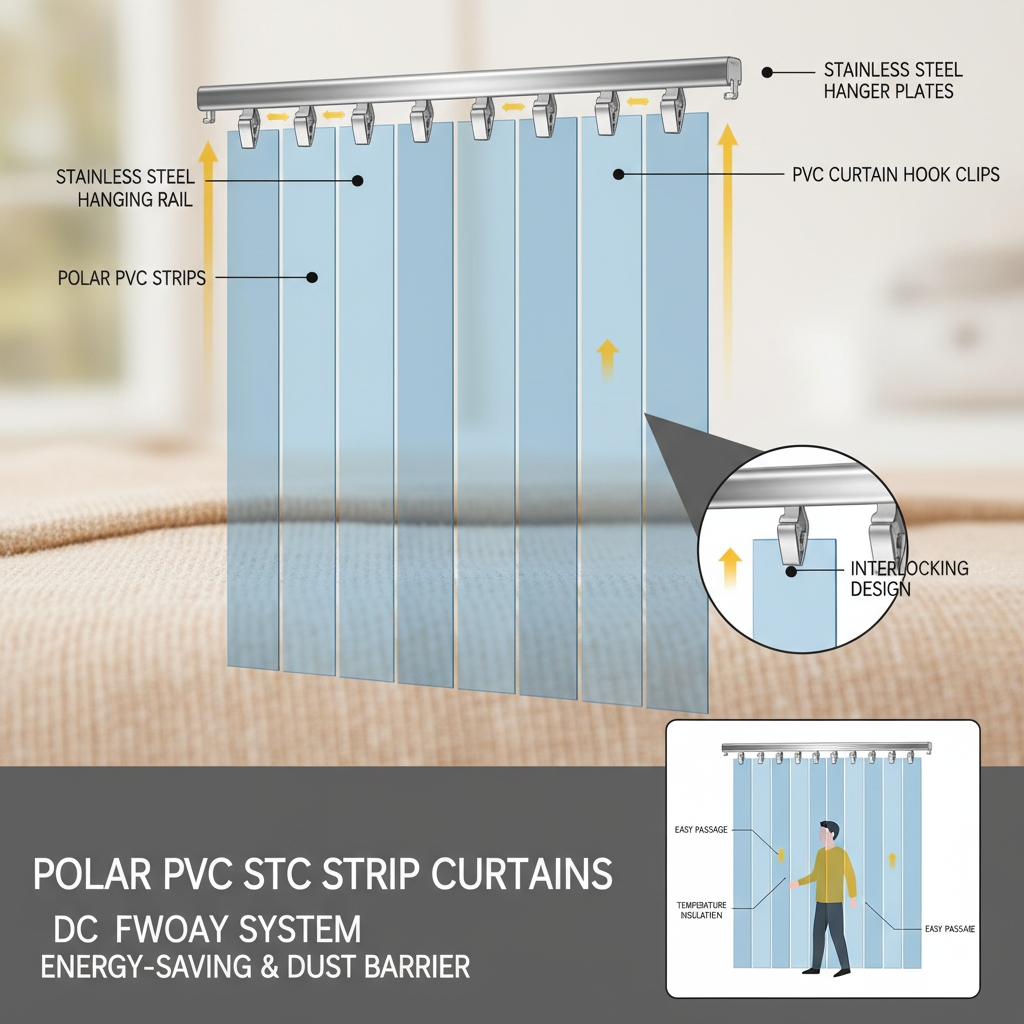
The global need for effective insect control solutions is paramount, impacting public health, food security, and economic productivity. Increasingly, industries and communities are turning to innovative physical barriers to minimize pesticide use and enhance safety. This is where the flat anti-insect pvc strip curtain emerges as a valuable tool, offering a flexible and cost-effective method of preventing insect intrusion while maintaining workflow and environmental control. Understanding its applications and benefits is crucial for a wide range of stakeholders.
The demand for such solutions is driven by stringent regulations on pesticide application, heightened consumer awareness regarding food safety, and the growing need for sustainable practices. According to the World Health Organization, vector-borne diseases, many of which are transmitted by insects, continue to pose a significant threat globally. The flat anti-insect pvc strip curtain addresses this challenge by providing a physical barrier without the environmental drawbacks of chemical treatments.
From food processing plants requiring the highest hygiene standards to agricultural facilities protecting crops, and even residential settings seeking pest control, the versatility of the flat anti-insect pvc strip curtain makes it a valuable asset. Its ability to improve working conditions, reduce contamination risks, and conserve energy further solidifies its importance in today’s world.
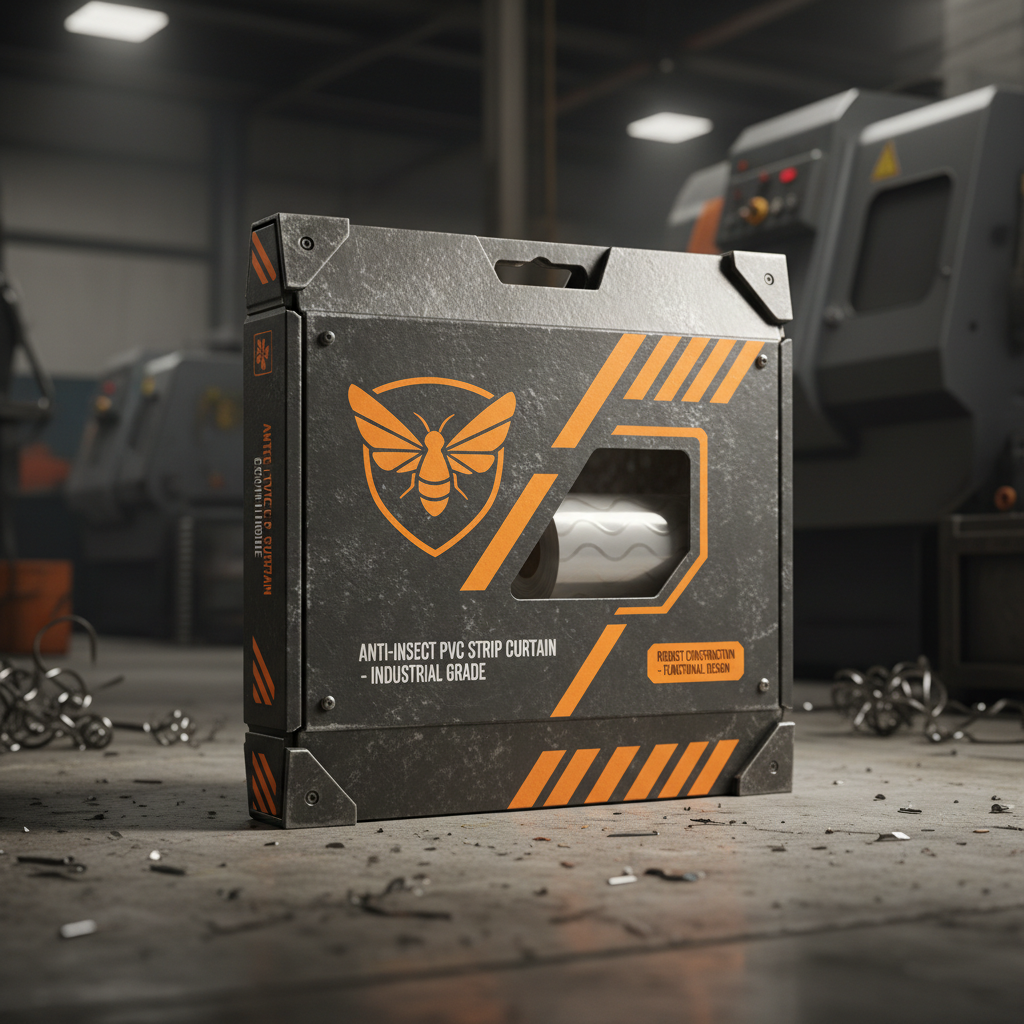
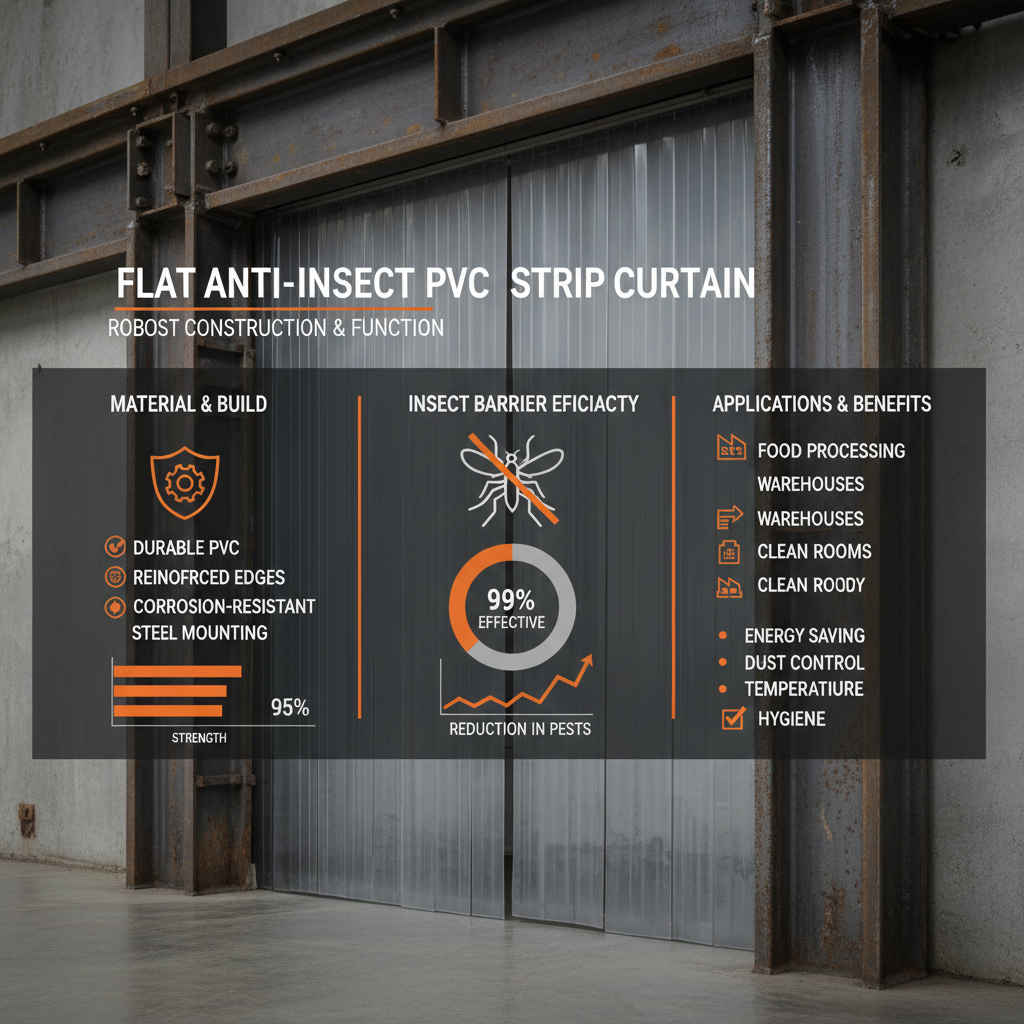
The flat anti-insect pvc strip curtain isn't simply a plastic barrier; it’s a strategic tool for environmental control and hygiene. These curtains are comprised of overlapping strips of durable PVC material, designed to allow passage of people and forklifts while creating an effective barrier against flying insects, dust, and temperature fluctuations. flat anti-insect pvc strip curtain options come in various widths and lengths, catering to diverse opening sizes.
Their simple installation and low maintenance requirements contribute to their broad appeal. Unlike traditional door systems, strip curtains don't require complex mechanics or frequent repairs. This makes them a highly practical choice for businesses prioritizing operational efficiency and cost-effectiveness. They actively contribute to a cleaner, safer, and more productive work environment.
The lifespan of a flat anti-insect pvc strip curtain can vary significantly based on usage conditions, environmental factors, and the quality of the PVC material. Generally, with proper care and maintenance, these curtains can last between 2 to 5 years. Exposure to direct sunlight, extreme temperatures, and frequent impacts can shorten the lifespan. Regular cleaning and inspection for tears or damage are crucial for maximizing longevity. Utilizing a higher grade PVC with UV stabilizers can significantly improve durability.
Yes, when properly selected and maintained, flat anti-insect pvc strip curtain are considered safe for use around food products. Ensure the PVC formulation is food-grade and doesn't contain harmful chemicals that could leach into food. Furthermore, regular cleaning is essential to prevent the buildup of dust and contaminants. Compliance with relevant food safety standards and regulations is paramount. Selecting a product specifically designed for food processing environments provides an added layer of assurance.
Cleaning a flat anti-insect pvc strip curtain is relatively straightforward. Use a mild detergent and warm water with a soft cloth or sponge. Avoid abrasive cleaners or solvents that could damage the PVC. For stubborn stains, a specialized PVC cleaner can be used. Rinse thoroughly with clean water and allow to air dry. Regular inspection for tears or damage is also important; small tears can be repaired with PVC patching kits.
Yes, flat anti-insect pvc strip curtain can be used in cold storage environments, but it’s crucial to select a PVC formulation specifically designed for low-temperature applications. Standard PVC can become brittle and crack at low temperatures. Cold-resistant PVC maintains its flexibility and durability even in freezing conditions. This ensures the curtain continues to provide an effective barrier without compromising its structural integrity.
Flat anti-insect pvc strip curtain are generally effective against a wide range of common flying insects, including houseflies, fruit flies, mosquitoes, moths, and gnats. The insecticide embedded within the PVC repels or eliminates these insects upon contact. However, the effectiveness can vary depending on the specific insecticide used and the insect species. For particularly persistent pests, a combination of strategies, including regular cleaning and pest control measures, may be necessary.
To ensure a proper fit, accurately measure the width and height of the opening where the flat anti-insect pvc strip curtain will be installed. Measure the width at the top, middle, and bottom, and use the smallest measurement. For the height, allow for a slight overlap with the floor to create a complete seal. Consider the number of strips needed to provide adequate coverage and allow for sufficient overlap between strips. Refer to the manufacturer's guidelines for specific recommendations.
In conclusion, the flat anti-insect pvc strip curtain offers a compelling solution for controlling insect intrusion and maintaining hygienic environments across a broad spectrum of industries. Its combination of affordability, durability, and effectiveness makes it a valuable asset for businesses and organizations prioritizing safety, sustainability, and operational efficiency. From food processing to healthcare and beyond, these curtains play a critical role in protecting products, processes, and people.
Looking forward, continued innovation in PVC materials and insecticide formulations will further enhance the performance and sustainability of these solutions. By embracing these advancements, we can leverage the benefits of flat anti-insect pvc strip curtain to create healthier, safer, and more productive environments for all. For more information or to explore our range of products, visit our website: www.lfwanmao.com