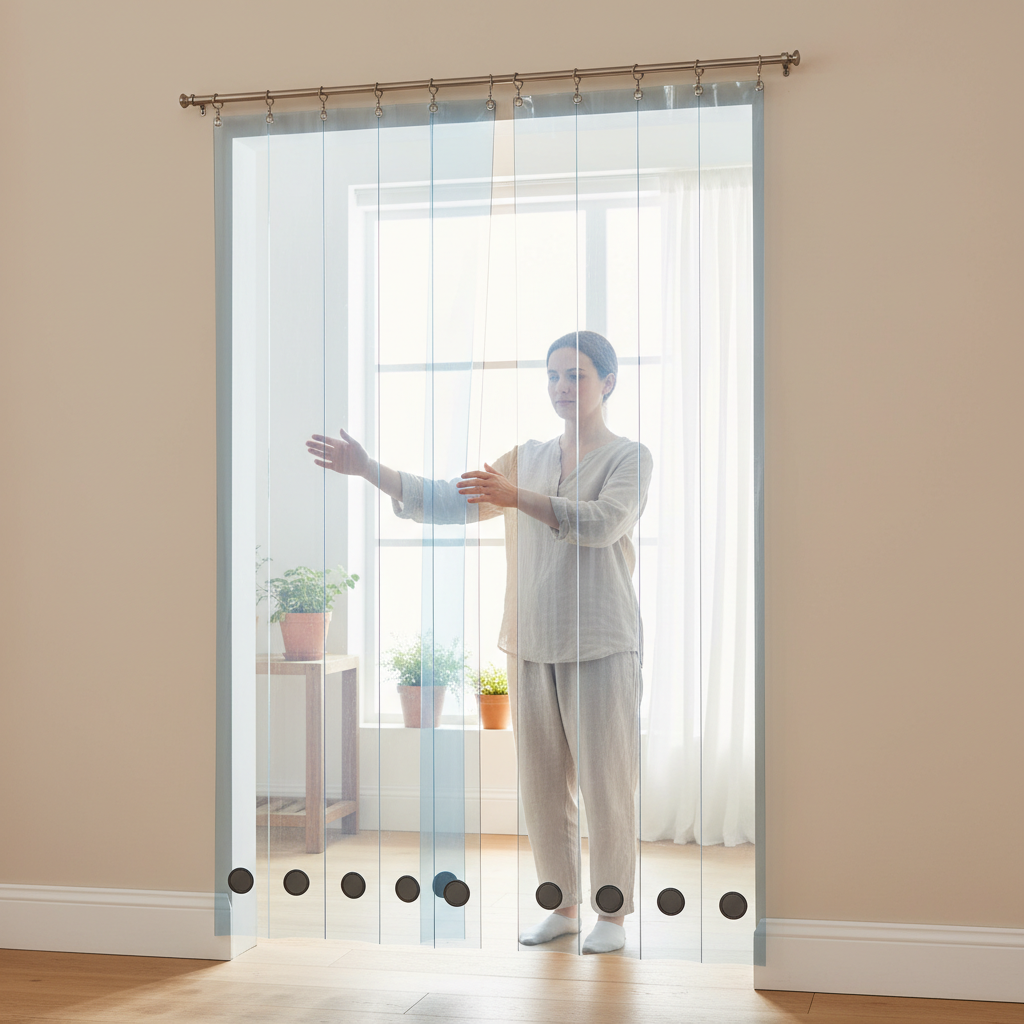
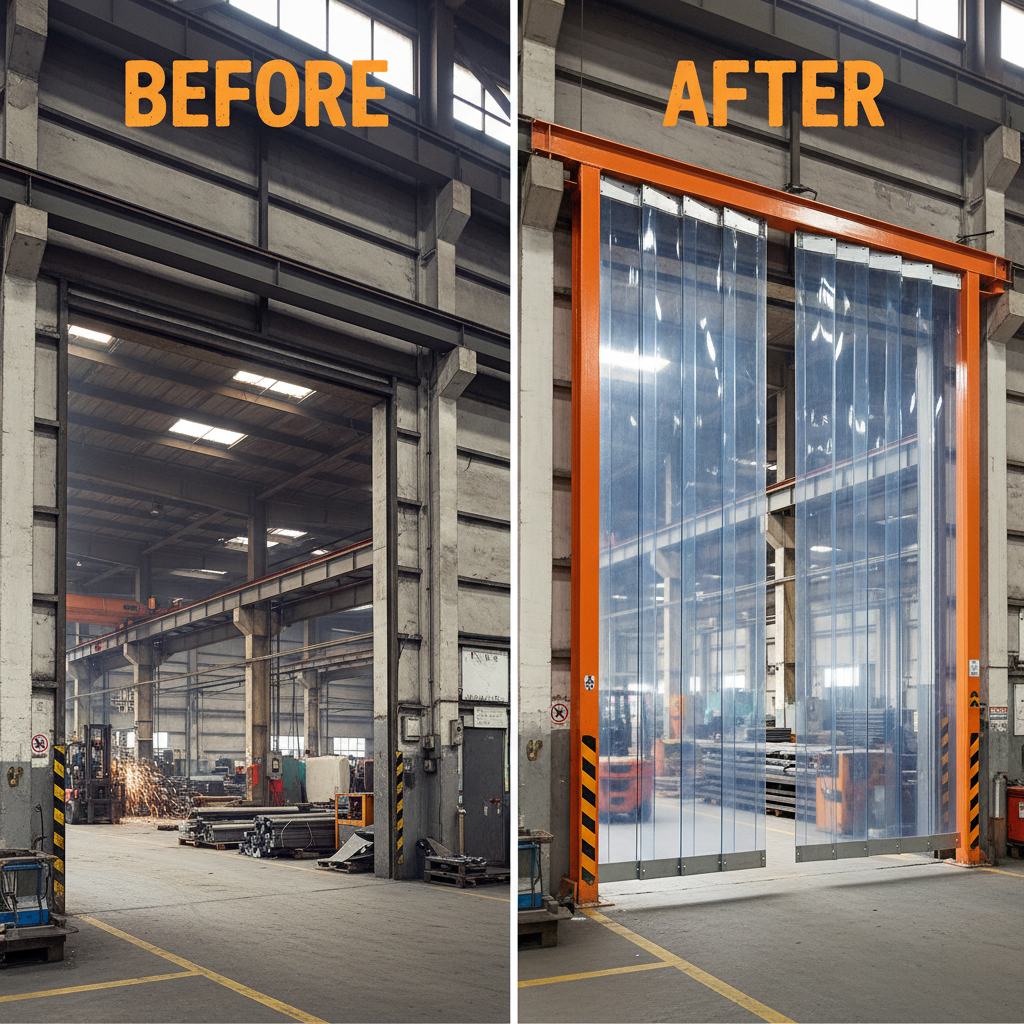
Magnetic doorway curtains, also known as PVC strip curtains, are rapidly gaining prominence as an efficient and cost-effective solution for controlling environmental factors in a wide range of industries. Globally, the demand for these curtains is driven by a growing need for temperature control, noise reduction, dust containment, and improved workplace safety. Their ability to create a barrier while allowing for the free flow of personnel and equipment makes them an invaluable asset in modern facilities.
The increasing emphasis on energy conservation and sustainable practices further fuels the adoption of magnetic doorway curtains. By minimizing heat loss or gain, these curtains contribute to reduced energy consumption and lower operational costs for businesses. The growing industrial sector in emerging economies, coupled with stricter environmental regulations, continues to drive market expansion and innovation.
Understanding the nuances of magnetic doorway curtains – from material composition to installation techniques – is crucial for optimizing their performance and maximizing their benefits. This comprehensive guide will delve into the key aspects of these versatile solutions, offering insights into their applications, advantages, and future trends.
The Essential Role of Magnetic Doorway Curtains in Modern Industries
Magnetic doorway curtains are more than just simple dividers; they are crucial components in maintaining efficient and safe working environments. From food processing plants requiring stringent hygiene standards to cold storage facilities demanding precise temperature control, these curtains play a vital role in operational success. Their adaptable design and ease of installation make them a popular choice for businesses of all sizes seeking to optimize their facilities.
The versatility of magnetic doorway curtains extends beyond industrial applications. They are increasingly utilized in healthcare settings to minimize contamination, in retail spaces to control air flow and reduce energy costs, and in agricultural environments to protect crops from pests and adverse weather conditions. This broad range of applications underscores their growing importance in modern industries.
Understanding Magnetic Doorway Curtain Technology
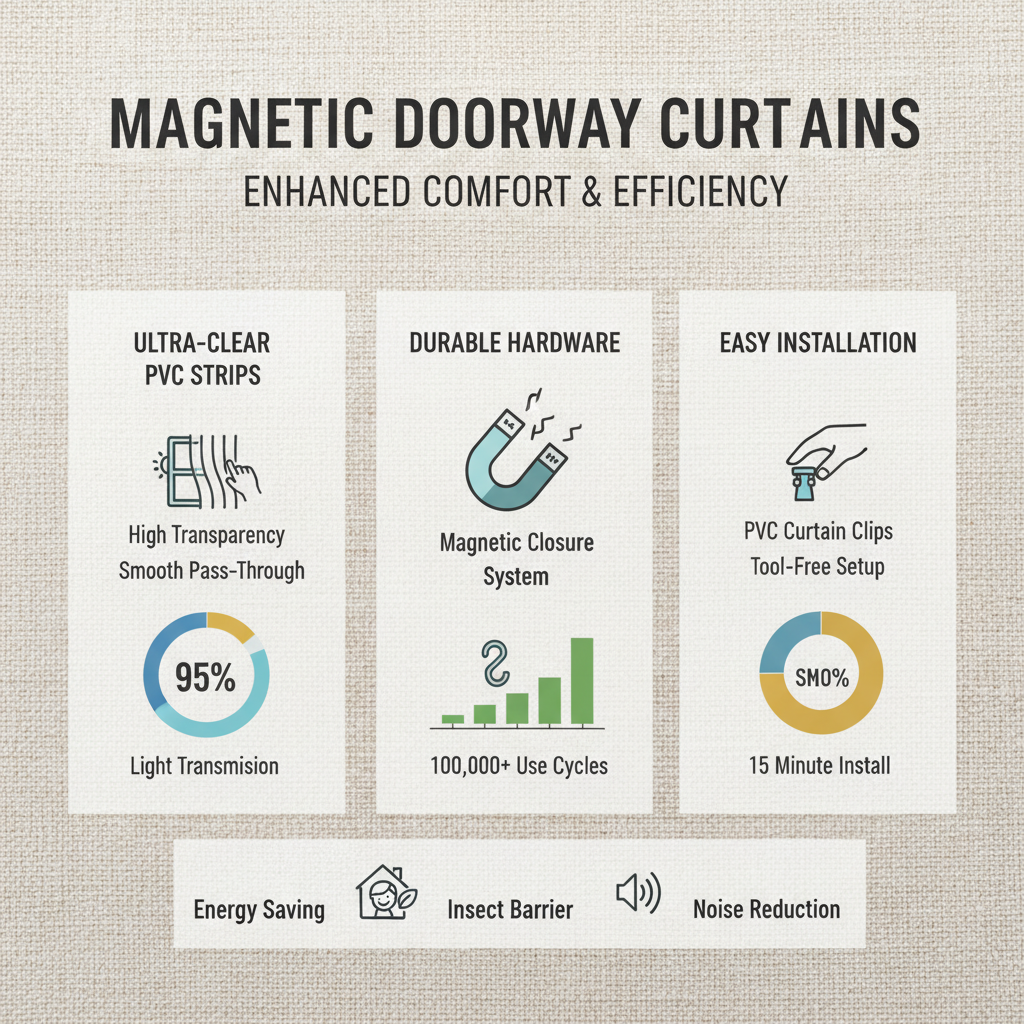
The core technology behind magnetic doorway curtains lies in the combination of durable PVC strips and strategically placed magnetic closures. These magnetic elements create a self-closing barrier, ensuring minimal gaps and maximizing the curtain's effectiveness in containing temperatures, controlling dust, and reducing noise. The PVC material itself is known for its resilience, flexibility, and resistance to wear and tear, making it ideal for high-traffic areas.
Different grades of PVC are available, each offering varying levels of transparency, thickness, and UV protection. Selecting the appropriate PVC grade is critical for ensuring the curtain meets the specific needs of the application. Factors such as ambient temperature, exposure to sunlight, and the level of impact resistance required all influence the choice of material.
The magnetic closure systems are designed for reliability and ease of use. They allow for quick and easy passage while automatically sealing the opening once personnel or equipment have passed through. This self-closing feature is a key advantage, minimizing energy loss and maintaining a controlled environment.
Key Components and Material Science Behind Magnetic Doorway Curtains
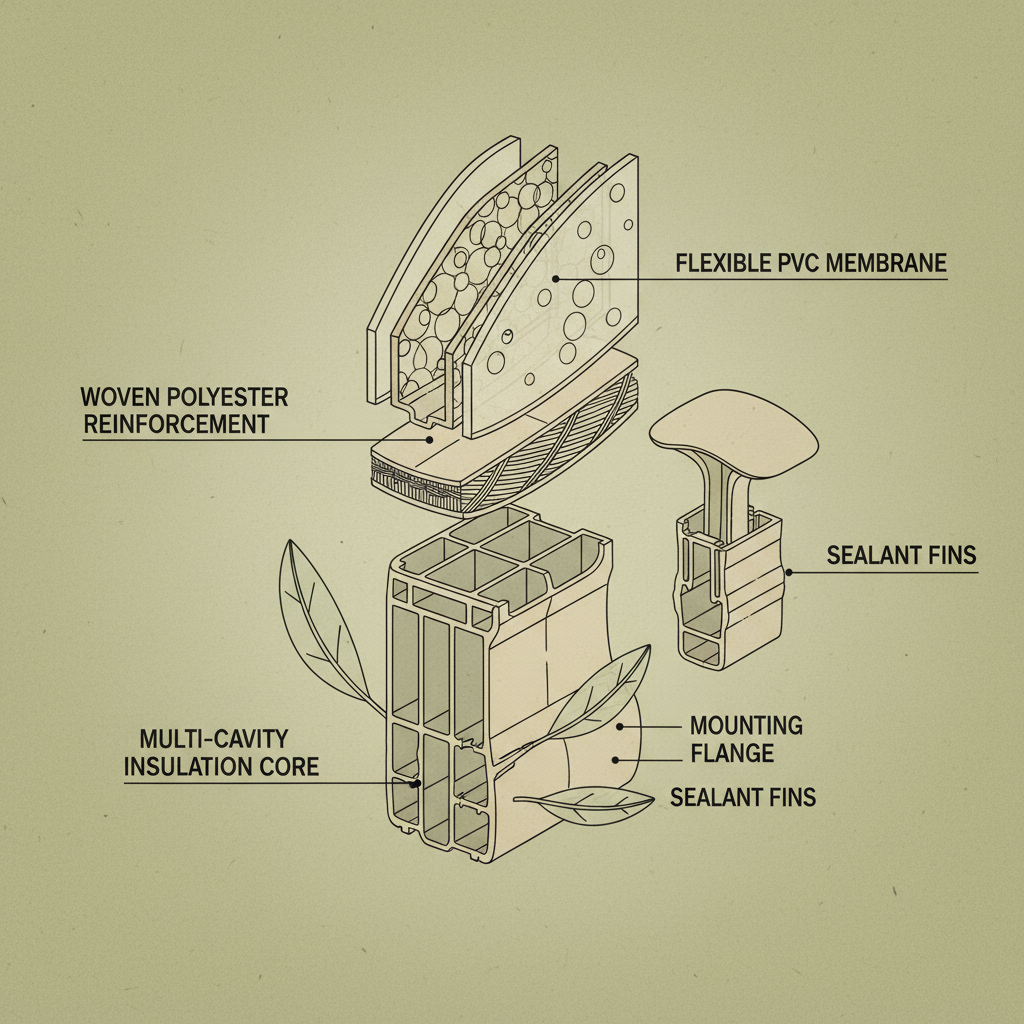
The construction of magnetic doorway curtains relies on a synergistic combination of materials, each chosen for its specific properties. PVC (Polyvinyl Chloride) remains the dominant material for the strips, offering a balance of cost-effectiveness, durability, and flexibility. However, advancements in polymer science have led to the development of specialized PVC formulations with enhanced characteristics like improved UV resistance and flame retardancy.
The magnetic closures are typically composed of ferrite magnets encased in a protective coating to prevent corrosion. The strength of these magnets is crucial for ensuring a secure and reliable seal. Moreover, the mounting hardware, often made of galvanized steel or stainless steel, plays a significant role in the curtain's longevity and resistance to environmental factors. The quality of these components directly influences the overall performance and lifespan of the system.
Recent innovations focus on integrating advanced materials like polyurethane for enhanced flexibility and abrasion resistance. Researchers are also exploring the use of rare-earth magnets for stronger magnetic closures and improved sealing capabilities. Understanding the material science behind each component is essential for selecting the most appropriate configuration for a given application, especially when dealing with extreme temperatures or harsh environments.
Performance Metrics and Efficiency of Magnetic Doorway Curtains
Evaluating the performance of magnetic doorway curtains requires considering several key metrics, including thermal insulation, air tightness, noise reduction, and durability. Thermal insulation is typically measured by calculating the U-value, which represents the rate of heat transfer through the curtain. Lower U-values indicate better insulation performance.
Air tightness is assessed by measuring the air leakage rate, which indicates how effectively the curtain prevents air exchange between different zones. Noise reduction is quantified using the Sound Transmission Class (STC) rating, with higher STC values representing greater noise attenuation.
Performance Metrics Comparison of Different Magnetic Doorway Curtain Configurations
Global Applications and Industry-Specific Use Cases for Magnetic Doorway Curtains
Magnetic doorway curtains find diverse applications across a multitude of industries worldwide. In the food and beverage sector, they create hygienic barriers preventing contamination and maintaining temperature control in processing and storage areas. In manufacturing facilities, they isolate work zones, reduce noise levels, and protect against dust and debris.
Healthcare facilities utilize these curtains to maintain sterile environments, minimize the spread of infection, and control air flow in sensitive areas. Agricultural applications include protecting greenhouses from pests and regulating temperature within livestock barns. In remote industrial zones, they provide a cost-effective solution for maintaining a controlled environment where complex HVAC systems are impractical.
Long-Term Benefits and Return on Investment with Magnetic Doorway Curtains
Investing in magnetic doorway curtains yields a compelling return on investment through reduced energy costs, improved workplace safety, and increased operational efficiency. By minimizing heat loss or gain, these curtains significantly lower energy consumption, leading to substantial savings on utility bills. The enhanced safety features, such as reduced noise levels and improved visibility, contribute to a more productive and secure work environment.
Furthermore, the durability and low maintenance requirements of magnetic doorway curtains minimize long-term costs associated with repairs and replacements. Their ability to enhance hygiene standards and protect sensitive equipment further adds to their overall value. The long-term benefits extend beyond financial gains, fostering a more sustainable and responsible business practice.
The initial investment is relatively low compared to installing and maintaining traditional doors or HVAC systems, making them an accessible solution for businesses of all sizes.
Future Trends and Innovations in Magnetic Doorway Curtain Technology
The future of magnetic doorway curtains is poised for exciting advancements driven by emerging technologies and a growing focus on sustainability. Researchers are exploring the integration of smart sensors and automated control systems to optimize curtain performance and energy efficiency. These systems could automatically adjust curtain configurations based on environmental conditions and traffic patterns.
The development of self-healing PVC materials promises to further enhance the durability and lifespan of these curtains, reducing the need for frequent replacements. Moreover, the incorporation of recycled and biodegradable materials is gaining traction, aligning with the principles of circular economy and environmental responsibility.
Digitalization is also playing a role, with the development of virtual modeling tools that allow businesses to accurately assess the optimal configuration of magnetic doorway curtains for their specific needs. These innovations will undoubtedly expand the applications and benefits of this versatile technology.
Summary of Challenges and Solutions in Optimizing Magnetic Doorway Curtain Performance
| Challenge |
Impact on Magnetic Doorway Curtains |
Proposed Solution |
Implementation Details |
| Maintaining Seal Integrity in High-Traffic Areas |
Reduced thermal insulation and increased air leakage |
Reinforced Magnetic Closures |
Utilize stronger rare-earth magnets and overlap strip configuration. |
| UV Degradation of PVC |
Brittleness, discoloration, and reduced flexibility |
UV Stabilized PVC Formulations |
Incorporate UV absorbers and stabilizers during PVC production. |
| Abrasion and Tear Resistance |
Premature failure in industrial environments |
Use of Polyurethane Strips |
Replace PVC strips with polyurethane for enhanced abrasion resistance. |
| Temperature Extremes |
PVC becoming brittle in cold or warping in heat |
Specialized PVC Compounds |
Employ PVC formulations designed for specific temperature ranges. |
| Maintenance and Cleaning |
Accumulation of dirt and debris affecting performance |
Anti-Static PVC Coatings |
Apply coatings to minimize dust and dirt adhesion. |
| Installation Complexity |
Incorrect installation leading to gaps and reduced effectiveness |
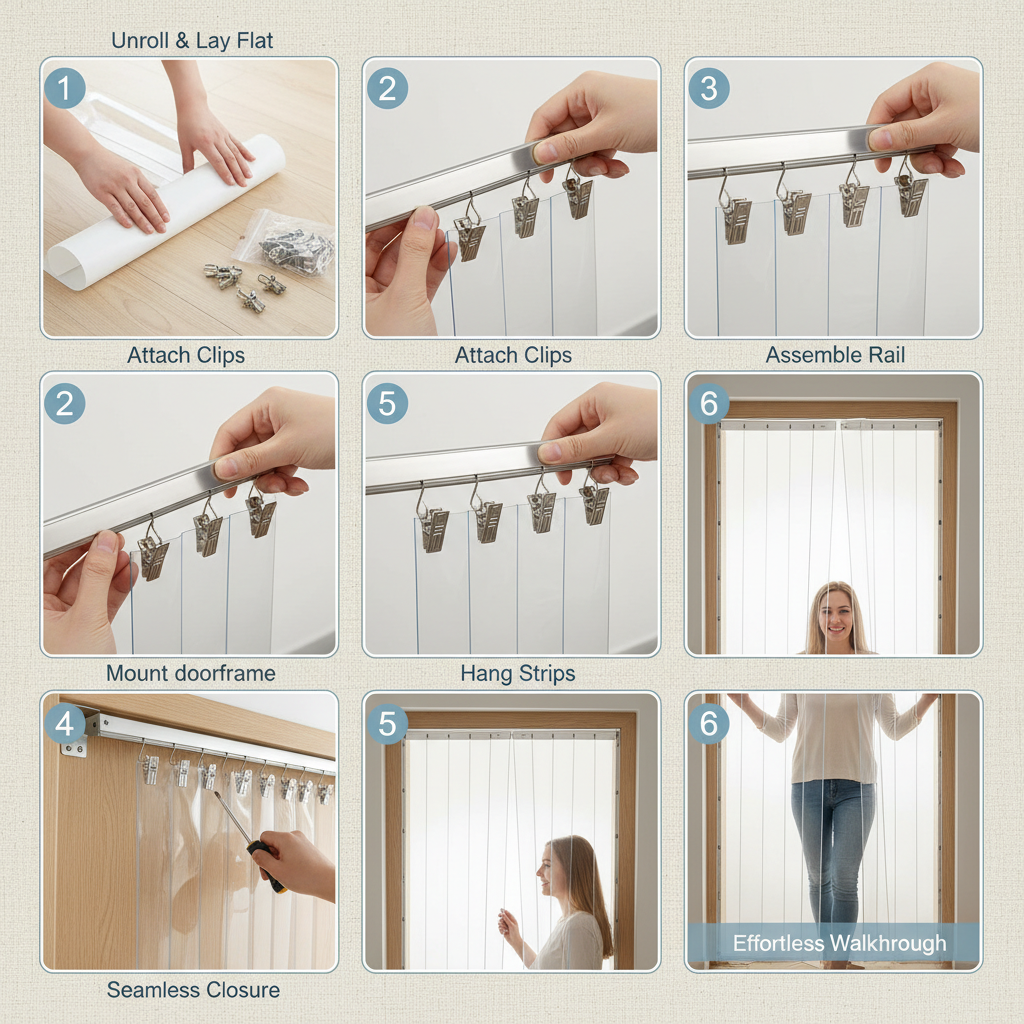
Modular Mounting Systems |
Utilize pre-fabricated mounting kits for simplified installation. |
FAQS
Magnetic doorway curtains offer several benefits compared to traditional doors, including cost-effectiveness, ease of installation, improved traffic flow, and enhanced safety. Unlike doors, they don't require a complicated frame or hinges and allow for quick and easy passage of personnel and equipment while still providing a thermal and dust barrier. They are also less prone to damage, reducing maintenance costs.
The optimal PVC thickness depends on the specific application and the level of protection required. For standard temperature control and dust containment in low-traffic areas, a thickness of 2mm is generally sufficient. However, for high-traffic areas, cold storage facilities, or environments with potential impact, a thicker PVC of 3mm or more is recommended. Consider also the UV exposure and potential chemical exposure when selecting the thickness.
Yes, magnetic doorway curtains are an excellent solution for cold storage environments. Specialized "Low Temperature" PVC formulations are designed to remain flexible and durable even at extremely low temperatures, preventing cracking and maintaining a tight seal. This minimizes heat infiltration and helps preserve the integrity of the cold storage environment. Properly selected curtains can significantly reduce energy costs in these facilities.
Magnetic doorway curtains are remarkably easy to clean and maintain. Regular cleaning with mild soap and water is typically sufficient to remove dust and debris. The smooth surface of the PVC strips prevents the accumulation of dirt. Unlike traditional doors, there are no hinges, tracks, or complex mechanisms to maintain, reducing downtime and maintenance costs.
Absolutely. Magnetic doorway curtains are highly customizable to fit a wide range of opening sizes and shapes. The strips can be cut to length, and the mounting hardware can be adjusted to accommodate different configurations. Manufacturers offer custom fabrication services to ensure a perfect fit, maximizing the curtain's effectiveness and aesthetic appeal.
The lifespan of a magnetic doorway curtain installation depends on factors such as the quality of materials, the level of traffic, and the environmental conditions. However, with proper installation and maintenance, a typical installation can last for 5-10 years or even longer. Using high-quality PVC and magnetic components, along with regular cleaning, can significantly extend the curtain's lifespan.
Conclusion
In conclusion, magnetic doorway curtains represent a versatile, cost-effective, and increasingly essential solution for a wide range of industries. Their ability to control environmental factors, enhance safety, and improve operational efficiency makes them a valuable asset for businesses seeking to optimize their facilities and reduce their environmental impact. From food processing to healthcare, and manufacturing to agriculture, the applications are diverse and continually expanding.
Looking ahead, continued innovation in materials science and smart technology promises to further enhance the performance and functionality of magnetic doorway curtains. By embracing these advancements, businesses can unlock even greater benefits and contribute to a more sustainable future. Explore our comprehensive range of magnetic doorway curtains today and discover the ideal solution for your needs.