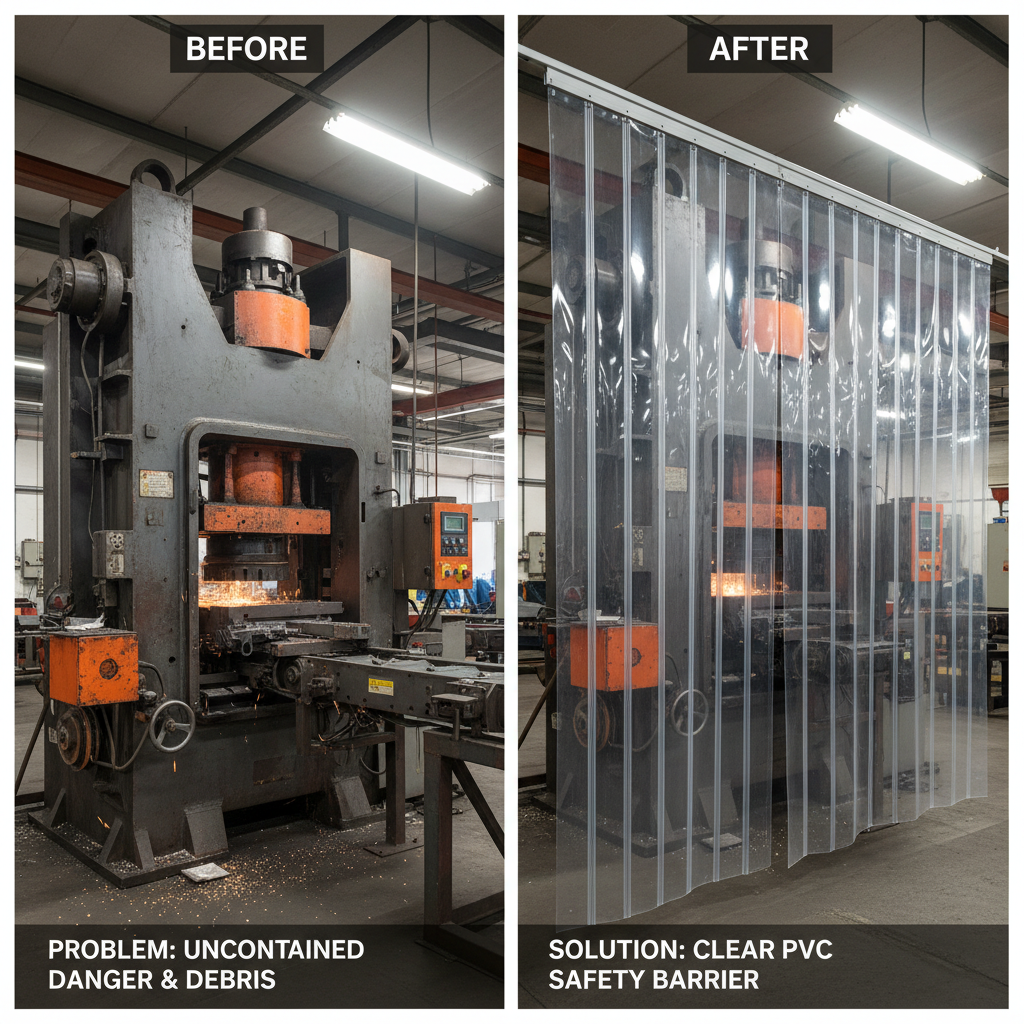
Look, I’ve spent the last fifteen years crawling around construction sites, getting dust in my teeth, and figuring out what actually works when you need to secure things quickly and reliably. And let me tell you, the simplicity and effectiveness of a good door magnetic curtain is something you don't fully appreciate until you're staring down a deadline and need a clean, fast separation. We’re talking about more than just keeping dust out; it’s about controlling environments, improving safety, and streamlining workflows. It's a game changer when you are thinking about temporary isolation.
For too long, contractors have relied on clunky plastic sheeting, taped-up tarps, or expensive, complicated systems. These options take too much labor, are prone to damage, and frankly, look awful. That's where these magnetic curtains shine. They're a quick, reusable solution that actually looks professional. I've seen them used for everything from isolating welding areas to creating cleanrooms for sensitive work, and they consistently outperform the alternatives in terms of cost, time, and durability. They are surprisingly versatile.
The key isn’t just the magnets, it's the whole system – the heavy-duty materials, the reinforced edges, and the thoughtful design that allows for easy installation and removal. I've seen guys try to DIY something similar, and it always ends up a mess. These are engineered solutions, and you get what you pay for in terms of longevity and performance. It’s a tool that saves time and reduces headaches, and on a construction site, that’s worth its weight in gold.
The Core Utility of door magnetic curtain
Let's be clear: door magnetic curtain isn’t about making things pretty, although a cleaner job site is a bonus. It's about functionality. It’s about creating a temporary, adaptable barrier that can isolate work areas, control dust and debris, and maintain temperature differentials. From renovating hospitals to building data centers, it solves a fundamental problem: keeping things separate without the hassle of permanent construction.
I’ve seen crews save hours on cleanup simply by using these curtains to contain sanding or demolition work. And when you're charging by the hour, those savings add up fast. The ability to quickly reconfigure a workspace based on changing needs is invaluable, too. It’s a flexible system that adapts to the job, not the other way around.
Global Demand and Industry Relevance
The demand for effective workspace isolation is global and growing. Think about it: stricter regulations regarding dust control in construction, the increasing need for cleanroom environments in manufacturing and healthcare, and the rise of modular construction all contribute to a demand for solutions like these curtains. The UN Environment Programme is pushing for more sustainable construction practices, and reducing waste and improving air quality are key components of that.
I’ve worked on projects in Europe, the Middle East, and North America, and the need is the same everywhere: contractors are looking for ways to work smarter, not harder. These curtains offer a cost-effective alternative to traditional construction methods for temporary isolation, reducing project timelines and minimizing disruptions. They’re becoming a standard tool in the toolbox for any serious contractor.
The ISO standards for cleanroom environments are also driving demand. Maintaining those standards requires strict control of air quality, and door magnetic curtain systems are a key component in achieving that. It's not just about building a cleanroom; it's about maintaining it, and these curtains make that process significantly easier and more efficient.
Defining door magnetic curtain: A Practical Overview
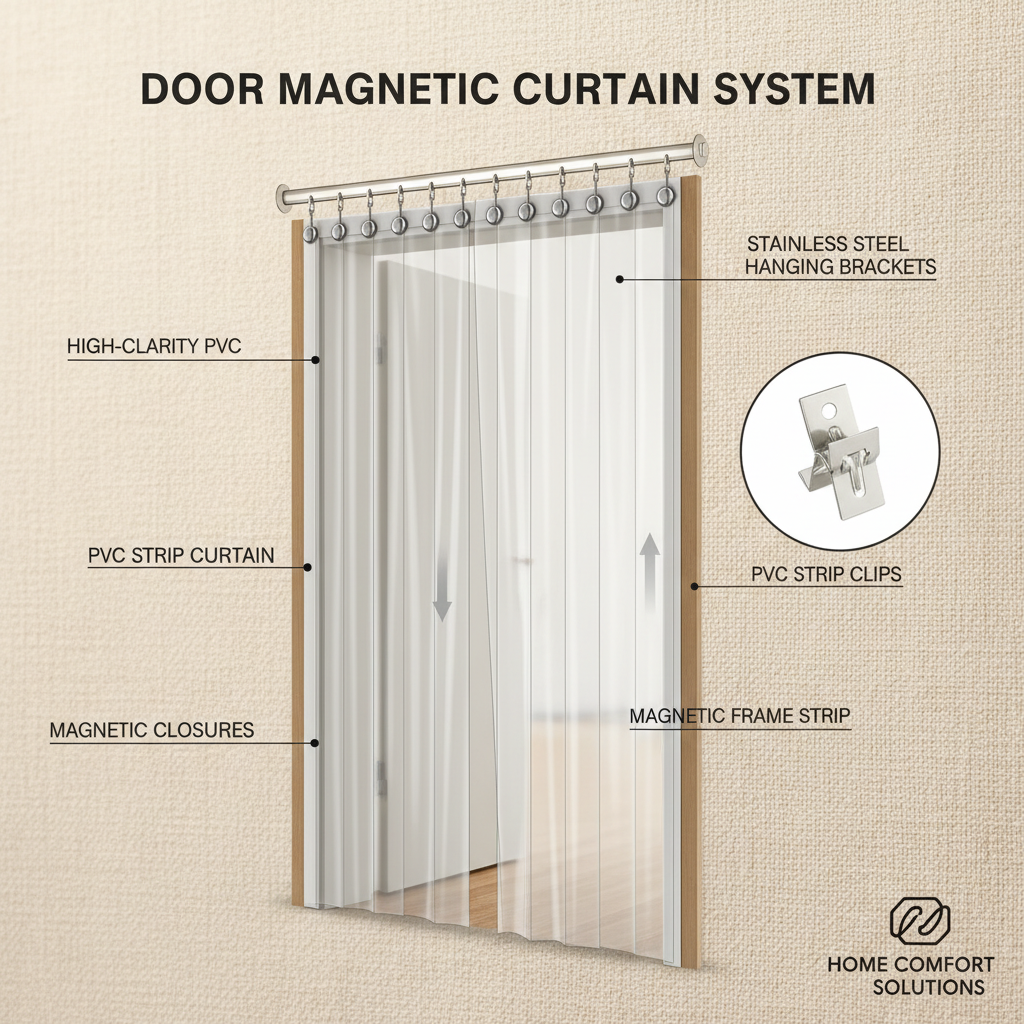
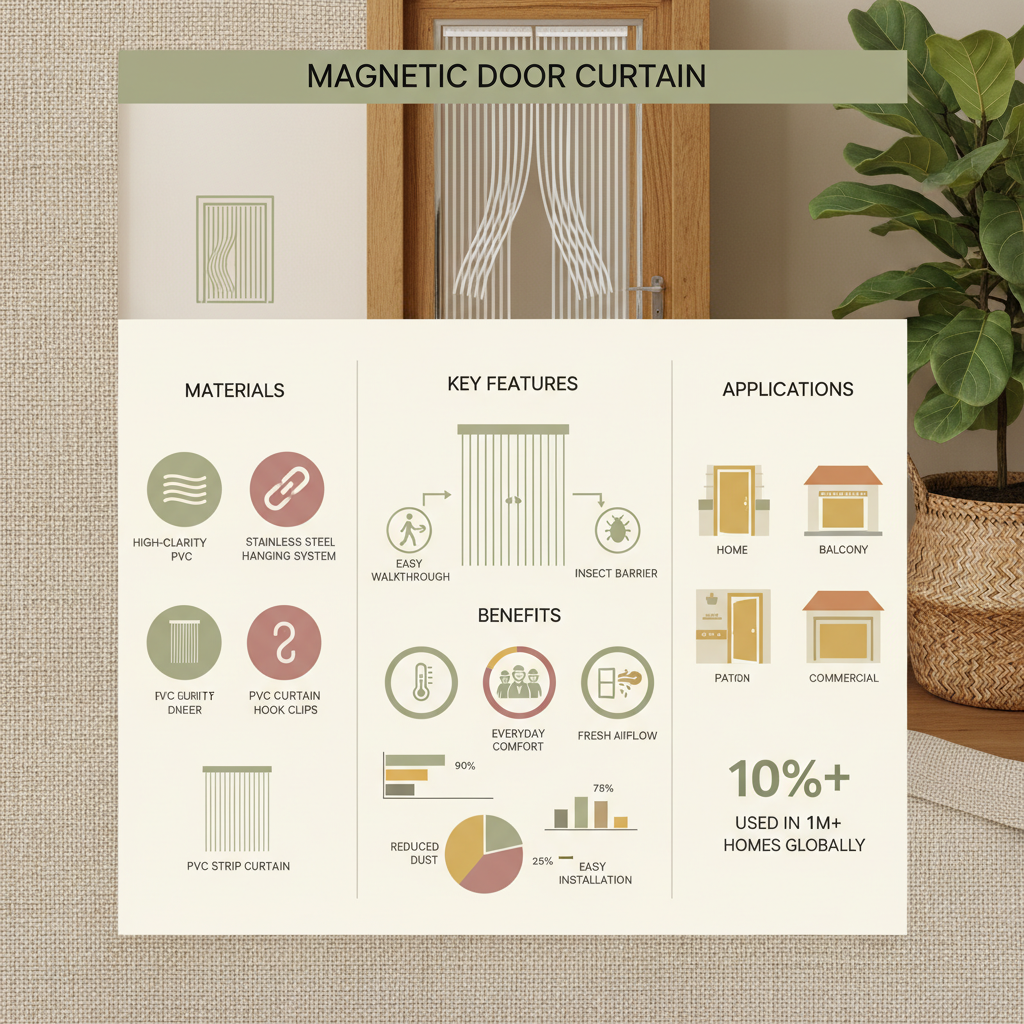
Simply put, a door magnetic curtain system consists of heavy-duty, flexible panels with embedded magnets along the edges. These magnets allow the panels to quickly and securely attach to metal frames or surfaces, creating a temporary wall or barrier. They're designed to be reusable, easy to install and remove, and capable of withstanding the rigors of a construction site.
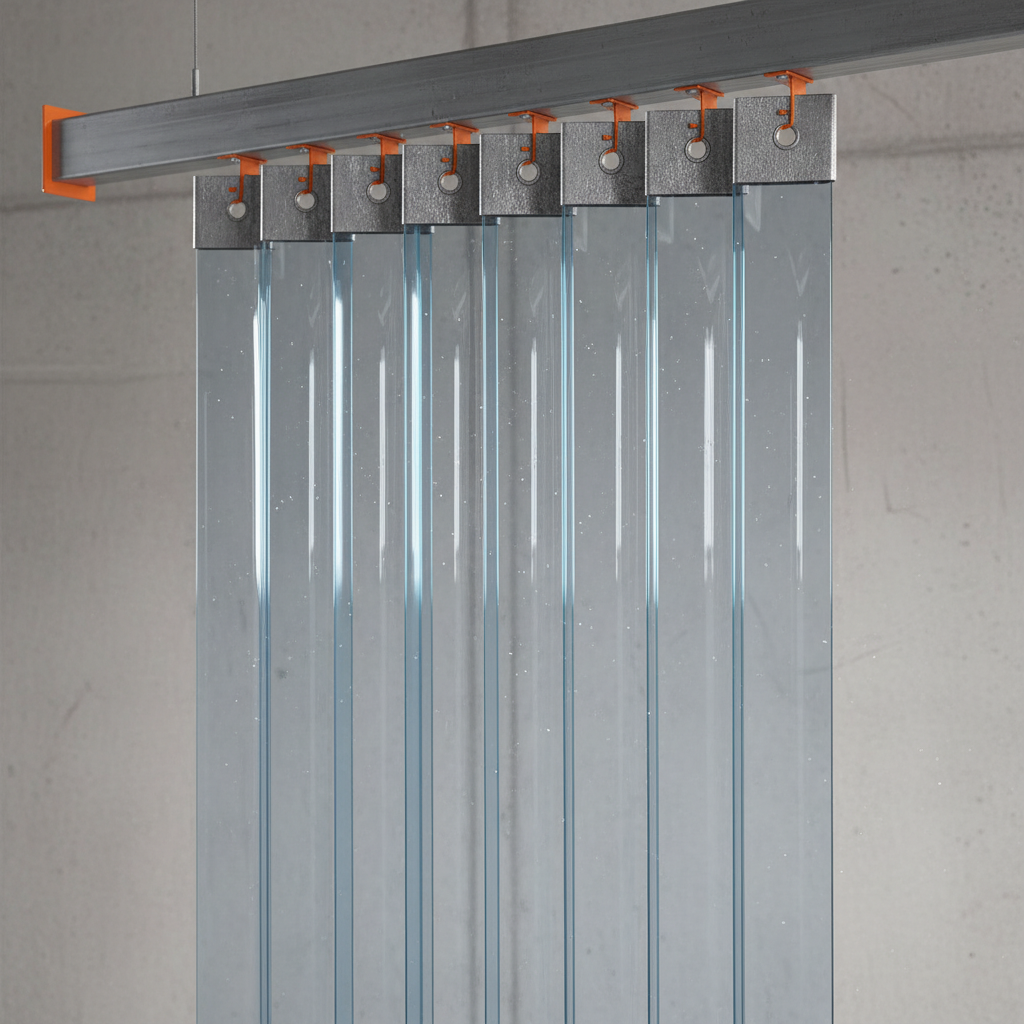
They’re not just slapping magnets onto plastic sheeting. Good systems utilize strategically placed, high-strength magnets, reinforced edges to prevent tearing, and durable materials that can withstand repeated use. The best ones also include features like weighted hems to keep the curtains from flapping in the wind and grommets for additional tie-down points.
The connection to modern industry is clear. As construction becomes more specialized and the demand for clean, controlled environments increases, the need for adaptable and efficient isolation solutions grows. These curtains provide a practical, cost-effective answer to that need, bridging the gap between traditional construction and modern requirements.
Key Performance Factors for door magnetic curtain
There’s more to it than just slapping up some plastic. Durability is paramount. These things need to withstand daily wear and tear, accidental impacts, and exposure to the elements. A strong, tear-resistant material is non-negotiable.
Magnetic strength is another crucial factor. Weak magnets mean gaps in the barrier, compromising containment and reducing effectiveness. You need a strong, consistent magnetic hold that can withstand movement and vibration.
door magnetic curtain Performance Metrics
Real-World Applications: Where door magnetic curtain Thrives
I’ve seen these curtains used everywhere from large-scale commercial renovations to small, specialized projects. In post-disaster relief operations, they’re invaluable for creating temporary medical facilities or safe zones. They can quickly set up a clean environment where one previously did not exist.
In remote industrial zones, where dust and debris are a constant issue, they provide a cost-effective way to maintain clean workspaces and protect sensitive equipment. And increasingly, I'm seeing them used in healthcare facilities for creating isolation rooms during outbreaks or renovations.
Long-Term Benefits and Value Proposition
The tangible benefits are obvious: reduced labor costs, faster project completion times, and improved safety. But beyond that, there's a real value in creating a more professional and organized work environment. It improves morale, reduces errors, and ultimately, contributes to a higher-quality finished product.
The sustainability aspect is also important. These curtains are reusable, reducing waste and minimizing the environmental impact of construction projects. That's a big win for everyone. They provide both tangible economic benefits and contribute to environmentally sound practices.
It’s an investment that pays for itself quickly by cutting down on time-wasting tasks and providing a safer, more controlled work environment. It’s about working smarter, not just harder.
Future Trends and Innovation in door magnetic curtain Technology
I expect to see continued innovation in the materials used for these curtains, with a focus on increased durability, lighter weight, and improved magnetic strength. We’re already seeing systems that incorporate antimicrobial coatings for healthcare applications, which is a huge step forward.
Integration with smart technology is another area to watch. Imagine curtains that can automatically adjust their configuration based on environmental sensors or integrate with building management systems. That’s the kind of efficiency we’re striving for.
The push for more sustainable construction practices will also drive demand for eco-friendly materials and manufacturing processes. I’m keeping an eye on developments in biodegradable polymers and recycled magnetic materials.
Overview of Challenges and Potential Solutions in door magnetic curtain Implementation
| Challenge |
Impact on Project |
Potential Solution |
Implementation Cost |
| Limited Magnetic Surface Area |
Reduced Stability and Potential Gaps |
Utilize Additional Mounting Hardware (e.g., clamps, tie-downs) |
$50 - $200 |
| Material Degradation Over Time |
Decreased Durability and Reduced Effectiveness |
Invest in High-Quality, UV-Resistant Materials |
$100 - $500 (Initial Investment) |
| Difficulty in Large Span Applications |
Curtain Sagging or Instability |
Implement Support Structures (e.g., internal bracing) |
$300 - $1000 |
| Air Leakage in High-Pressure Environments |
Compromised Containment and Reduced Efficiency |
Utilize Overlapping Curtain Panels and Sealing Strips |
$20 - $100 |
| Limited Fire Resistance |
Potential Safety Hazard in Fire-Prone Areas |
Select Fire-Retardant Materials and Coatings |
$150 - $400 |
| Incompatible Surface Materials |
Reduced Magnetic Adhesion and System Instability |
Apply Magnetic Primer or Use Alternative Mounting Solutions |
$50 - $300 |
FAQS
That’s a good question. It depends on how rough you are with it. With proper care – avoiding excessive abrasion, storing it correctly when not in use – a well-made system should last for several years, even on demanding construction sites. We've seen some still going strong after five years of heavy use. The key is the material quality and the strength of the seams and magnets. It’s an upfront investment that pays off in reduced replacement costs.
They can be, but you need to consider the wind load. Most systems have weighted hems to help keep them in place, but for consistently high winds, you’ll want to use additional tie-down points. We recommend securing the curtains with straps or bungee cords to prevent them from flapping and potentially damaging the magnets. Look for systems designed with reinforced grommets for easy tie-down.
Extremely easy. Most can be wiped down with a damp cloth and mild detergent. Some are even machine washable, but always check the manufacturer’s instructions first. Regular cleaning is important to maintain their appearance and prevent the buildup of dust and debris, which can reduce magnetic adhesion over time.
Fire safety is critical, and it varies by manufacturer. Look for curtains that are made from fire-retardant materials and have been tested to meet relevant safety standards. Always check the product specifications and ensure they comply with local building codes. Some systems even offer self-extinguishing properties.
Some can, but it's not always recommended. Cutting the curtains can compromise the integrity of the magnetic seals and potentially create weak points. If you need a custom size, it’s best to order curtains that are already cut to your specifications from the manufacturer. It’s also important to consider how the cut affects the reinforcement of edges.
They work best on ferrous metal surfaces, like steel and iron. Aluminum and stainless steel are trickier, as the magnetic hold is significantly weaker. For non-magnetic surfaces, you’ll need to use additional mounting hardware, like clamps or adhesive strips. Always test the magnetic hold before relying on it for a critical application.
Conclusion
In short, door magnetic curtain offers a practical, efficient, and cost-effective solution for a wide range of workspace isolation needs. From improving safety and controlling dust to streamlining workflows and enhancing professionalism, the benefits are clear. It’s a tool that any serious contractor or facility manager should have in their arsenal.
Looking ahead, I anticipate continued innovation in this space, with a focus on more sustainable materials, smarter integration with building management systems, and improved safety features. If you’re looking for a way to work smarter, reduce costs, and improve the overall efficiency of your projects, I highly recommend taking a closer look at what these curtains have to offer.