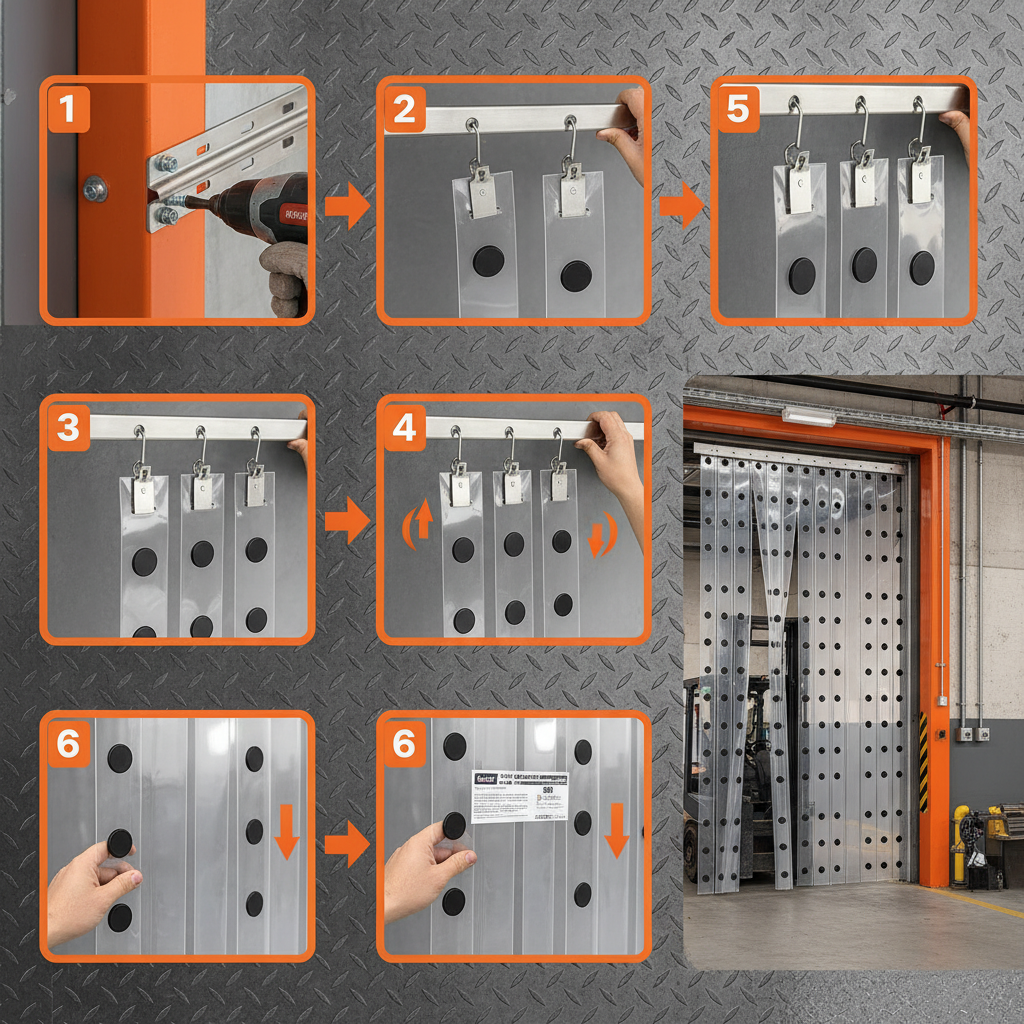
pvc rolling curtains are rapidly becoming a cornerstone of modern infrastructure, offering versatile solutions across a diverse range of applications, from industrial spaces and agricultural settings to residential and commercial buildings. Their adaptability, coupled with increasing affordability and improved material science, has propelled their global relevance. Understanding the nuances of these curtains—their construction, installation, and maintenance—is crucial for engineers, architects, and facility managers seeking efficient and cost-effective environmental control solutions.
The demand for effective climate control and space division is surging worldwide, driven by factors like energy conservation efforts, stringent safety regulations, and the need for optimized workflow environments. pvc rolling curtains directly address these needs by providing customizable barriers against temperature fluctuations, dust, noise, and even unauthorized access. The global market for industrial doors and curtains, of which pvc rolling curtains represent a significant portion, is projected for substantial growth in the coming years, reflecting this increasing demand.
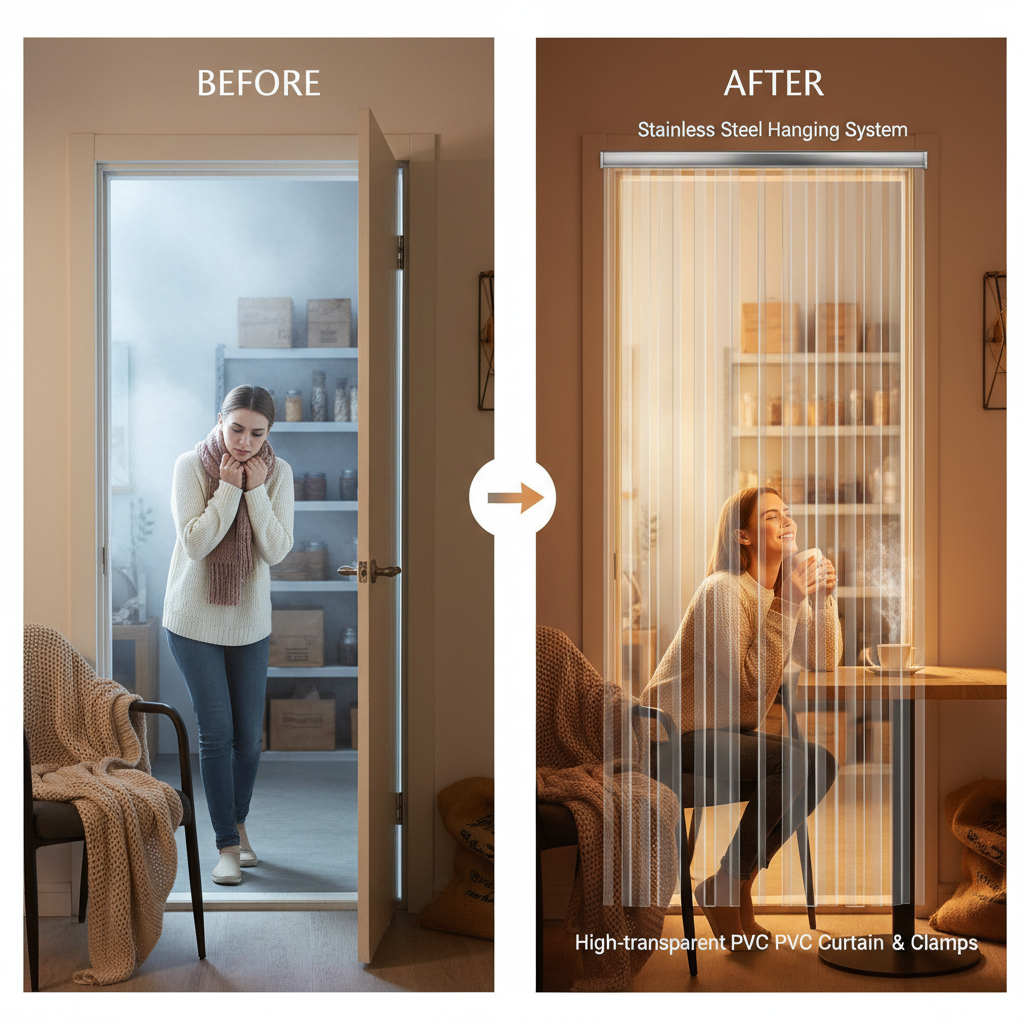
Furthermore, the ease of installation and relatively low lifecycle cost of pvc rolling curtains makes them particularly attractive in rapidly developing economies and disaster-prone regions where quick, reliable infrastructure solutions are paramount. Their application extends beyond simple temperature control; they play a vital role in maintaining hygiene standards in food processing facilities and controlling contamination in sensitive manufacturing environments.
Introduction to pvc Rolling Curtains
pvc rolling curtains offer a flexible and cost-effective solution for dividing spaces, controlling temperatures, and enhancing safety. They are commonly utilized in warehouses, factories, cold storage facilities, and agricultural environments, but their applications are rapidly expanding into more diverse sectors. Their ability to provide a customizable barrier without the permanence of traditional walls makes them incredibly versatile.
The core function of these curtains is to provide an adaptable barrier against various environmental factors. This includes maintaining consistent temperatures in refrigerated spaces, preventing dust and debris from entering sensitive production areas, and reducing noise pollution in industrial settings. The relatively simple design and installation process contribute to their widespread adoption.
Defining pvc Rolling Curtains
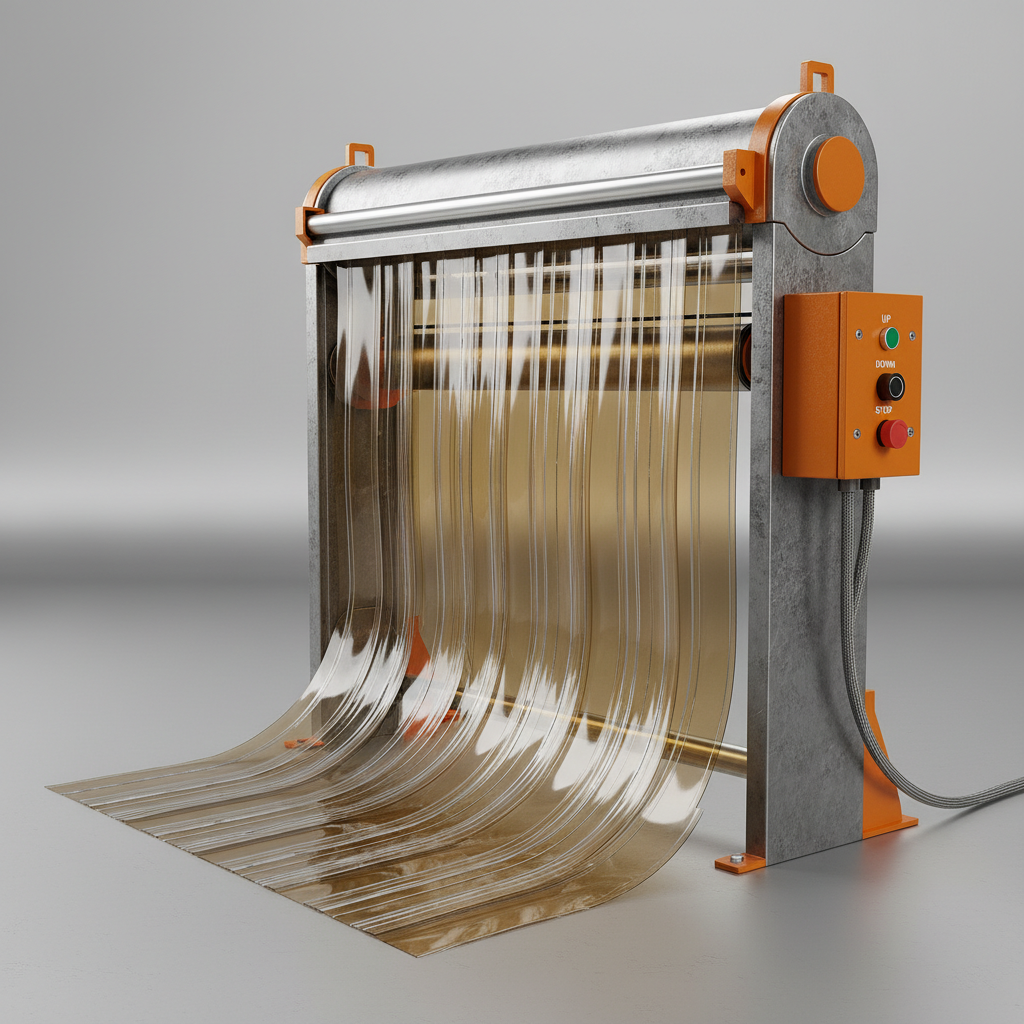
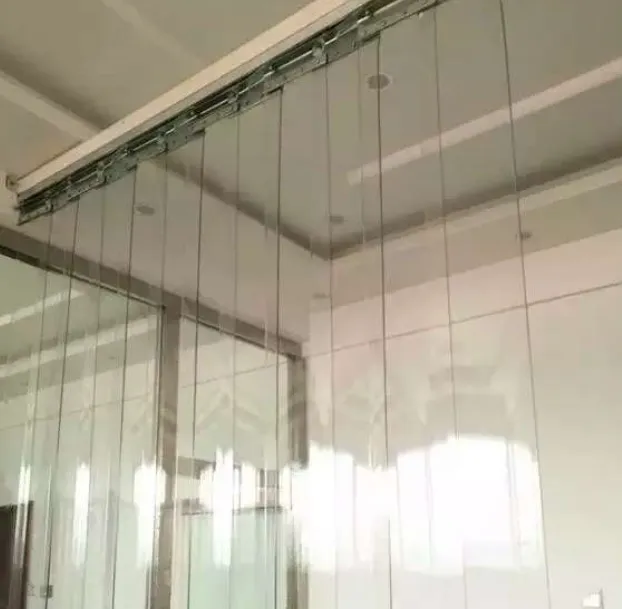
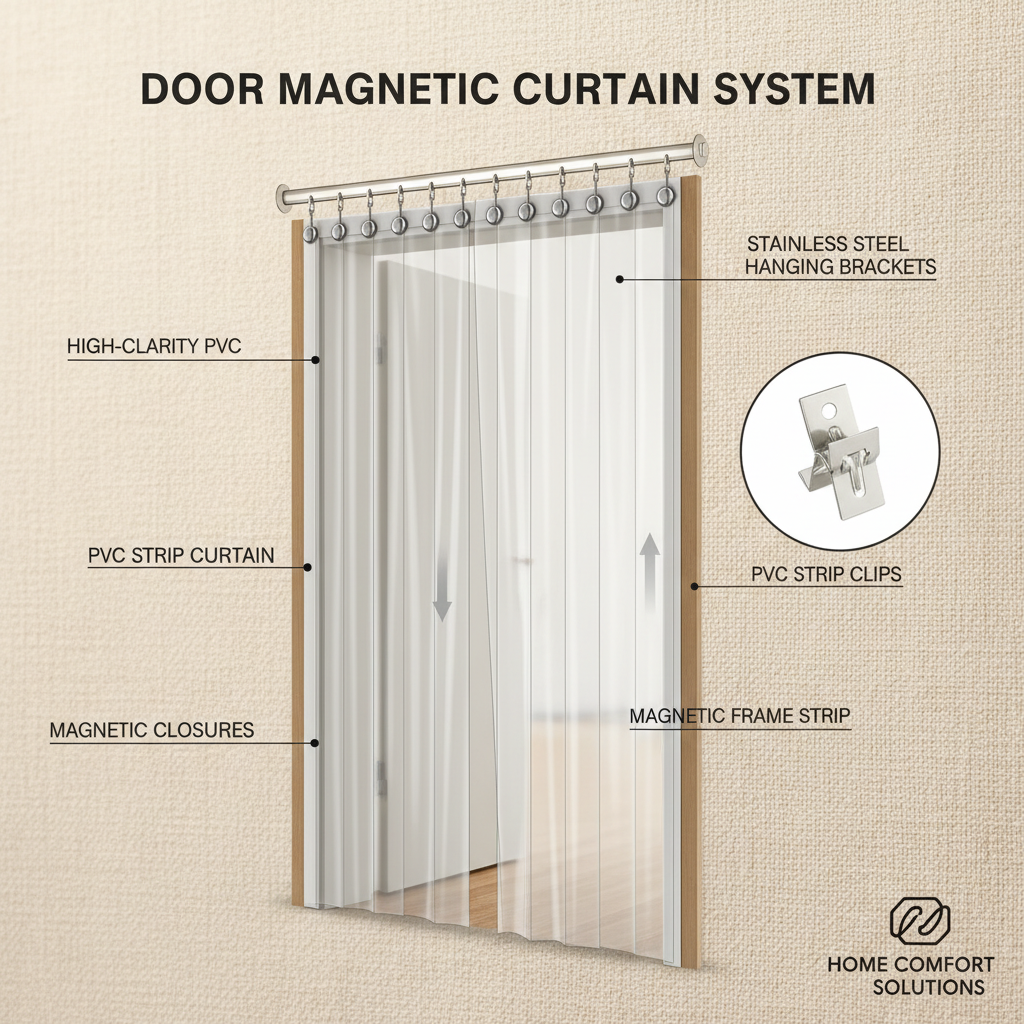
pvc rolling curtains are typically constructed from durable polyvinyl chloride (pvc) sheets suspended from a track system. These sheets are often reinforced with nylon mesh for increased strength and tear resistance. The curtains roll up and down along the track, allowing for complete or partial opening as needed. The system’s core components include the track, the pvc sheets, side seals, and a mechanism for raising and lowering the curtain.
They represent a significant advancement over traditional barrier methods like solid walls or simple tarpaulins. Unlike walls, they don’t require extensive construction and offer complete flexibility in space configuration. Compared to tarpaulins, pvc rolling curtains provide a more durable, aesthetically pleasing, and controllable solution.
Their connection to modern industry lies in the growing demand for efficient, adaptable, and safe working environments. They support lean manufacturing principles by allowing for quick and easy reconfiguration of workspaces, and they contribute to improved energy efficiency by minimizing temperature loss in climate-controlled areas.
Core Components and Features
The effectiveness of pvc rolling curtains hinges on several key components. First, the quality of the pvc material itself is crucial – higher-grade pvc offers greater durability, UV resistance, and temperature stability. Second, the track system must be robust and smoothly operating to ensure reliable movement of the curtain.
Third, proper sealing along the sides of the curtain is essential to minimize air leakage and maintain temperature control. Finally, the installation quality directly impacts the overall performance and longevity of the system; professional installation ensures correct tension, alignment, and secure mounting.
Key features include customizable sizes and transparency levels, allowing for tailored solutions to meet specific needs. Some curtains also feature weighted bottoms to ensure a tight seal, while others incorporate safety features like auto-reverse mechanisms to prevent accidents.
Key Performance Indicators of pvc Rolling Curtains
Evaluating the performance of pvc rolling curtains involves considering several key indicators. These include durability, measured by the material's resistance to tears, abrasion, and UV degradation; air tightness, which determines the curtain’s effectiveness in maintaining temperature control; and operational speed, impacting workflow efficiency.
Another vital indicator is the curtain’s noise reduction capability, particularly important in industrial settings where noise pollution is a concern. Furthermore, the ease of cleaning and maintenance affects the long-term cost of ownership. The overall value proposition of these curtains is directly tied to their performance across these metrics.
pvc Rolling Curtains Performance Comparison
Global Applications of pvc Rolling Curtains
The versatility of pvc rolling curtains has led to their widespread adoption across diverse global sectors. In the food processing industry, they maintain hygienic environments by preventing contamination. In cold storage facilities, they minimize temperature loss and energy consumption. Agricultural applications include controlling climate conditions within greenhouses and livestock shelters.
Industrially, they’re commonly used in manufacturing plants, warehouses, and distribution centers to create flexible work zones, isolate noise, and improve safety. In post-disaster relief operations, rapid deployment of these curtains can provide temporary shelter and separation of spaces.
Advantages and Long-Term Value
The advantages of using pvc rolling curtains are multifaceted. Cost-efficiency is a primary driver, as they offer a lower initial investment and reduced lifecycle costs compared to traditional construction methods. Sustainability is another key benefit; pvc is recyclable, and the energy savings achieved through improved temperature control contribute to a lower carbon footprint.
Beyond the tangible benefits, there's a significant impact on worker safety and productivity. Creating defined and controlled workspaces reduces the risk of accidents and enhances overall operational efficiency. The flexibility and adaptability of these curtains foster innovation and allow businesses to respond quickly to changing needs.
The long-term value lies in their durability, low maintenance requirements, and contribution to a more sustainable and efficient operating environment. Investing in high-quality pvc rolling curtains translates to long-term savings and improved overall performance.
Future Trends and Innovations
The future of pvc rolling curtains is closely tied to advancements in materials science and smart technology. Research is ongoing to develop even more durable, UV-resistant, and fire-retardant pvc formulations. Integration with sensor technology and automation systems is also gaining traction, enabling features like automatic opening and closing based on temperature or motion detection.
Furthermore, there’s a growing emphasis on incorporating sustainable practices into the manufacturing process, utilizing recycled pvc and minimizing waste. Digital fabrication techniques, like 3D printing, may enable customized curtain designs tailored to specific applications. The convergence of these trends promises to deliver even more efficient, adaptable, and sustainable solutions for a wide range of industries.
The drive towards greater energy efficiency, coupled with the increasing demand for flexible workspace solutions, will continue to fuel innovation in the pvc rolling curtain market. We can expect to see more intelligent and environmentally friendly products emerging in the years to come.
FAQS
The lifespan of pvc rolling curtains in industrial settings typically ranges from 5 to 15 years, depending on factors like usage frequency, environmental conditions, and the quality of materials used. Regular cleaning and maintenance, such as inspecting for tears and replacing worn seals, can significantly extend the curtain’s life. High-quality, UV-resistant pvc formulations will also contribute to longevity.
pvc rolling curtains are generally more cost-effective than installing fixed walls, particularly when considering long-term flexibility and installation costs. Fixed walls require extensive construction and are difficult to modify. Curtains offer a significantly lower initial investment and can be easily reconfigured or replaced as needed, providing ongoing cost savings.
Maintenance is relatively straightforward. Regular cleaning with mild soap and water is essential. Inspect the curtains periodically for tears, abrasions, or damage to the pvc sheets. Check the track system for smooth operation and lubricate if necessary. Replace any worn seals to maintain air tightness. Following a regular maintenance schedule will maximize the curtain's lifespan and performance.
pvc rolling curtains can be used in a wide range of temperatures, but the specific suitability depends on the grade of pvc used. Specialized, high-temperature or low-temperature pvc formulations are available for extreme environments. It’s crucial to select a curtain material that is designed to withstand the specific temperature range of the application to prevent degradation and ensure optimal performance.
Yes, pvc rolling curtains are highly customizable. They can be manufactured to specific dimensions to fit a wide range of openings. Options include varying levels of transparency, different colors, weighted bottoms for enhanced sealing, and the addition of windows or access doors. Many manufacturers offer bespoke design services to meet unique client needs.
Common safety features include auto-reverse mechanisms that automatically stop and reverse the curtain’s movement if an obstruction is detected. Safety edges and light curtains can also be added to prevent accidental contact. Proper installation and regular maintenance are crucial to ensure the continued effectiveness of these safety features. Emergency stop buttons are also often incorporated.
Conclusion
In conclusion, pvc rolling curtains represent a versatile, cost-effective, and increasingly sophisticated solution for a wide array of industrial, commercial, and agricultural applications. Their adaptability, combined with ongoing innovations in materials science and automation, positions them as a crucial component of modern infrastructure. From enhancing energy efficiency to improving workplace safety, the benefits of these curtains are substantial and far-reaching.
Looking ahead, we can expect to see even more widespread adoption of pvc rolling curtains as businesses and organizations prioritize flexibility, sustainability, and cost optimization. Investing in high-quality curtains and embracing ongoing maintenance practices will unlock their full potential and contribute to a more efficient and resilient future. Visit our website at www.lfwanmao.com to learn more about our range of pvc rolling curtain solutions.