Maintaining precise climate control in industrial workshops often comes down to how effectively a facility manages its transition points. In many high-traffic environments, the gap between a temperature-controlled interior and a volatile exterior is a primary source of energy loss and contamination.
Traditional doors often fail to balance the need for frequent access with the necessity of a tight seal. This is where specialized barrier systems, such as those provided by a professional pvc strip curtains manufacturer, become critical for operational efficiency.
By analyzing the mechanics of thermal insulation and airflow management, facility managers can implement solutions that reduce HVAC loads and improve workplace safety without hindering productivity.


Industrial barriers have transitioned from simple heavy-duty rubber sheets to engineered polymer systems. Early iterations focused solely on physical separation, but modern requirements demand a multifaceted approach involving UV resistance, electrostatic discharge (ESD) control, and polar-grade flexibility.
The shift has been driven by the need for "invisible" barriers—solutions that provide high transparency for safety and visibility while maintaining a strict environmental seal. This evolution is evident in the diversification of materials, moving from standard PVC to specialized formulations like Anti-static and Anti-arc light strips.
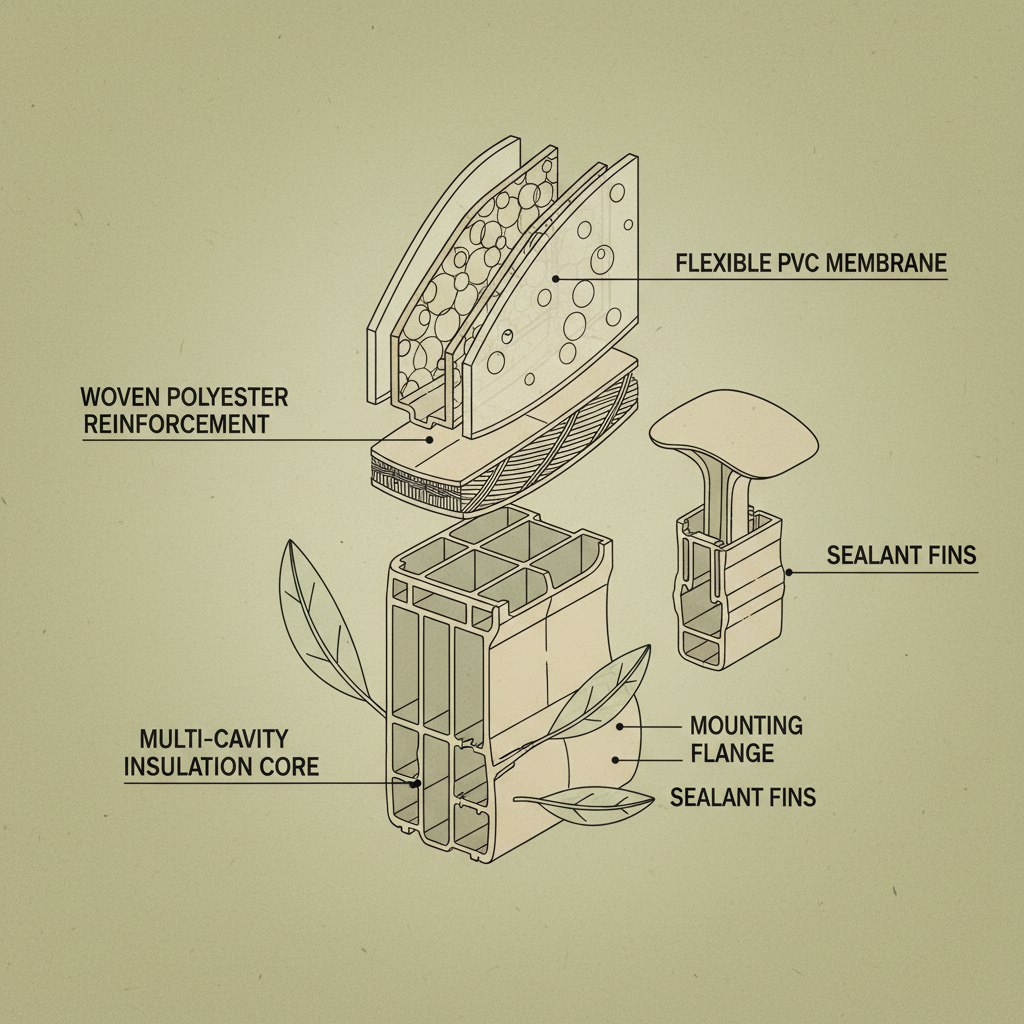
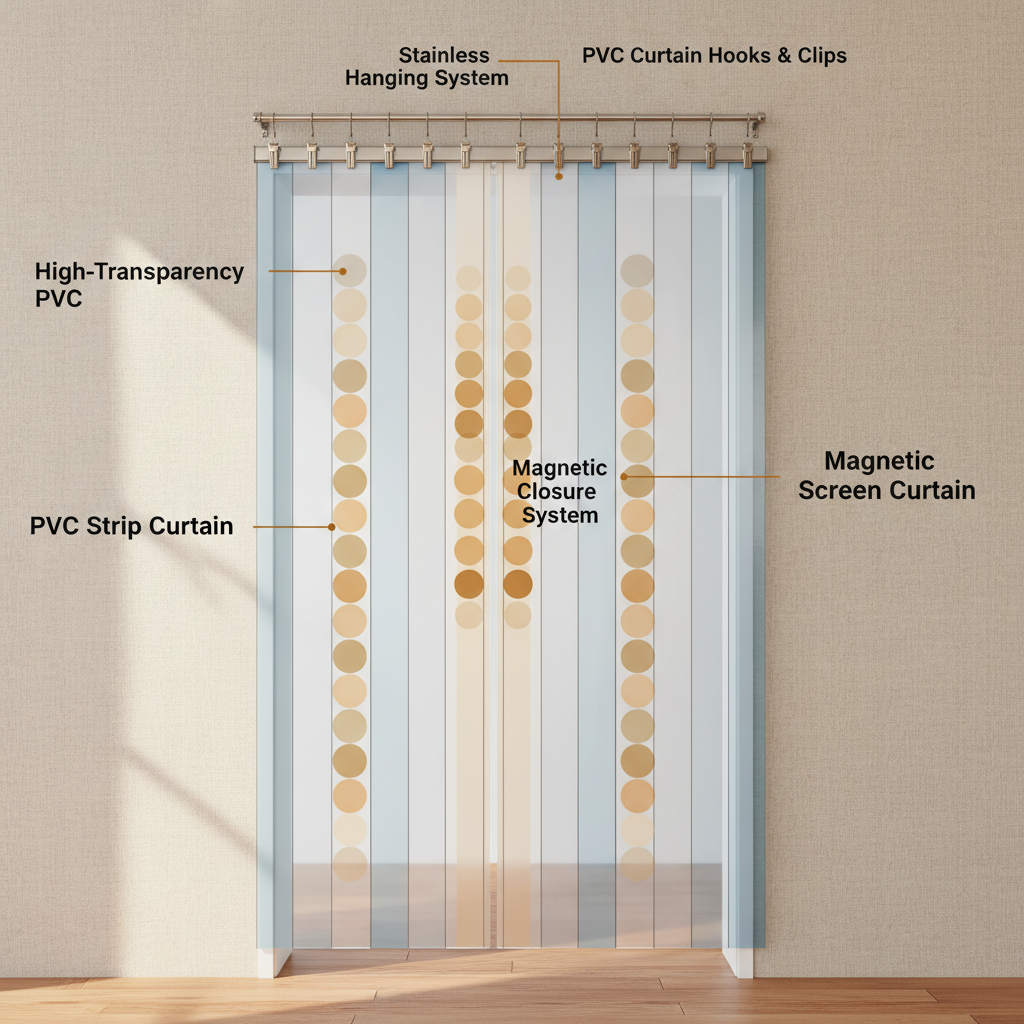
A high-performance barrier system is not merely a collection of plastic strips; it is an assembly of chemical engineering and mechanical hardware. The core material, typically a soft PVC compound, is formulated with specific plasticizers like DOP or DOTP to ensure the curtain remains pliable at various temperatures. This prevents the material from cracking in cold storage or becoming too tacky in high-heat environments.
The suspension system is equally vital. Using materials like SUS 304 stainless steel or galvanized iron for hangers and hardware ensures that the system can withstand the repetitive stress of forklift traffic and environmental corrosion. The precision of the laser-cut edges on the strips prevents premature tearing and ensures a consistent overlap, which is the primary mechanism for preventing air leakage.
Furthermore, the integration of counterweight boards is a critical design element. These weights ensure that the strips return to their original position immediately after being traversed, minimizing the duration of the open-gap period and maintaining the integrity of the internal climate.
The primary challenge in industrial sealing is the "overlap trade-off." To achieve a better seal, strips must overlap more significantly; however, excessive overlap can create a physical resistance that slows down operators and increases the risk of strip damage.
The efficiency of a thermal seal is determined by the balance between material thickness, the precision of the overlap, and the speed of the curtain's recovery after access.
When evaluating these systems, it is essential to consider the specific environmental delta—the temperature difference between the two zones. For polar or low-temperature environments, specialized "Polar PVC" is required to maintain flexibility, as standard PVC would harden and fail to seal, leading to rapid energy loss.
Different industrial scenarios require different material properties. For instance, a food processing plant prioritizes anti-insect properties and transparency, whereas a welding shop requires anti-arc light protection to safeguard workers. The selection process involves weighing these specific needs against the expected lifespan of the material.
Below is a relative assessment of common PVC strip types based on their operational utility across different industrial metrics.
In a typical cold storage facility, the priority is minimizing "air exchange." Here, a combination of thick Polar PVC strips and a robust stainless steel suspension system is used. The thickness (ranging from 1.2mm to 4mm) is selected based on the wind pressure and frequency of use, ensuring that the curtain does not sway excessively, which would compromise the seal.
For textile or electronics factories, the focus shifts to electrostatic control. Anti-static PVC strip curtains are deployed to prevent dust accumulation and protect sensitive components from static discharge. In these settings, the hardware is often chosen for its ability to be cleaned and sanitized without corroding, making SUS 304 the preferred choice.
A significant innovation in the field is the magnetic PVC curtain. Unlike standard strips that rely on overlap and gravity, magnetic curtains utilize magnetic bars and adhesive strips on both sides. This creates an active suction force that pulls the curtains together, effectively eliminating the need for deep overlaps.
From a technical standpoint, the magnetic system provides a superior seal for both heating and refrigeration. Because the strips "snap" back together, the open-gap time is reduced to nearly zero. This is particularly beneficial in workshops where energy saving is a primary KPI and where traditional overlapping curtains might be pushed aside and left open by staff.
The versatility of this system is reflected in the available specifications. With widths typically between 30mm and 50mm and thicknesses from 1.2mm to 4mm, the 2mm model (actual thickness 1.7mm) has become the industry standard due to its balance of transparency and structural rigidity.
Choosing the right system requires a systematic evaluation of environmental constraints. A buyer must first identify the primary threat—be it temperature loss, insect ingress, or electrostatic buildup—and then match it with the appropriate PVC formulation.
The secondary consideration is the hardware. While galvanized iron is cost-effective for dry environments, stainless steel is non-negotiable for food-grade or high-humidity zones. The choice of suspension style (European vs. Chinese style) further impacts the ease of replacement and overall system stability.
The following table provides a comparative decision framework to help facility managers select the most appropriate barrier based on their specific operational requirements.
| Primary Goal | Recommended Material | Hardware Choice | Key Consideration |
|---|---|---|---|
| Cold Storage | Polar PVC | SUS 304 Steel | Flexibility at -20°C |
| Clean Room | Anti-static PVC | Stainless Steel | ESD Dissipation |
| Food Processing | Anti-insect PVC | SUS 304 / Galvanized | FDA Compliance/Transparency |
| Welding Zone | Anti-arc PVC | Galvanized Iron | UV/Radiation Block |
| High Traffic | Magnetic PVC | Reinforced Steel | Seal Recovery Speed |
| General Warehouse | Standard PVC | Galvanized Iron | Cost vs. Durability |
Standard PVC strips rely on overlap and gravity to create a seal, which can be compromised if the strips are pushed aside. Magnetic curtains incorporate magnetic bars on the edges, creating a suction effect that pulls the strips back together immediately after use. This results in a tighter seal and significantly better energy efficiency, especially in environments requiring strict temperature control.
Thickness selection depends on the wind pressure, the frequency of passage, and the required insulation level. Thinner strips (1.2mm - 2mm) are ideal for low-traffic areas and high visibility. Thicker strips (3mm - 4mm) provide superior thermal insulation and durability for heavy-duty forklift traffic. A 2mm model is commonly used as a versatile baseline for most industrial workshops.
SUS 304 stainless steel offers superior corrosion resistance compared to galvanized iron. In environments with high humidity, chemical exposure, or food-grade requirements, galvanized iron can rust over time, potentially contaminating the area or causing system failure. Stainless steel ensures a longer lifespan and maintains structural integrity in harsh conditions.
Yes, anti-static PVC is formulated to dissipate electrostatic charges that naturally build up on plastic surfaces. Since static electricity attracts airborne dust and particulates, reducing this charge significantly minimizes the amount of debris that clings to the curtain, helping maintain a cleaner environment in electronics or precision machinery workshops.
Lifespan varies based on material grade and maintenance. High-quality strips from a reputable manufacturer typically last several years. However, in high-traffic zones, individual strips may suffer wear and tear. The advantage of the strip system is the ability to replace single damaged strips without replacing the entire installation, ensuring cost-effective maintenance.
They are necessary for spaces where temperatures frequently drop below freezing. Standard PVC becomes rigid and brittle in extreme cold, meaning the strips will not bend easily for access and will not seal tightly against each other. Polar PVC remains flexible at very low temperatures, ensuring the barrier remains functional and the thermal seal is maintained.
The implementation of an industrial barrier system is a strategic decision that affects both operational cost and workplace safety. From the chemical composition of the PVC to the metallurgical properties of the suspension hardware, every detail contributes to the overall efficiency of the thermal seal.
As industrial needs evolve, the move toward magnetic sealing and specialized polymer formulations allows facilities to achieve higher energy savings without sacrificing accessibility. Investing in high-precision materials and professional installation ensures that these barriers serve as long-term assets rather than temporary fixes.