Transparent colored PVC is a versatile material rapidly gaining prominence across diverse industries, from construction and automotive to healthcare and consumer goods. Its unique combination of clarity, durability, and affordability makes it an increasingly desirable alternative to traditional materials like glass and acrylic. Understanding its properties, applications, and future potential is crucial for businesses and individuals alike seeking innovative and sustainable solutions. This exploration delves into the world of transparent colored PVC, unveiling its capabilities and highlighting its significance in a globally connected world.
The global demand for flexible and durable materials is continuously rising, driven by evolving consumer needs and stringent industry regulations. Transparent colored PVC stands out as a solution addressing these demands, offering a cost-effective and adaptable alternative for numerous applications. With growing emphasis on safety, aesthetics, and environmental responsibility, the material's inherent properties align with these trends. According to industry reports, the PVC market is projected to reach significant growth in the coming years, fueled by demand in emerging economies and innovation in processing technologies.
In essence, transparent colored PVC is a polyvinyl chloride (PVC) formulation engineered to exhibit both transparency and color. This is achieved through careful selection of plasticizers, stabilizers, and colorants during the manufacturing process. Unlike traditional PVC which is often opaque, the specialized formulation allows light to pass through, offering a visual clarity comparable to certain plastics and glass. Its adaptability to diverse manufacturing processes—including extrusion, injection molding, and thermoforming—further enhances its appeal across a wide spectrum of applications.
Introduction: Global or Industry Context
The global demand for PVC products continues to surge, largely due to its cost-effectiveness and versatility. Transparent colored PVC specifically addresses the growing need for aesthetically pleasing and functional materials in applications ranging from packaging and signage to medical devices and architectural elements. The United Nations Sustainable Development Goals, particularly those related to infrastructure and sustainable cities, are implicitly supported by the use of durable and adaptable materials like transparent colored PVC. Its long lifespan and potential for recyclability contribute to reducing waste and promoting resource efficiency.
The construction industry, a significant consumer of PVC, is increasingly adopting transparent colored PVC for applications like roofing, skylights, and partitions. This trend is driven by the desire for natural light transmission, improved aesthetics, and enhanced energy efficiency. According to the World Bank, investments in infrastructure across developing nations are expected to drive PVC demand even higher. Moreover, stricter building codes focused on safety and sustainability are favoring materials that offer both performance and environmental benefits.
A significant challenge within various industries is finding materials that balance cost, performance, and regulatory compliance. Transparent colored PVC effectively tackles this challenge by offering a viable alternative to more expensive materials like glass and acrylic, while simultaneously meeting stringent safety standards and offering design flexibility. This unique combination positions transparent colored PVC as a key enabler for innovation and growth in diverse market sectors.
Definition & Meaning
Transparent colored PVC, at its core, is a thermoplastic polymer renowned for its inherent versatility. The ‘transparent’ characteristic is achieved by meticulously controlling the manufacturing process to minimize light scattering, allowing for visual clarity. The ‘colored’ aspect is introduced through the addition of carefully selected pigments and dyes, offering a vast spectrum of hues without compromising transparency. It's distinct from standard PVC, which is usually opaque and often white or grey, due to its specialized formulation.
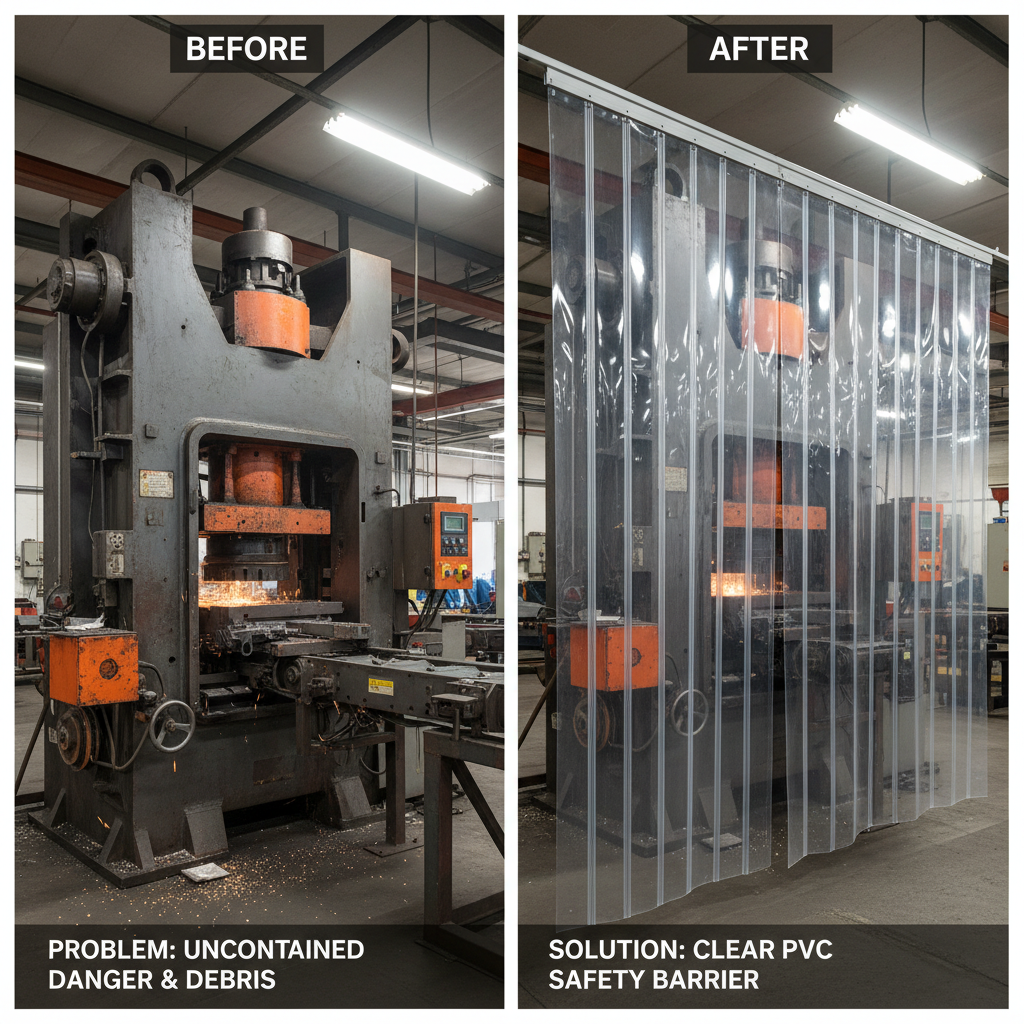
The significance of this material extends beyond mere aesthetics. In modern industry, transparent colored PVC plays a critical role in applications demanding visual inspection—like medical tubing, where fluid levels must be visible, or food packaging, where product appeal is paramount. It’s also essential in safety applications such as machine guarding, where clear visibility of internal components is crucial for maintenance and operation.
Relating to humanitarian needs, transparent colored PVC can be employed in creating durable and visually accessible shelters, particularly in disaster relief scenarios. Its lightweight nature and ease of fabrication enable rapid deployment and cost-effective solutions for providing safe and comfortable living spaces. The ability to add color can also aid in identification and organization within refugee camps or emergency response situations.
Key Factors or Core Components
Durability: Transparent colored PVC boasts excellent resistance to abrasion, impact, and weathering, making it suitable for both indoor and outdoor applications. Its inherent strength and flexibility ensure long-lasting performance, even in demanding environments. This robustness translates to reduced maintenance costs and a longer product lifespan.
Chemical Resistance: This material exhibits strong resistance to a wide range of chemicals, including acids, bases, and solvents. This property makes it ideal for applications in the chemical processing, pharmaceutical, and healthcare industries where exposure to corrosive substances is common.
Transparency & Color Stability: Maintaining clarity and color integrity over time is a key advantage. High-quality transparent colored PVC formulations utilize UV stabilizers to prevent fading and yellowing when exposed to sunlight. This ensures long-term aesthetic appeal and functionality.
Formability: Transparent colored PVC can be easily processed using various techniques, including extrusion, injection molding, and thermoforming. This versatility allows manufacturers to create a wide range of complex shapes and designs. Its relatively low processing temperature also reduces energy consumption during manufacturing.
Global Applications & Use Cases
Transparent colored PVC is employed extensively in the packaging industry, providing visually appealing and protective coverings for food, pharmaceuticals, and consumer goods. The clarity allows consumers to see the product inside, enhancing its appeal and building trust. In Asia, particularly in countries with large manufacturing sectors like China and Vietnam, it’s widely used for blister packaging and clamshell containers.
The construction sector utilizes transparent colored PVC in roofing sheets, skylights, and partition walls, offering a lightweight and durable alternative to glass. Its weather resistance makes it suitable for various climates. In Europe, increasingly stringent energy efficiency standards are driving demand for transparent PVC roofing solutions that maximize natural light penetration and reduce reliance on artificial lighting.
Within the healthcare industry, transparent colored PVC is critical for producing medical tubing, IV bags, and blood bags. Its biocompatibility and clarity allow medical professionals to monitor fluid levels and detect any issues quickly. In remote industrial zones lacking advanced material options, transparent colored PVC provides a reliable and cost-effective solution for creating safe and functional work environments.
Transparent colored pvc Application Ratings
Advantages & Long-Term Value
The cost-effectiveness of transparent colored PVC is a major advantage, often significantly lower than alternative materials like glass or acrylic, without compromising on performance. This makes it accessible to a wider range of businesses and consumers, fostering innovation and economic growth. Furthermore, its durability reduces the need for frequent replacements, resulting in long-term cost savings.
From a sustainability perspective, transparent colored PVC can be recycled, reducing landfill waste and conserving resources. Advancements in PVC recycling technologies are continually improving the efficiency and effectiveness of this process. Utilizing recycled PVC also lowers the carbon footprint associated with manufacturing new materials.
Beyond tangible benefits, transparent colored PVC offers a sense of safety and security, particularly in applications like machine guarding or protective enclosures. Its clarity enables visual monitoring and reduces the risk of accidents. The inherent reliability of the material fosters trust among consumers and businesses, enhancing brand reputation and loyalty.
Future Trends & Innovations
Ongoing research and development efforts are focused on enhancing the sustainability of transparent colored PVC by exploring bio-based plasticizers and incorporating recycled content. These innovations aim to reduce the reliance on fossil fuels and minimize the environmental impact of the material.
Digital transformation is playing a role in optimizing the manufacturing process of transparent colored PVC, utilizing data analytics and automation to improve efficiency, reduce waste, and enhance quality control. This integration of Industry 4.0 technologies is leading to more sustainable and cost-effective production methods.
Challenges & Solutions
One significant challenge is the perception of PVC as an environmentally unfriendly material due to historical concerns about additives and disposal methods. However, modern PVC formulations are increasingly utilizing safer and more sustainable additives, and advancements in recycling technologies are addressing end-of-life concerns.
Maintaining consistent transparency and color stability over extended periods, particularly in outdoor applications, requires careful selection of UV stabilizers and colorants. Innovative formulations are being developed to mitigate these issues and ensure long-term performance.
Addressing concerns about the release of volatile organic compounds (VOCs) during manufacturing and processing requires adopting best practices in ventilation and utilizing low-VOC formulations. Continued investment in research and development will drive the creation of even more environmentally friendly transparent colored PVC products.
Summary of Challenges and Solutions Related to Transparent Colored PVC
| Challenge |
Impact on transparent colored pvc |
Proposed Solution |
Implementation Cost (1-10) |
| Environmental Perception |
Negative public image, restricted use in some regions. |
Utilize bio-based plasticizers, promote recycling initiatives. |
6 |
| UV Degradation |
Yellowing, loss of transparency over time. |
Employ advanced UV stabilizers in formulation. |
7 |
| VOC Emissions |
Health and environmental concerns during manufacturing. |
Implement low-VOC formulations and ventilation systems. |
5 |
| Recycling Infrastructure |
Limited availability of specialized recycling facilities. |
Invest in expanding recycling infrastructure and technologies. |
8 |
| Color Consistency |
Variations in color shade between production batches. |
Implement rigorous quality control measures and color matching systems. |
4 |
| Formulation Complexity |
Achieving desired transparency and color requires precise formulation. |
Utilize advanced formulation software and experienced chemists. |
6 |
FAQS
Transparent colored PVC finds extensive use in medical applications due to its biocompatibility, clarity, and flexibility. It's commonly used in the manufacture of IV bags, blood bags, medical tubing, and dialysis tubing, where visual monitoring of fluid levels is critical. Its chemical resistance also makes it suitable for handling various medical fluids. Furthermore, the ability to color-code tubing can enhance patient safety and workflow efficiency.
Transparent colored PVC generally offers a significantly lower cost compared to glass, particularly for large-scale applications. While glass is renowned for its hardness and scratch resistance, PVC excels in impact resistance and flexibility, making it less prone to shattering. PVC is also considerably lighter than glass, reducing transportation costs and installation complexity. For applications where weight and breakage are concerns, PVC is often the preferred choice.
Yes, transparent colored PVC is recyclable, though the recycling process is more complex than that of some other plastics. Currently, mechanical recycling is the most common method, where PVC waste is ground, cleaned, and reprocessed into new products. Chemical recycling, which breaks down PVC into its basic components, is an emerging technology with the potential to handle more complex waste streams. Increased investment in recycling infrastructure is crucial for improving PVC recycling rates.
Selecting the right colorant is crucial for maintaining transparency and color stability in PVC. Pigments and dyes specifically designed for PVC are recommended, ensuring compatibility and preventing migration. The colorant's heat stability is also vital, as high temperatures during processing can cause fading or discoloration. Furthermore, the colorant should be UV resistant to prevent degradation when exposed to sunlight. Careful consideration of these factors will ensure a consistent and vibrant color.
Transparent colored PVC can be processed using a variety of techniques, including extrusion, injection molding, calendaring, and thermoforming. Extrusion is commonly used for producing tubing, profiles, and sheets. Injection molding is ideal for creating complex three-dimensional shapes. Calendering is used for producing films and sheets with precise thickness control, while thermoforming is suitable for shaping pre-formed sheets into desired designs. The choice of processing technique depends on the desired product characteristics and volume.
Transparent colored PVC exhibits good weathering resistance, but prolonged exposure to UV radiation can lead to gradual degradation, causing yellowing and reduced transparency. However, incorporating UV stabilizers into the formulation significantly enhances its performance in outdoor environments. The addition of antioxidants and heat stabilizers also contributes to long-term durability, protecting against cracking and embrittlement. Regular maintenance, such as cleaning, can further extend its lifespan.
Conclusion
Transparent colored PVC has emerged as a remarkably versatile material with a growing presence across numerous industries. Its unique combination of clarity, durability, cost-effectiveness, and formability makes it an attractive alternative to traditional materials like glass and acrylic. From packaging and construction to healthcare and automotive applications, its benefits are becoming increasingly apparent, driving innovation and sustainability. Understanding the core properties, applications, and future trends surrounding transparent colored PVC is essential for businesses and individuals seeking effective and efficient solutions.
Looking ahead, continued research and development will focus on enhancing the sustainability of transparent colored PVC through bio-based formulations, improved recycling technologies, and optimized manufacturing processes. Embracing digital transformation and Industry 4.0 principles will further streamline production and enhance quality control. We invite you to explore the possibilities of transparent colored PVC and discover how it can benefit your applications. Visit our website: www.lfwanmao.com.