PVC plastic curtains, also known as strip curtains or plastic sheet curtains, are increasingly vital in maintaining temperature control, reducing energy costs, and improving workplace safety globally. From bustling industrial facilities to refrigerated warehouses and food processing plants, these versatile barriers offer a practical and cost-effective solution for managing traffic flow while minimizing environmental impact. Understanding their composition, benefits, and diverse applications is crucial for businesses and industries seeking optimized operational efficiency and sustainability.
The demand for pvc plastic curtain is driven by a growing need for energy conservation and improved hygiene standards worldwide. According to the UN Environment Programme, building operations account for nearly 40% of global energy consumption. Solutions like pvc plastic curtain contribute significantly to reducing this footprint by minimizing heat loss or gain. Furthermore, stricter food safety regulations (ISO 22000, for example) emphasize the importance of controlled environments, where these curtains play a key role in preventing contamination.
The core challenge driving the adoption of pvc plastic curtain is the need to balance accessibility with environmental control. Traditional doors create inefficiencies through repeated opening and closing, leading to temperature fluctuations and energy wastage. Pvc plastic curtains address this problem by allowing for continuous traffic flow while still maintaining a physical barrier against external elements, offering a sustainable alternative to conventional door systems.
Introduction to pvc plastic curtain
Pvc plastic curtain are designed to create a physical barrier while allowing people and equipment to pass through easily. They are commonly used in environments where maintaining temperature, controlling dust, or isolating areas is important. The adaptable nature of these curtains means they are suitable for a remarkably diverse range of applications, contributing significantly to operational efficiency and worker safety.
These curtains aren't merely about temperature control; they also play a role in improving air quality and reducing noise levels, which can lead to a more comfortable and productive work environment. The availability of different materials and thicknesses allows for customization to suit specific needs, making pvc plastic curtain a valuable asset in various industrial and commercial settings.
Defining pvc plastic curtain
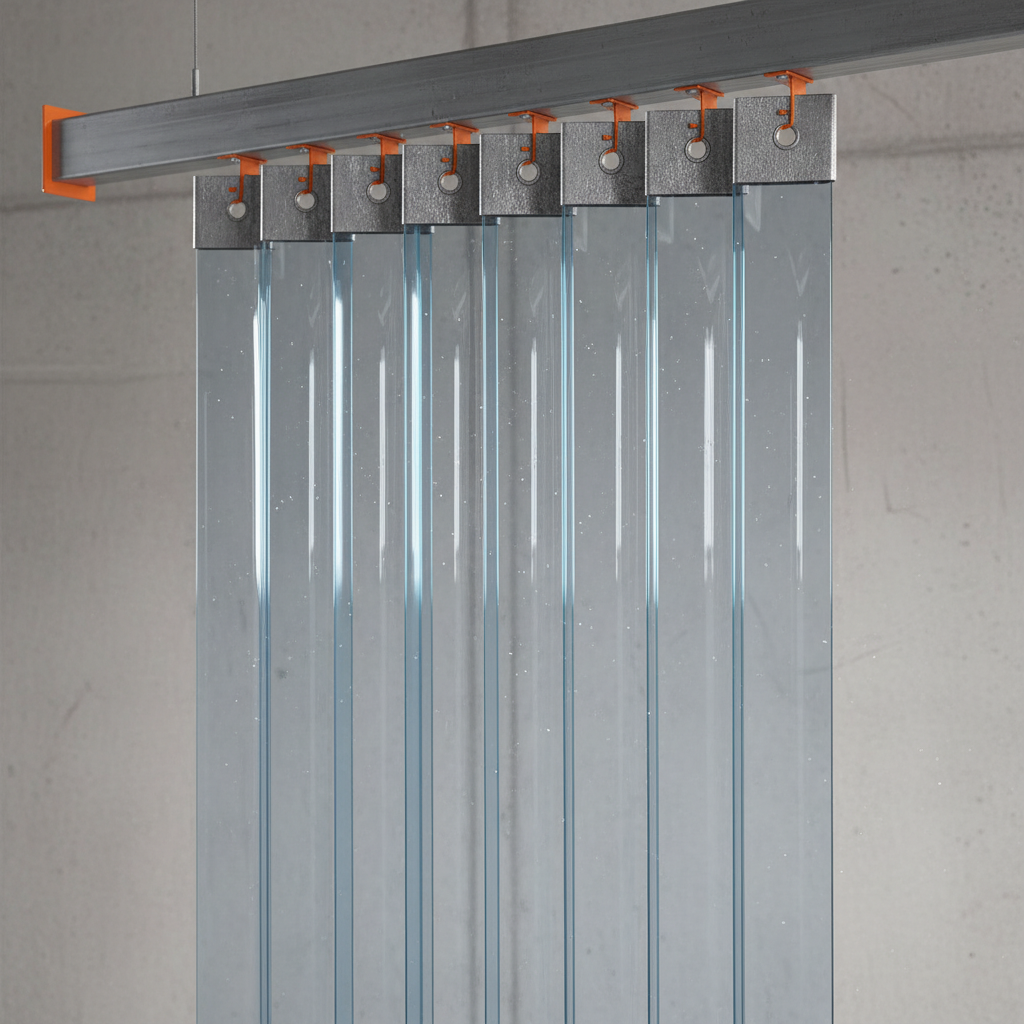
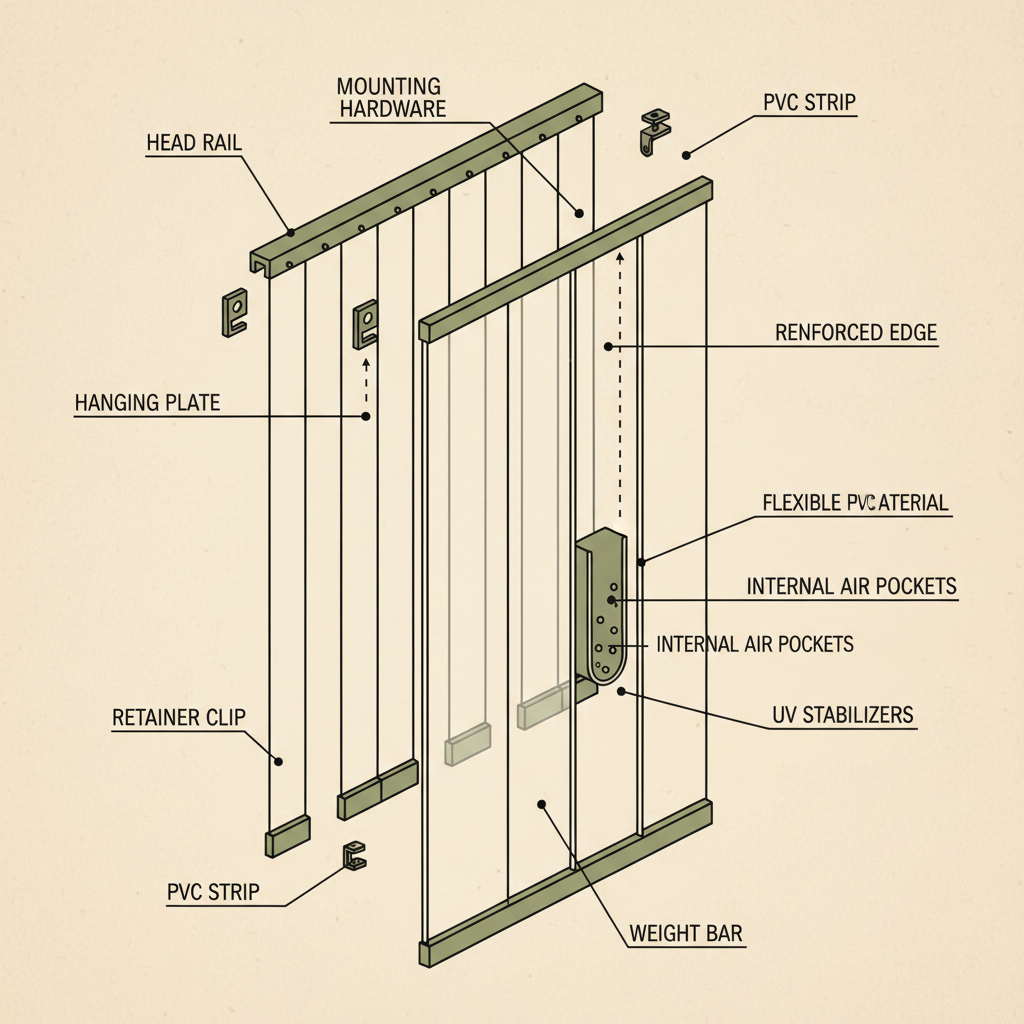
A pvc plastic curtain consists of overlapping strips of durable polyvinyl chloride (PVC) material suspended from a mounting rail. These strips create a barrier that separates different environments while permitting free passage. The strips are typically clear or tinted, allowing for visibility and light transmission. They are a cost-effective and energy-efficient alternative to traditional doors in many situations.
The connection to modern industry lies in the increasing demand for optimized processes and resource management. Pvc plastic curtain directly address the need for efficient traffic flow and environmental control, contributing to leaner manufacturing, improved food safety, and reduced energy consumption.
In humanitarian contexts, rapid deployment of temporary isolation spaces—such as those needed during public health crises—can be facilitated using pvc plastic curtain. Their portability and ease of installation make them a valuable asset in emergency response scenarios, providing a basic level of containment and protection.
Core Components of pvc plastic curtain
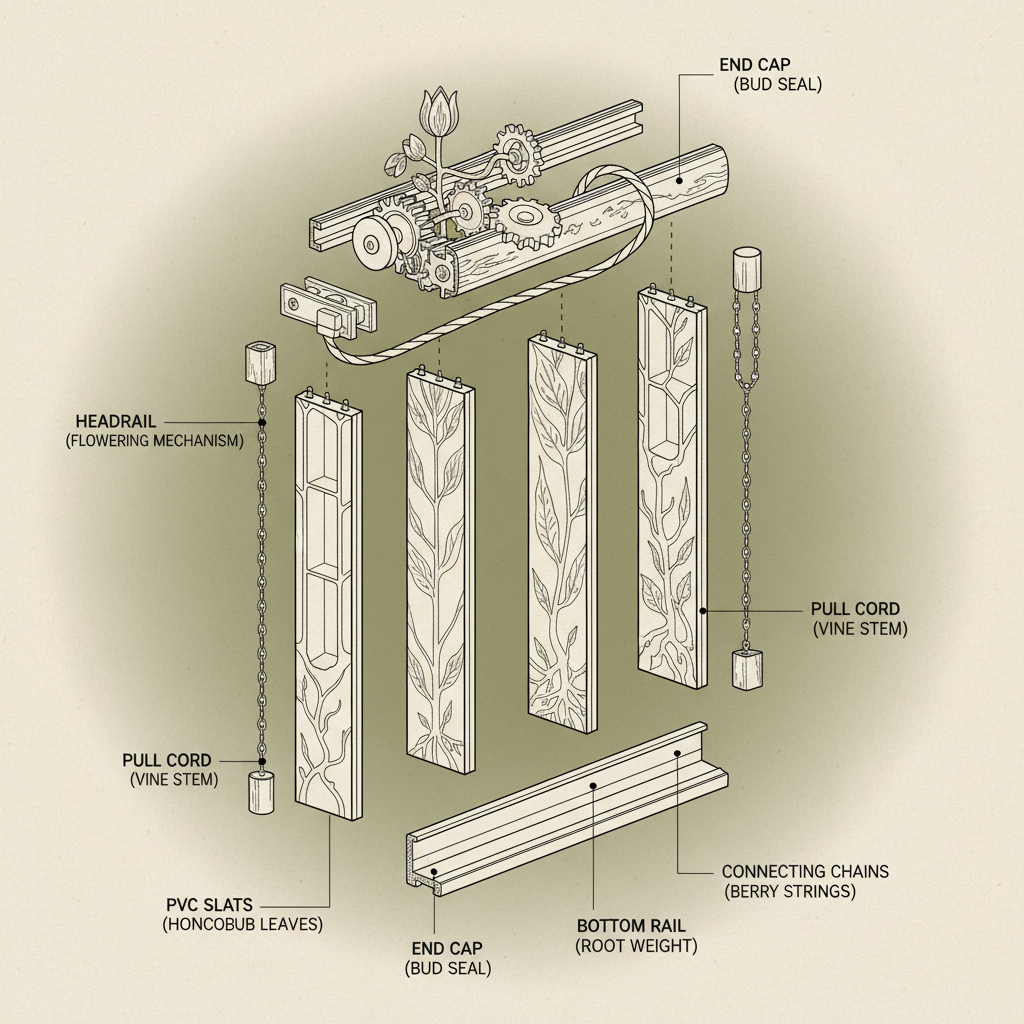
The effectiveness of a pvc plastic curtain hinges on several key components. First, the quality of the PVC material itself is crucial, determining its durability, flexibility, and resistance to temperature extremes. Secondly, the mounting rail system must be robust and capable of supporting the weight of the strips while allowing for smooth operation.
Thirdly, the strip overlap is a critical factor. A greater overlap provides a more effective barrier against air currents, dust, and noise, but may also slightly impede traffic flow. Fourth, the finishing—smooth or textured— impacts cleaning and aesthetics. Finally, safety features, such as rounded edges and fire-retardant additives, are essential for ensuring a secure working environment.
These components work synergistically to deliver a reliable and efficient barrier solution. Understanding the specifications of each component allows for informed selection based on the specific application requirements, optimizing performance and longevity. The proper balance of these components is key to the successful implementation of a pvc plastic curtain system.
Global Applications and Use Cases
Pvc plastic curtain are widely used across a multitude of industries. In food processing plants, they maintain sanitary conditions by preventing cross-contamination and controlling air quality. Refrigerated warehouses utilize them to minimize temperature loss and reduce energy consumption. Industrial facilities rely on them for noise reduction and worker safety.
Geographically, these curtains are prevalent in regions with significant industrial activity, such as East Asia, Europe, and North America. In post-disaster relief operations, they can rapidly create temporary isolation wards or field hospitals. Remote industrial zones, where quick and cost-effective solutions are needed, also heavily utilize pvc plastic curtain.
Organizations such as large distribution centers (e.g., Amazon, Walmart) and pharmaceutical companies routinely employ these curtains to maintain strict environmental controls. Automotive manufacturers utilize them to separate different stages of the production process, enhancing efficiency and safety. Their versatility ensures they’re a staple in logistical and production operations globally.
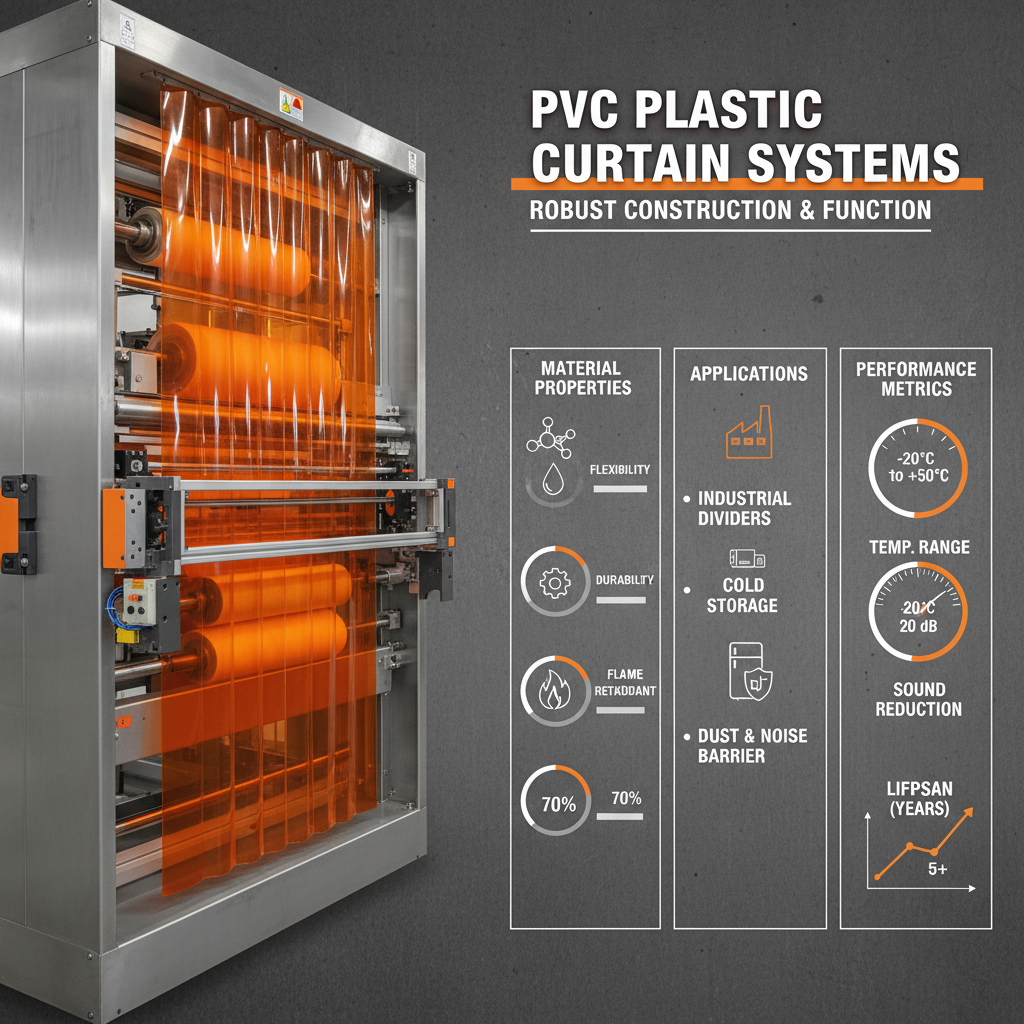
Pvc plastic curtain Performance Metrics
Advantages and Long-Term Value
The benefits of using pvc plastic curtain extend far beyond simple cost savings. Reduced energy consumption translates into lower operating expenses and a smaller carbon footprint, aligning with corporate sustainability goals. The curtains' durability minimizes replacement costs, offering a long-term return on investment.
From a safety perspective, pvc plastic curtain enhance visibility, reducing the risk of collisions and improving worker awareness. Their flexible nature also minimizes the potential for injury compared to rigid doors. This fosters a safer, more comfortable, and ultimately more productive work environment.
Future Trends and Innovations
Future developments in pvc plastic curtain technology are focusing on enhanced material properties. Research is underway to develop PVC formulations with increased UV resistance, improved fire retardancy, and enhanced durability. Smart curtains equipped with sensors to monitor traffic flow and automatically adjust strip configuration are also being explored.
The integration of Internet of Things (IoT) technology will allow for remote monitoring and control of curtain systems, providing valuable data on energy savings and operational efficiency. Sustainability initiatives are driving the development of recycled PVC materials, reducing environmental impact and promoting a circular economy.
Challenges and Solutions
Despite their many advantages, pvc plastic curtain do present some challenges. Maintaining cleanliness can be difficult, particularly in dusty or greasy environments. Wear and tear over time can lead to strip damage, requiring repair or replacement.
Solutions include utilizing easy-to-clean PVC formulations, implementing regular maintenance schedules, and utilizing reinforced strips for high-traffic areas. The development of self-healing PVC materials is also a promising avenue for addressing durability concerns.
Another challenge lies in ensuring proper installation to maximize effectiveness and safety. Professional installation services are recommended to guarantee correct mounting and strip alignment, preventing issues such as gaps or uneven operation.
Summary of pvc plastic curtain Challenges and Solutions
| Challenge |
Severity (1-10) |
Potential Solution |
Implementation Cost (1-10) |
| Dirt and Dust Accumulation |
6 |
Easy-to-Clean PVC Formulation |
3 |
| Strip Wear & Tear |
7 |
Reinforced PVC Strips |
5 |
| Temperature Sensitivity |
4 |
Specialized PVC Compounds |
6 |
| Improper Installation |
8 |
Professional Installation Services |
7 |
| Limited Impact Resistance |
5 |
Protective Guard Rails |
4 |
| Static Electricity Build-up |
3 |
Anti-Static PVC Formulations |
5 |
FAQS
Pvc plastic curtain offer several advantages over conventional doors. They allow for continuous traffic flow without compromising temperature control, reducing energy loss. They’re also more affordable to install and maintain, and contribute to improved workplace safety by offering visibility and minimizing impact hazards. Furthermore, they are more flexible for a varied range of openings and space needs than traditional doors.
The lifespan of pvc plastic curtain depends on the environment and level of traffic. Typically, they last between 5-10 years with proper care. Regular cleaning and inspection for damage can extend their lifespan. Heavily used areas or those exposed to harsh chemicals may require more frequent replacement. Choosing a thicker, more durable PVC material can also prolong their service life.
Yes, pvc plastic curtain are an excellent choice for cold storage facilities. They help maintain consistent temperatures, preventing frost buildup and reducing energy consumption. Specialized, low-temperature PVC formulations are available for extremely cold environments, ensuring flexibility and preventing cracking. Proper strip overlap is crucial for maximizing thermal insulation in these applications.
Pvc plastic curtain are relatively easy to clean. A mild detergent and water solution can be used to wipe down the strips. For stubborn dirt or grease, a degreasing cleaner may be necessary. Avoid abrasive cleaners, as they can damage the PVC material. Regular cleaning helps maintain transparency and hygiene, especially in food processing or pharmaceutical environments.
Absolutely! Pvc plastic curtain can be readily customized to fit a wide range of opening sizes and shapes. Manufacturers offer various strip widths, lengths, and thicknesses. Additionally, strips are available in clear, tinted, and colored options to match aesthetic preferences or safety requirements. Customization ensures optimal performance and integration with existing infrastructure.
While generally safe, it’s important to ensure proper installation and maintenance. Rounded edges on the strips minimize the risk of injury. Fire-retardant PVC formulations are recommended in environments where fire hazards exist. Clear strips enhance visibility to prevent collisions. Regular inspection for damage and timely replacement of worn strips are crucial for maintaining safety standards.
Conclusion
In conclusion, pvc plastic curtain represent a versatile and cost-effective solution for a wide array of industries and applications. Their ability to balance traffic flow with environmental control, enhance safety, and reduce energy consumption makes them a valuable asset in modern operations. From food processing to warehousing and beyond, these curtains deliver tangible benefits that contribute to improved efficiency, sustainability, and worker well-being.
Looking ahead, continued innovation in PVC materials and smart technology promises to further enhance the performance and functionality of these systems. Investing in high-quality pvc plastic curtain is not merely a short-term cost saving measure; it’s a strategic decision that aligns with long-term sustainability goals and operational excellence. For more information and to explore our range of products, visit our website: www.lfwanmao.com