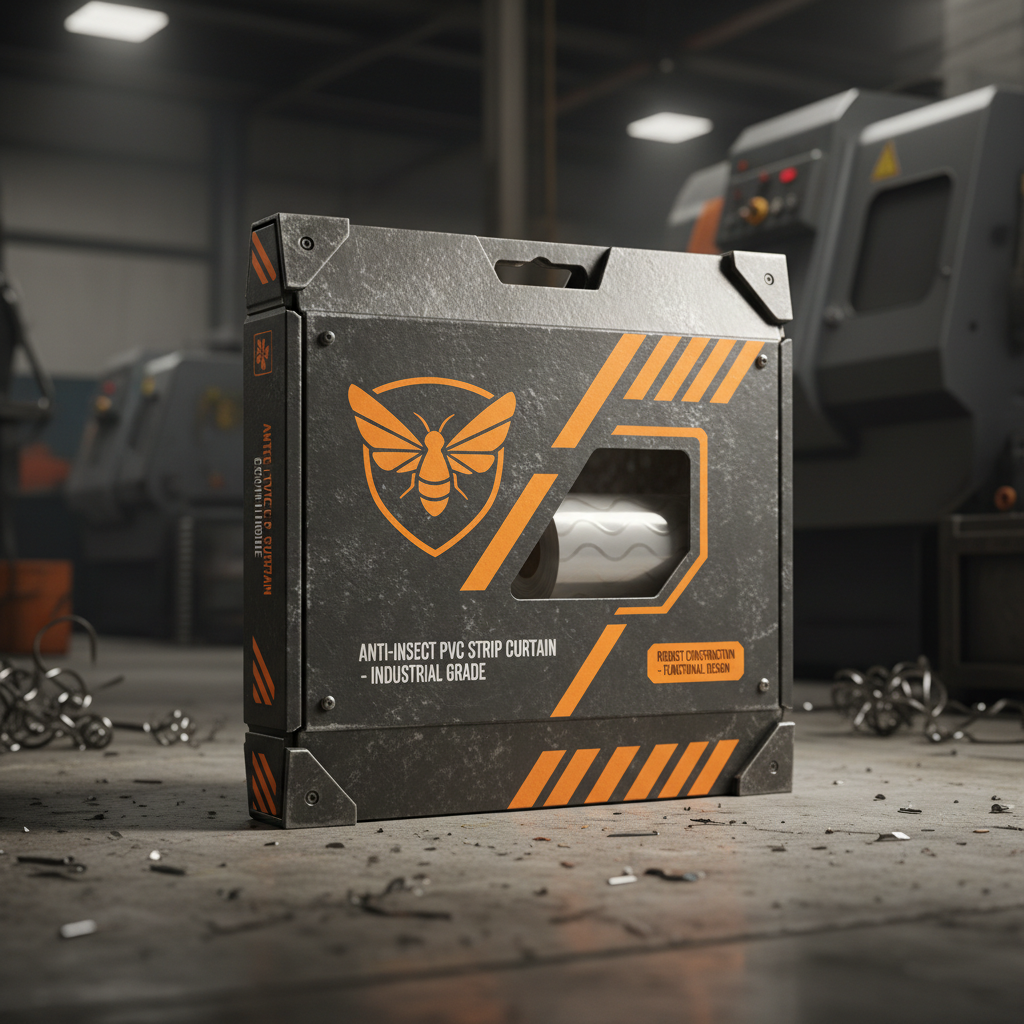
To be honest, the whole industry is buzzing about quick deployment. Everyone wants things faster, cheaper, and with less hassle. It’s not just the big construction companies either; even the smaller guys are looking for ways to streamline. You go to a site now, and it's all about prefabrication, modular builds… door pvc strip curtain, of course, fits right into that trend. It's a small part, but a crucial one. Keeps the heat in, keeps the dust out. Simple as that.
Have you noticed how everyone thinks a thicker PVC strip is automatically better? That’s a classic trap. It’s not always true. Sometimes, too thick and it loses its flexibility, cracks easier in the cold. I encountered this at a factory in Zhejiang last time; they were shipping out strips that were practically rigid. A real headache. The engineers were all about the specs, but they hadn't actually tried to use the stuff in a real-world setting.
And the material itself… it’s not just ‘PVC.’ There are different grades, different plasticizers. Some smell awful, others are surprisingly neutral. You can tell a good strip by how it feels – it should be pliable, not brittle. The cold resistance is key, especially up north. We've been experimenting with adding a bit of a rubber compound to increase that, but it's tricky – you don't want to compromise the transparency.
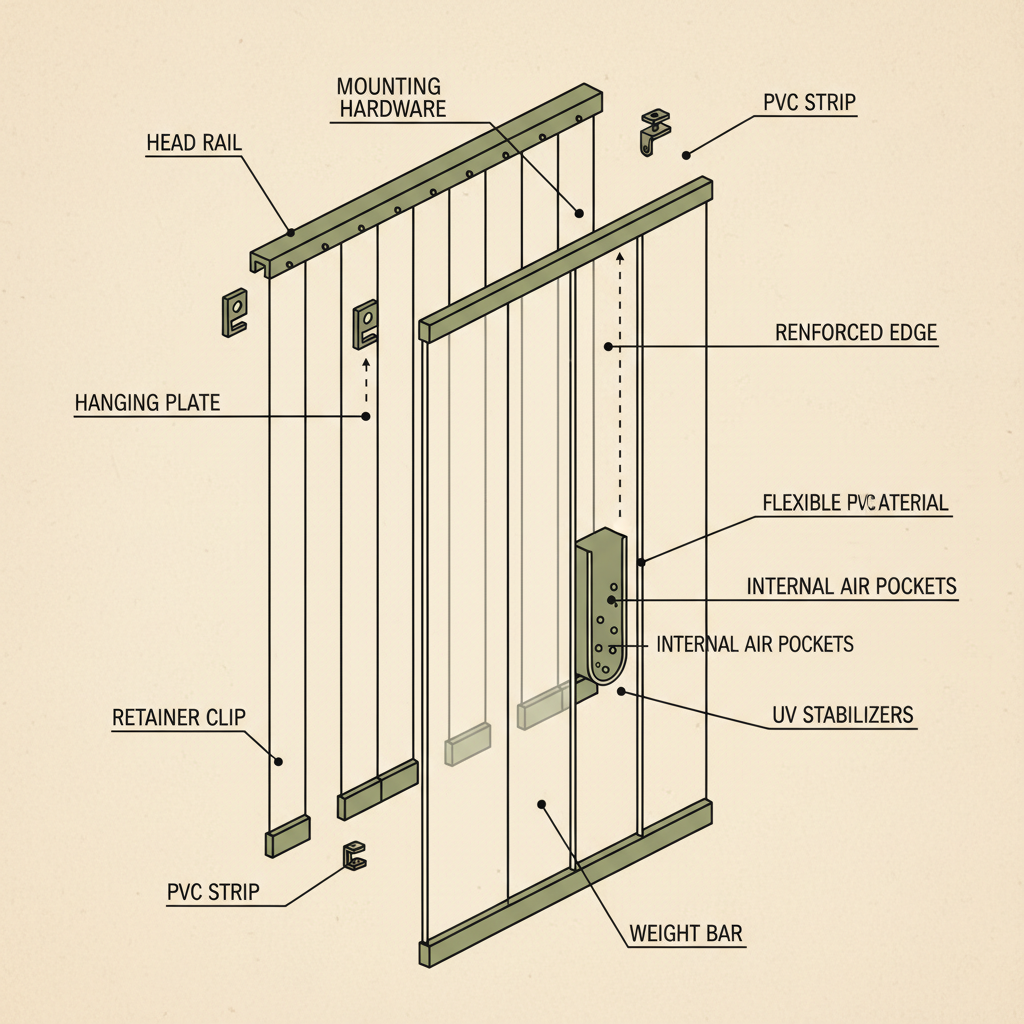

The whole point is efficiency, right? Construction sites are chaotic. You need something that can separate spaces quickly, without a full wall. door pvc strip curtain solves that. It's adaptable. Warehouses, cold storage, food processing plants… they're all using more of it. Strangely, I've even seen them pop up in hospitals – isolating temporary zones. The demand has definitely jumped in the last couple of years.
And it’s not just new builds. A lot of facilities are retrofitting – replacing old doors or creating new divisions within existing spaces. It's a relatively inexpensive way to improve energy efficiency and workplace safety.
Determining the appropriate width and overlap for door pvc strip curtain is crucial for maximizing its effectiveness. Generally, you want the strips to overlap by at least 2-3 inches to ensure a continuous barrier. The total width of the strips should cover the entire opening, allowing for this overlap. Consider the frequency of traffic – higher traffic areas may require a greater overlap for durability. We always recommend measuring the opening precisely and adding a bit extra for good measure, and remember to account for the mounting hardware's width.
The lifespan of door pvc strip curtain can vary depending on the environment and traffic levels, but typically ranges from 3 to 7 years. To extend its life, avoid harsh cleaning chemicals, protect it from direct sunlight whenever possible, and ensure the mounting hardware is secure to prevent unnecessary stress. Regular inspection for tears or damage is also essential. If a strip is damaged, replace it promptly to avoid further issues. Proper maintenance will significantly increase its longevity.
door pvc strip curtain is inherently flame-retardant, but not fireproof. It is typically manufactured to meet UL94 V-2 flammability standards, meaning it will self-extinguish within a certain timeframe. However, it can still melt or burn if exposed to a sustained flame. It's important to avoid using it in areas with high fire risks and to ensure that fire suppression systems are in place.
Yes, door pvc strip curtain can be used in freezer environments, but you need to specifically choose strips formulated for low-temperature applications. Standard PVC can become brittle and crack in extremely cold temperatures. "Cold-rated" strips are made with a plasticizer that remains flexible even at temperatures as low as -40°F (-40°C). Always verify the temperature rating of the strips before installation in a freezer.
Avoid abrasive cleaners, solvents, and strong detergents, as they can damage the PVC material and reduce its transparency. Mild soap and water are generally safe and effective. For tougher stains, you can use a diluted solution of isopropyl alcohol, but always test it on a small, inconspicuous area first. Regular cleaning with a soft cloth will help maintain the strips’ appearance and extend their lifespan.
Absolutely. We offer a range of customization options, including different colors, widths, and even the ability to print logos or graphics onto the strips. Custom widths are particularly useful for unusual doorway sizes or specific application requirements. Color options allow you to match the strips to your company branding or the overall aesthetic of the space. Lead times for custom orders will vary depending on the complexity, but we’re happy to provide a quote and timeline.
So, what does it all boil down to? door pvc strip curtain, while seemingly simple, is a surprisingly versatile and effective solution for a wide range of applications. It’s not a magic bullet, and it has its limitations, but when properly specified and installed, it can significantly improve energy efficiency, workplace safety, and overall operational efficiency. The key is understanding the material, choosing the right grade for the environment, and paying attention to the details.
Ultimately, whether this thing works or not, the worker will know the moment he tightens the screw. If it feels solid, if it swings smoothly, if it does what it’s supposed to do… then you’ve got a good product. And that’s what really matters. Visit our website at www.lfwanmao.com to learn more and get a quote.