





Industrial Guide to Durable Cortinas de Tiras Resistentes Barriers
The Ultimate Guide to Cortinas de Tiras Resistentes for Industrial Use
In the fast-paced environment of modern warehousing and industrial production, maintaining a controlled climate while ensuring seamless transit is a constant challenge. This is where cortinas de tiras resistentes (heavy-duty strip curtains) become indispensable. Designed to act as a flexible barrier, these curtains protect your interior environment from dust, insects, and temperature fluctuations without hindering the movement of personnel or machinery. Whether you are managing a cold storage facility or a busy manufacturing plant, investing in high-quality PVC strips can significantly reduce energy costs and improve operational efficiency. In this guide, we will explore everything you need to know about selecting and implementing these durable barriers.
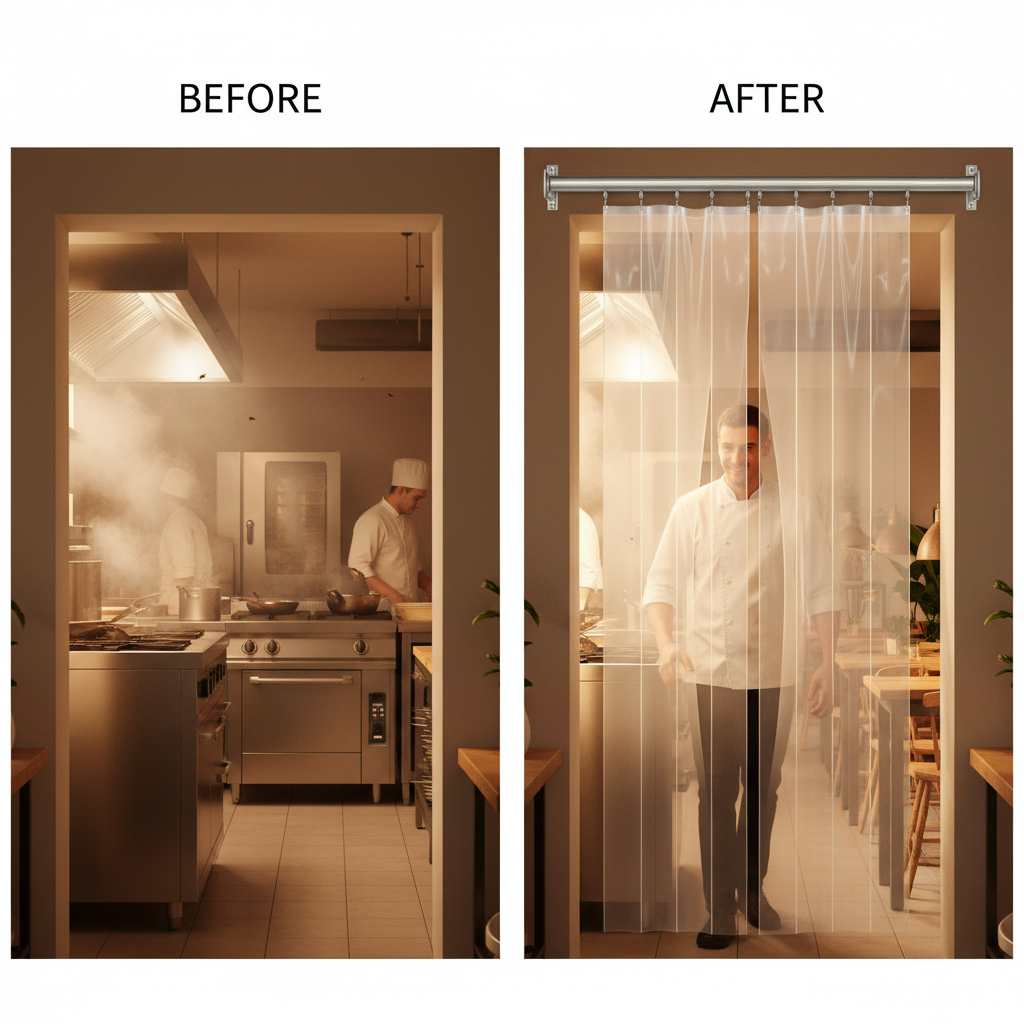
Why Your Facility Needs Cortinas de Tiras Resistentes
The primary goal of installing cortinas de tiras resistentes is to create an efficient seal. Unlike rigid doors, strip curtains allow for "hands-free" passage, which is critical for forklift operators and staff carrying materials. By minimizing the exchange of air between two zones, these curtains help maintain a stable temperature, which is vital for food preservation and pharmaceutical storage. Additionally, they serve as a first line of defense against airborne contaminants and noise pollution, creating a safer and more focused working environment. The durability of the material ensures that they can withstand thousands of passes per day without tearing or losing their shape.
Key Efficiency Gains: Reduced HVAC energy consumption by up to 30%, elimination of manual door operations, and enhanced protection against external pollutants.
Material Science: What Makes These Curtains Durable?
Not all strip curtains are created equal. The "resistant" nature of cortinas de tiras resistentes comes from high-grade Polyvinyl Chloride (PVC) infused with specific additives. Depending on the application, these materials are engineered to be polar (anti-static), ribbed (for reinforced strength), or freezer-grade (to remain flexible at sub-zero temperatures). The thickness of the strips also plays a crucial role; thicker strips offer better wind resistance and longevity in high-traffic areas, while thinner strips are ideal for light-duty partitions. Understanding the chemical composition ensures that the curtains do not yellow or crack under UV exposure or chemical splashes.
Comparing Types of Cortinas de Tiras Resistentes
Selecting the right type of strip curtain depends entirely on your environment. For instance, a warehouse with heavy forklift traffic requires a different specification than a cleanroom in a laboratory. Below is a detailed comparison to help you decide which version of cortinas de tiras resistentes fits your needs best. Comparing the overlap and material grade is essential for maximizing the thermal seal.
Installation and Maintenance of Cortinas de Tiras Resistentes
To get the most out of your cortinas de tiras resistentes, proper installation is key. The mounting rail should be perfectly level to ensure that the strips overlap uniformly, preventing gaps where air can escape. We recommend an overlap of 50% to 100% for maximum thermal insulation. Maintenance is relatively simple: regular cleaning with mild soap and water prevents the buildup of grime that can cloud the PVC. For heavily soiled curtains, a soft cloth is preferred over abrasive brushes to avoid scratching the surface, which would compromise both visibility and the material's structural integrity.
Technical Specifications for High-Performance Strip Curtains
When ordering your cortinas de tiras resistentes, you will encounter several technical parameters. These specifications determine how the product will perform under stress. For instance, the shore hardness affects how easily the curtain returns to its original position after being pushed. High-quality industrial strips are designed to be UV-stabilized, meaning they won't become brittle when installed near loading docks exposed to sunlight. Below are the standard specifications we provide for industrial-grade installations:
Conclusion: Optimizing Your Space with Quality Strip Curtains
In conclusion, cortinas de tiras resistentes are more than just plastic strips; they are a strategic investment in your facility's infrastructure. By reducing energy loss, blocking contaminants, and allowing unobstructed movement, they directly contribute to a healthier bottom line and a safer workplace. When choosing your curtains, always prioritize material grade and thickness to ensure long-term durability. Visit our website to find the perfect solution for your specific industrial needs.
Frequently Asked Questions (FAQs)
How do I choose the correct thickness for my strip curtains?
The choice of thickness depends on the traffic volume and the environmental conditions. For low-traffic areas or simple dust barriers, 1.0mm to 2.0mm is usually sufficient. However, for high-traffic loading docks where forklifts pass through constantly, we recommend 3.0mm or thicker to prevent premature wear and tearing. In areas with high wind speeds, thicker strips provide better weight and stability, ensuring the seal remains closed. Always consider the balance between flexibility and durability when making your selection.
Can these curtains be used in extreme cold environments?
Yes, but you must specifically choose "Polar" or "Freezer Grade" PVC. Standard PVC becomes stiff and brittle at low temperatures, which can lead to cracking and make it difficult for employees to walk through. Polar-grade cortinas de tiras resistentes are engineered with plasticizers that allow them to remain flexible even at temperatures as low as -25°C. This ensures that the thermal barrier remains intact without compromising the ease of access for your staff.
How often should the strip curtains be replaced?
There is no fixed expiration date, as lifespan depends on the intensity of use. However, most facilities find that replacing strips every 2 to 5 years is ideal. You should consider replacement when you notice significant clouding (loss of visibility), deep scratches, or if the strips have become permanently warped. If the overlap between strips has decreased, your energy efficiency will drop, making it a good time for an upgrade. Regular cleaning can extend this lifespan significantly by preventing chemical degradation.
Are strip curtains effective against insects and pests?
While they are not a complete replacement for professional pest control, they are highly effective as a primary physical barrier. By sealing the open doorways, cortinas de tiras resistentes significantly reduce the number of flies, bees, and other insects that enter your facility. For maximum protection, many companies combine strip curtains with air curtains (blowers) to create a dual-layer defense system that is virtually impenetrable to small pests.
-
Industrial Guide to Durable Cortinas de Tiras Resistentes BarriersNewsApr.16,2026
-
Energy Efficiency Guide for Installing cortinas de franja de aireNewsApr.09,2026
-
Comprehensive Guide to Freezer Door Curtains cortina de plástico para puerta del congeladorNewsApr.07,2026
-
Comprehensive Guide to Flexible PVC Film Rolls and Their Diverse ApplicationsNewsApr.04,2026
-
Optimizing Cold Storage Efficiency with Plastic Freezer Curtain SolutionsNewsMar.31,2026
-
Comprehensive Guide to Puertas de Cortina de Tiras for Industrial and Commercial UseNewsMar.28,2026