





Comprehensive Guide to Freezer Door Curtains cortina de plástico para puerta del congelador
Cortina de Plástico para Puerta del Congelador: A Comprehensive Guide
Maintaining the efficiency of your freezer is crucial for preserving food and reducing energy costs. One often overlooked, yet vital component is the cortina de plástico para puerta del congelador (freezer door curtain). This simple strip plays a significant role in preventing cold air from escaping, minimizing ice buildup, and ultimately, saving you money. This article explores the benefits, types, installation, and maintenance of freezer door curtains, helping you choose the best solution for your needs. Choosing the right curtain can make a substantial difference in your freezer's performance and longevity.
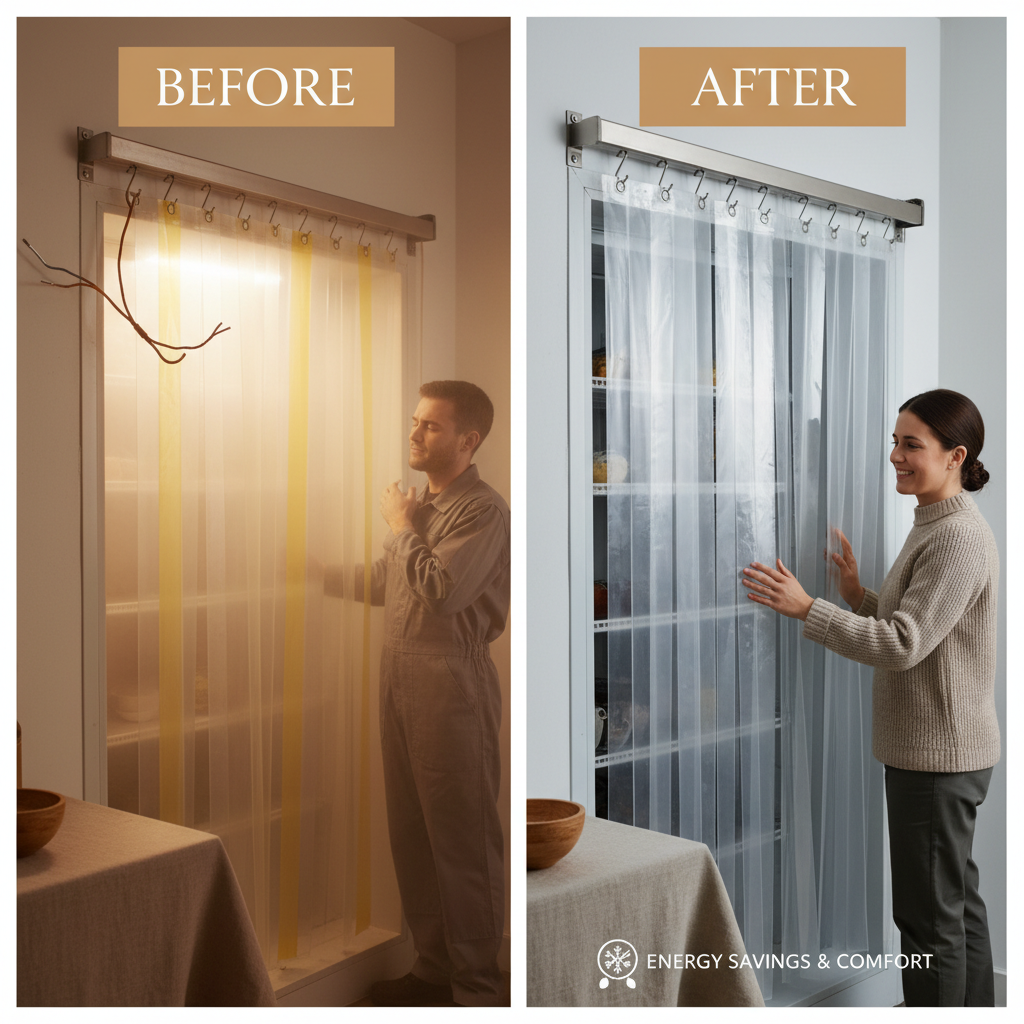
Why You Need a Cortina de Plástico para Puerta del Congelador
Freezer door curtains are designed to create a thermal barrier, minimizing the exchange of air between the freezer interior and the surrounding environment. This is particularly important in commercial settings where freezers are frequently opened and closed. Without a curtain, warm, moist air enters the freezer, leading to increased ice formation, higher energy consumption, and potential food spoilage. A quality freezer door curtain significantly reduces these issues, resulting in a more efficient and cost-effective operation. Furthermore, it can help maintain consistent freezer temperatures, which is vital for preserving food quality and safety.
Key Benefits: Reduces energy consumption, minimizes ice buildup, maintains consistent temperature, prevents food spoilage, and improves freezer efficiency.
Types of Cortina de Plástico para Puerta del Congelador
Freezer door curtains come in several variations, each designed to suit specific needs and freezer sizes. The most common types include strip curtains made from PVC (polyvinyl chloride) and polyethylene. PVC curtains are known for their durability and resistance to cold temperatures, making them ideal for heavy-duty applications. Polyethylene curtains are more flexible and lightweight, offering a cost-effective solution for lighter use. Additionally, you'll find curtains with varying widths and lengths to accommodate different freezer door dimensions. Some curtains are also available with weighted bottoms to ensure they stay in place and effectively seal the opening. lfwanmao offers a diverse range to match your specifications.
Choosing the Right Material:
• PVC: Durable, cold-resistant, ideal for high-traffic areas.
• Polyethylene: Flexible, lightweight, cost-effective for lighter use.
• Weighted Bottoms: Ensure a secure seal and prevent curtains from shifting.
Cortina de Plástico para Puerta del Congelador: PVC vs. Polyethylene
Selecting between PVC and polyethylene depends on your specific needs and budget. PVC is generally more expensive but offers superior durability and a longer lifespan, particularly in demanding environments. It resists cracking and tearing, even with frequent use. Polyethylene is a more affordable option, suitable for freezers with less traffic. However, it’s less resilient to wear and tear. Here’s a comparison:
Installation and Maintenance Tips
Installing a freezer door curtain is generally straightforward. Most curtains come with pre-attached mounting strips that adhere to the freezer door frame. Ensure the surface is clean and dry before applying the strips. Regular maintenance is crucial to prolong the curtain’s lifespan. Clean the curtain regularly with mild soap and water to remove dirt and grime. Avoid using abrasive cleaners that could damage the material. Inspect the curtain periodically for tears or damage, and replace it if necessary. Proper care will ensure your cortina de plástico para puerta del congelador continues to perform effectively.
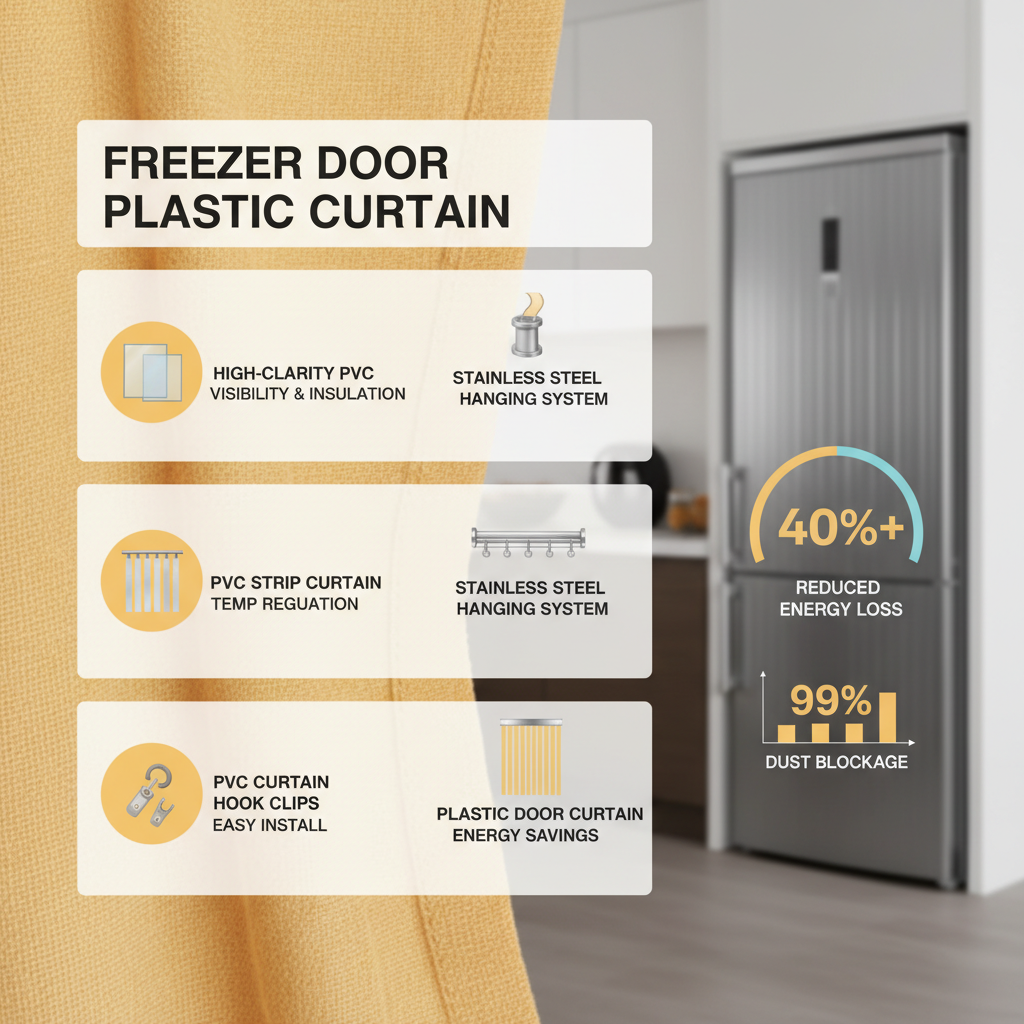
Product Specifications & Sizes Available
We offer a wide range of freezer door curtains to suit all your requirements. Here are some common sizes:
Conclusion: Maximize Freezer Efficiency with a Quality Curtain
Investing in a cortina de plástico para puerta del congelador is a simple yet effective way to improve your freezer’s performance, reduce energy costs, and protect your valuable inventory. By choosing the right material and ensuring proper installation and maintenance, you can enjoy significant savings and peace of mind. Explore our wide selection at lfwanmao today!
Frequently Asked Questions (FAQs)
How often should I replace my freezer door curtain?
The replacement frequency depends on the material and usage. PVC curtains typically last longer, around 5-7 years, while polyethylene curtains may need replacing every 2-3 years. Regularly inspect the curtain for tears, cracks, or significant wear and tear. If the curtain is damaged or no longer providing an effective seal, it’s time to replace it. Ignoring damage can lead to increased energy costs and potential food spoilage.
Can I cut the curtain to fit my freezer door?
Yes, most freezer door curtains can be cut to size. However, it's crucial to use a sharp utility knife or scissors to ensure a clean cut. Measure carefully and consider leaving a slight overlap for a better seal. After cutting, you may need to re-apply the mounting strips or use additional adhesive to secure the curtain in place. Always consult the manufacturer's instructions for specific recommendations.
Are freezer door curtains easy to clean?
Yes, freezer door curtains are relatively easy to clean. Simply wipe them down with a damp cloth and mild soap. Avoid using abrasive cleaners or solvents, as they can damage the material. For stubborn dirt or grime, you can use a soft brush. Rinse thoroughly with water and allow the curtain to air dry completely before reinstalling.
Do freezer door curtains affect visibility into the freezer?
Freezer door curtains are designed to be transparent or translucent, allowing for good visibility into the freezer. While they may slightly reduce clarity compared to a completely open doorway, they still enable you to easily identify contents without opening the door fully. This helps maintain the freezer's temperature and reduces energy loss.
-
Industrial Guide to Durable Cortinas de Tiras Resistentes BarriersNewsApr.16,2026
-
Energy Efficiency Guide for Installing cortinas de franja de aireNewsApr.09,2026
-
Comprehensive Guide to Freezer Door Curtains cortina de plástico para puerta del congeladorNewsApr.07,2026
-
Comprehensive Guide to Flexible PVC Film Rolls and Their Diverse ApplicationsNewsApr.04,2026
-
Optimizing Cold Storage Efficiency with Plastic Freezer Curtain SolutionsNewsMar.31,2026
-
Comprehensive Guide to Puertas de Cortina de Tiras for Industrial and Commercial UseNewsMar.28,2026